Best Bourbon for Beginners: Where to Start Your Journey
Seven approachable bourbons for anyone new to the spirit. These expressions reward curiosity without overwhelming the palate.
On This Page
Got a tip? Know about an upcoming release, a shelf find, or industry news worth covering? Send it our way. We read every submission.
Bourbon is complex. That is part of what makes it worth drinking. But the entry point does not have to be a wall of oak and ethanol. These bottles balance character with approachability, giving your palate something real to work with on the first sip.
Think of these as your first vocabulary. Once you know what you like here, every future bottle will be easier to understand.
Track these bottles in your cellar
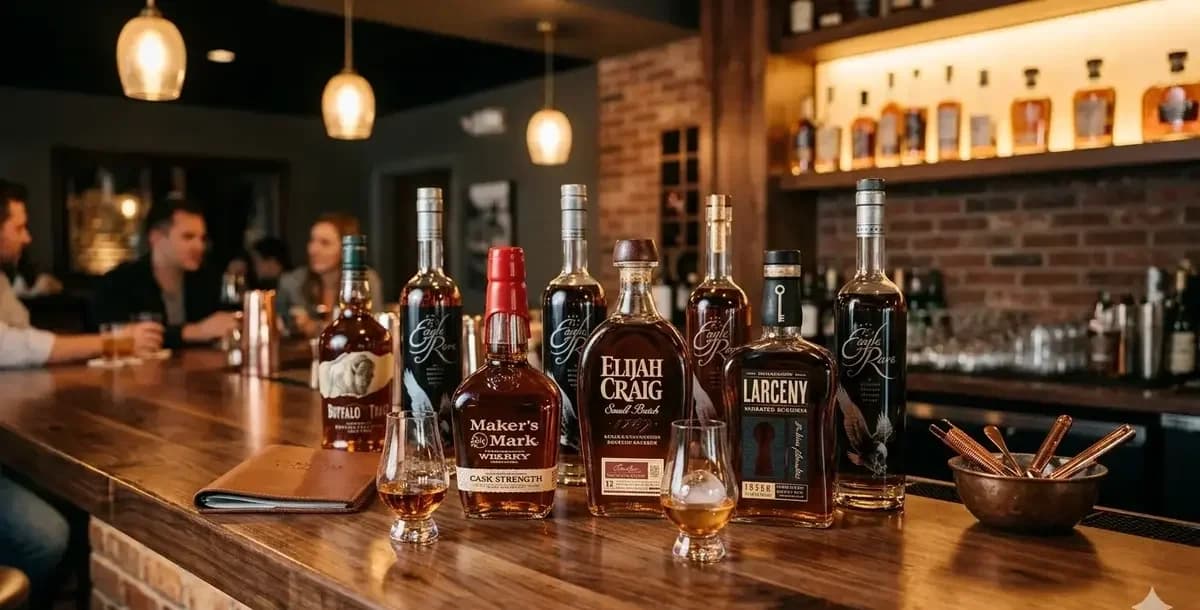
Join Digital DramWhat Makes a Bourbon Approachable
A few things tend to make bourbon easier to enjoy early on:
- Proof matters. Bottles in the 80-92 proof range carry less alcohol heat, which lets flavor come through more clearly when your palate is still adjusting.
- Wheated mash bills swap rye for wheat as the secondary grain, which often produces a softer, rounder profile with more caramel and less spice.
- Balance over intensity. The best beginner bourbons are not bland -- they simply distribute their flavors evenly, so no single note (oak, spice, sweetness) dominates.
Mash Bill
The recipe of grains used to make bourbon. All bourbon starts with at least 51% corn. The remaining grains -- typically rye, wheat, and malted barley -- shape the flavor profile. A "wheated" bourbon uses wheat where most use rye, producing a gentler character.
The Bottles
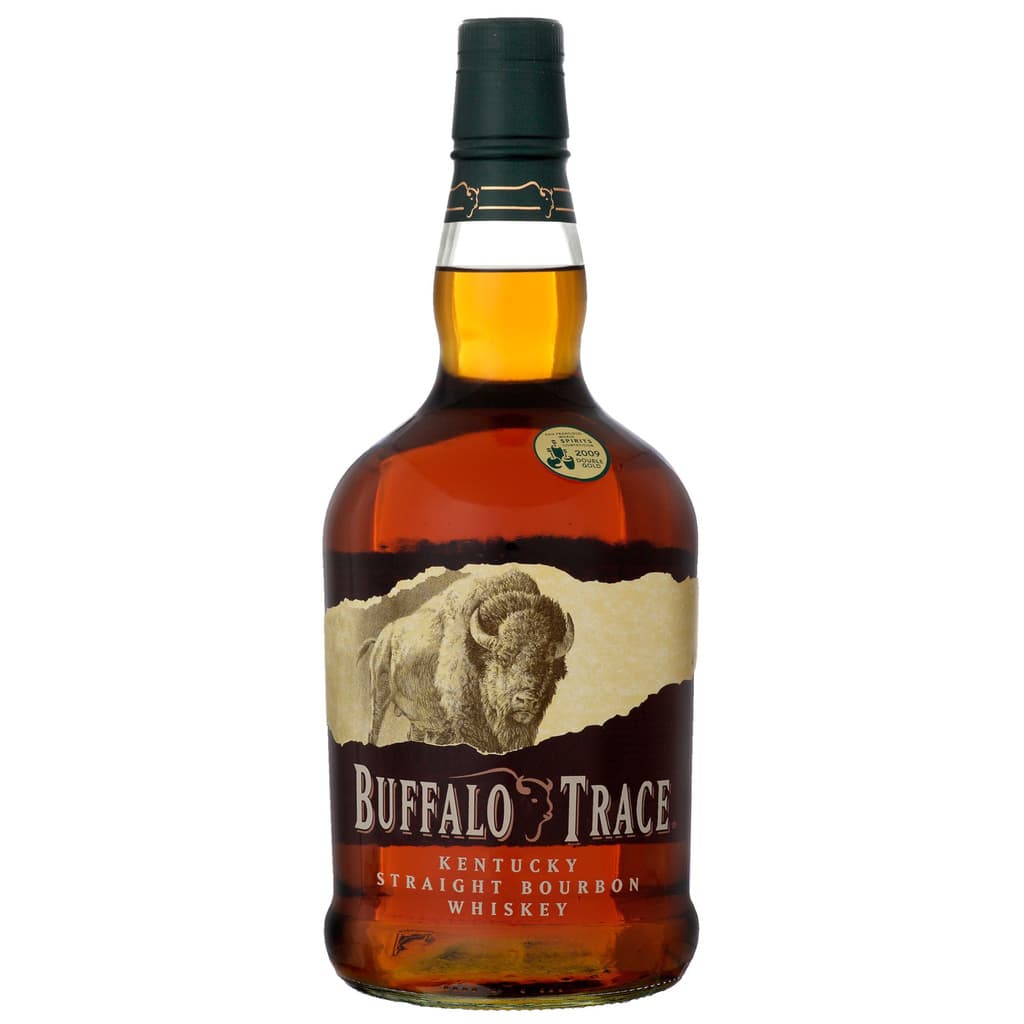
Buffalo Trace
Suits: First bourbon, daily sipper
If there is a single bottle that appears on nearly every beginner list, this is it -- and for good reason. The profile is clean and welcoming: vanilla, light caramel, a hint of stone fruit. It does not challenge the palate so much as invite it in, and it remains satisfying long after you have moved on to bigger pours.
Explore in Digital Dram catalog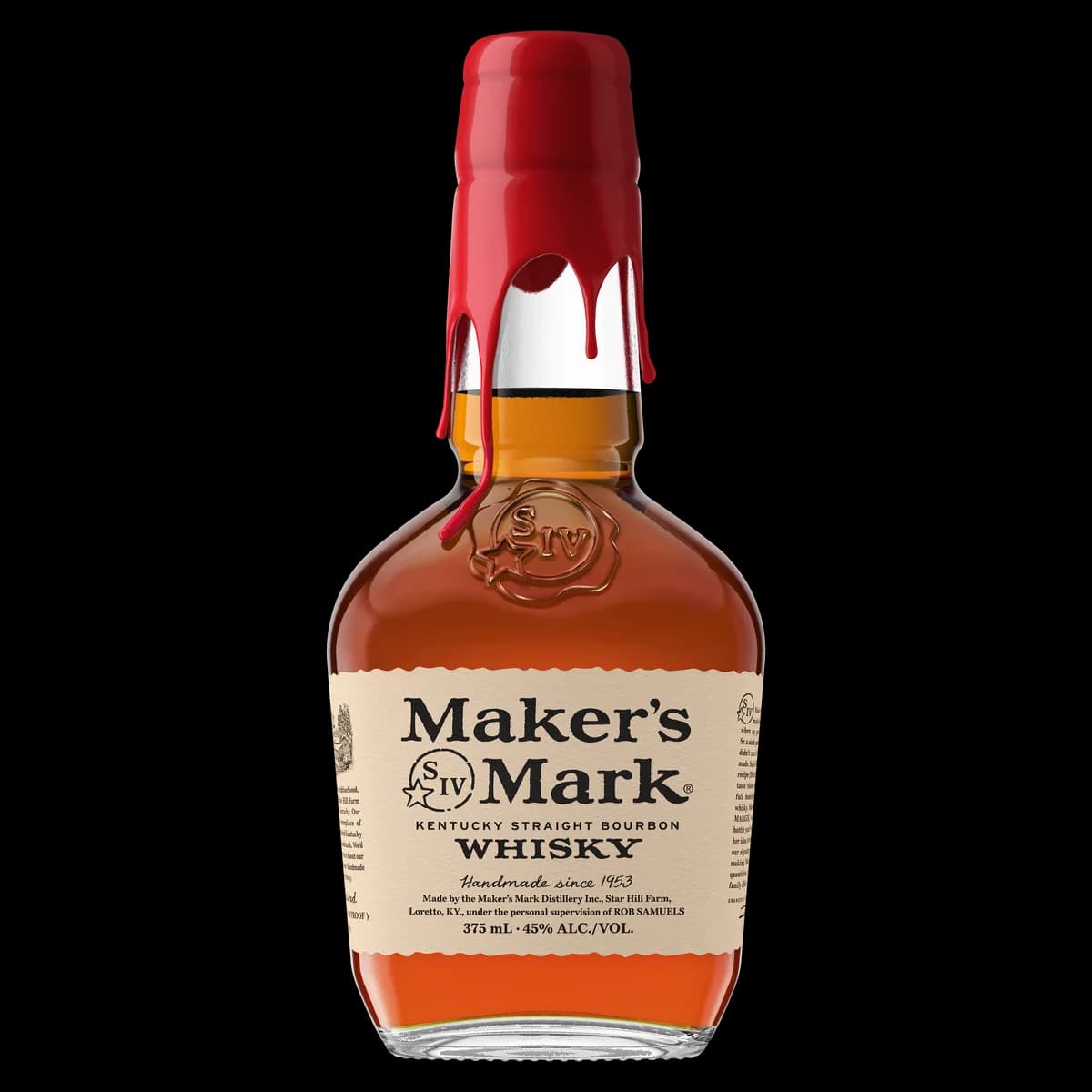
Maker's Mark
Suits: Neat sipping, introducing friends to bourbon
The wheat in Maker's Mark mash bill gives it a distinctly soft, almost velvety quality. Baked bread, honey, and gentle oak form the core, with virtually no sharp edges. It is an ideal starting point for anyone who finds rye-forward bourbons too assertive.
Explore in Digital Dram catalog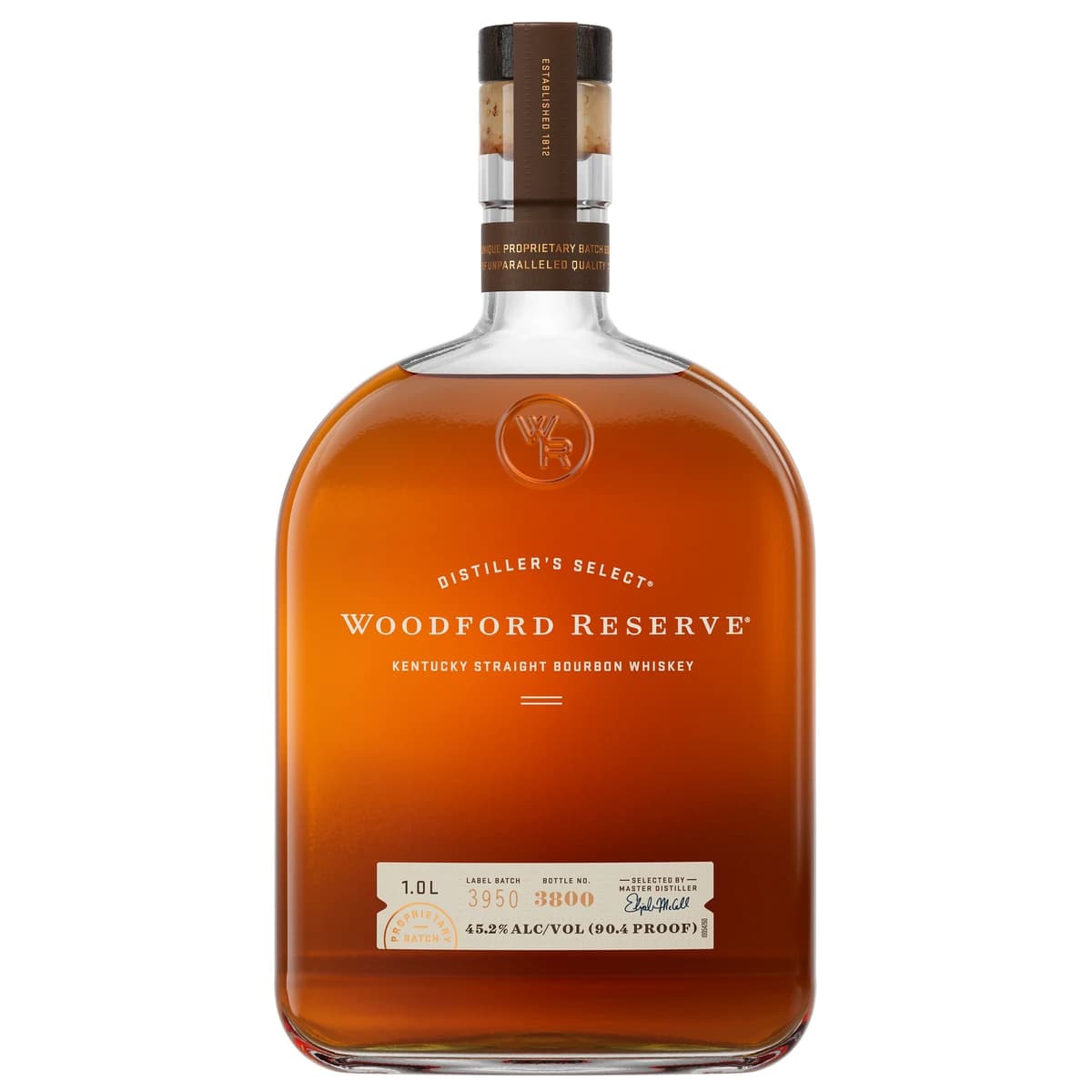
Woodford Reserve
Suits: Neat sipping, gift bottle
Woodford Reserve carries itself with a certain polish. The profile leans into dried fruit, chocolate, and toasted oak with a balanced finish. It is widely available, consistently made, and the kind of bottle that looks as good on a shelf as it tastes in a glass -- a strong choice for a first bourbon purchase.
Explore in Digital Dram catalogFour Roses Small Batch
Suits: Exploring flavor complexity, light sipping
Four Roses blends multiple bourbon recipes into their Small Batch, and the result is a layered, floral pour that reveals something new each time you revisit it. Honey, ripe pear, and a whisper of spice make it approachable, while the finish hints at the complexity waiting in their Single Barrel expression.
Explore in Digital Dram catalogBuild Your Bourbon DNA
Rate bottles, track your cellar, and discover expressions matched to your palate.
Create Free Profile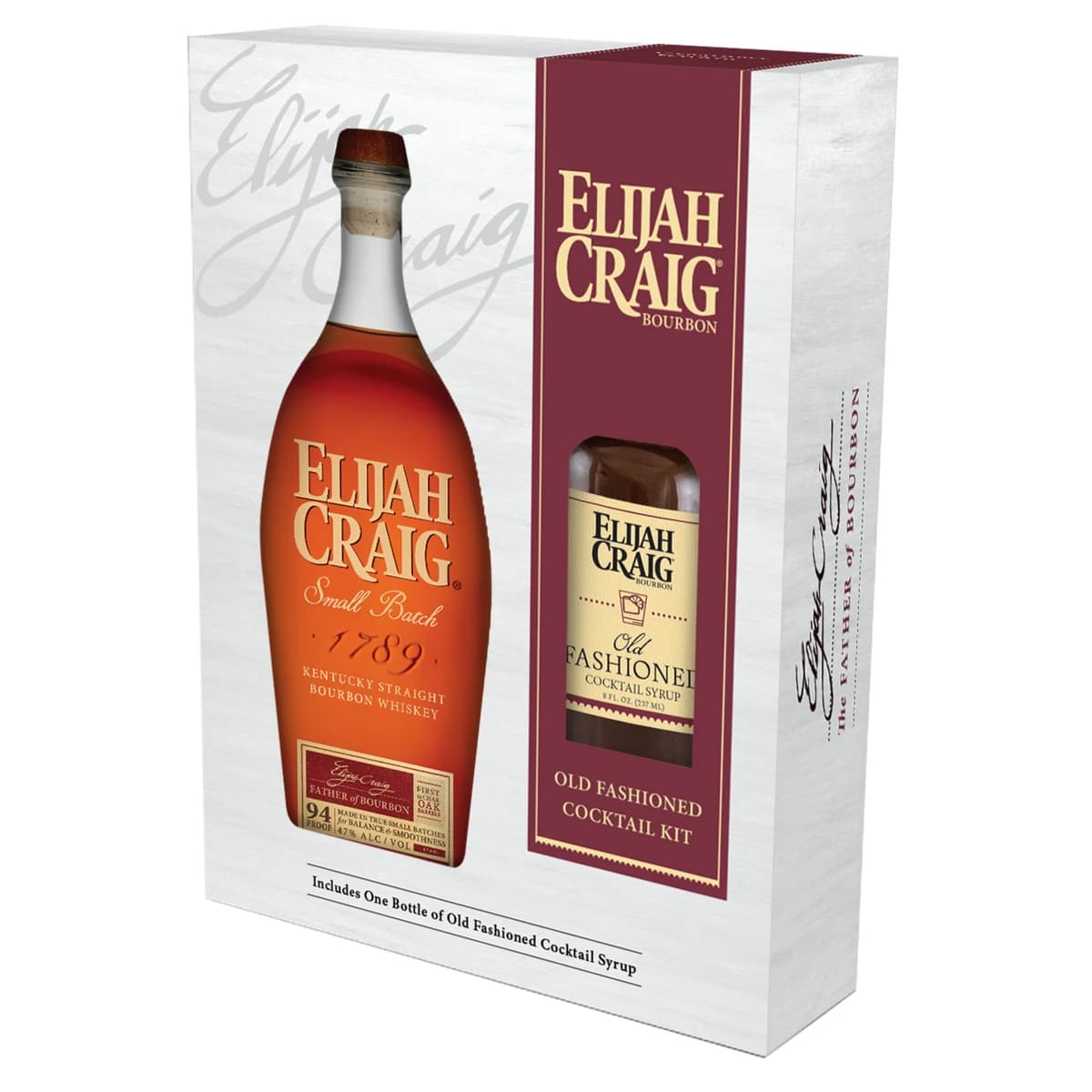
Elijah Craig Small Batch
Suits: Stepping up from entry-level, exploring oak
At 94 proof, Elijah Craig sits right at the boundary between beginner-friendly and something with more weight. Caramel, vanilla, and toasted oak are the anchors, with enough depth to keep things interesting as your palate matures. It is a natural next step once lighter pours start to feel too simple.
Explore in Digital Dram catalog
Eagle Rare 10 Year
Suits: Exploring what age brings, special-occasion pour
Ten years of aging gives Eagle Rare a richness that most entry-level bourbons cannot match -- toffee, dark cherry, leather, and a long, satisfying finish. At 90 proof, it remains gentle enough for a newer palate, but the complexity here rewards close attention. When you find a bottle, it is worth savoring.
Explore in Digital Dram catalog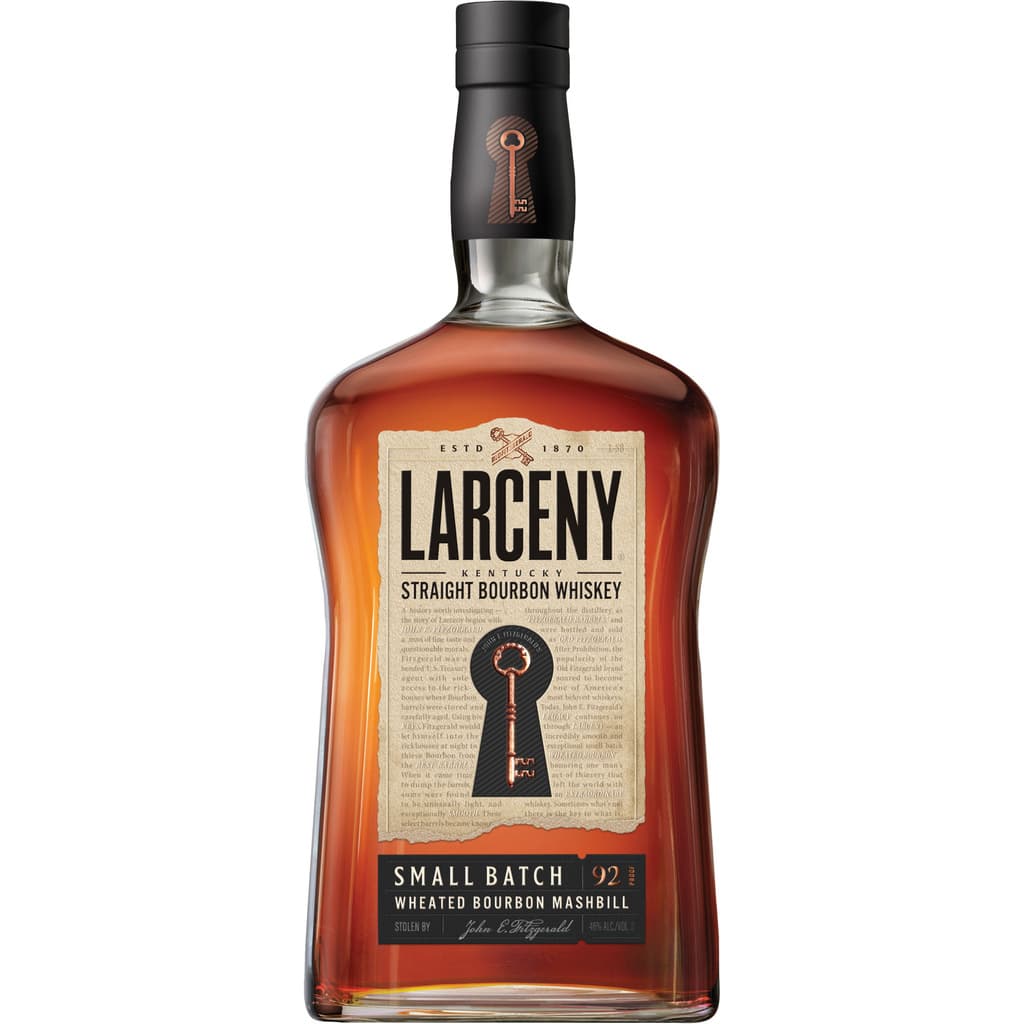
Larceny Small Batch
Suits: Wheated bourbon exploration, easy sipping
If Maker's Mark is the gentle introduction to wheated bourbon, Larceny is where you start to see what the style can do with a bit more structure. Butterscotch, bread pudding, and a touch of honey carry a smooth, medium-length finish. It is a comfortable pour that still has enough personality to be interesting.
Explore in Digital Dram catalogHow to Develop Your Palate
Getting better at tasting bourbon is less about following rules and more about paying attention. A few practices that help:
Taste Side by Side
Pour two different bourbons and go back and forth between them. Comparison sharpens your ability to identify individual notes. Start with a wheated bourbon alongside a rye-forward one -- the contrast is immediately apparent.
Add Water Gradually
A few drops of water can transform a pour. It opens up aromas and softens alcohol heat, revealing flavors that were hidden at full strength. Experiment with different amounts to find what works for each bottle.
Take Notes
Even brief ones. "More vanilla than the last bottle" or "spicier finish than expected" is enough. Over time, these observations build a personal reference that makes every new bottle easier to place.
Your palate is personal
There is no wrong answer when it comes to what you enjoy. Some people gravitate toward sweet, wheated profiles immediately. Others prefer the structure of a high-rye mash bill from the start. Trust your own experience -- it is the only one that matters.
Keep a Record
Tracking what you have tasted, what you liked, and what surprised you creates a map of your preferences. That map becomes invaluable when you are standing in front of a shelf full of unfamiliar bottles. Start building your collection with the bottles above and see how your Bourbon DNA takes shape.
Find Your Next Pour
Digital Dram helps you discover bourbon matched to what you already enjoy. Rate, track, and explore.
Join FreeMore in Guides

The Ultimate Bourbon Heritage Month Flight: 30 Days, 30 Drams
The full 30-bottle lineup for our Bourbon Heritage Month flight: one pour a day through September, from $20 bottled-in-bond workhorses to the fall unicorns, with four blind tasting weekends along the way.

Best Coastal Sipping Whiskeys for The Open
American whiskeys that match the coastal rhythm of links golf. Single malts and coastal-climate bourbons with real maritime provenance.
Bourbon vs Scotch: The Open Championship Debate
The Open is Scotch country, but the bourbon case is stronger than most golf fans realize. A side-by-side breakdown for links golf weekend.