The Bourbon Drinker's Guide to Mindful Mixing
Better bourbon in smaller pours, bitters-forward drinks, and low-sugar mixers. Three recipes for January that respect both the spirit and the drinker.
On This Page
Got a tip? Know about an upcoming release, a shelf find, or industry news worth covering? Send it our way. We read every submission.
January arrives and suddenly every cocktail blog pivots to mocktails. There is a middle ground worth occupying: drinks built with intention, where the bourbon is the point and everything around it is stripped to what actually contributes.
Mindful mixing is not about deprivation. It is about removing the noise. Most cocktail sweeteners exist to mask cheap spirits. When the bourbon is good enough to carry the drink, you need less of everything else.
Three recipes follow. Each one cuts sugar, reduces volume, or both. None of them taste like a compromise.
The Quality Highball
A highball is only as good as its two ingredients. This is the drink that punishes corner-cutting the hardest.
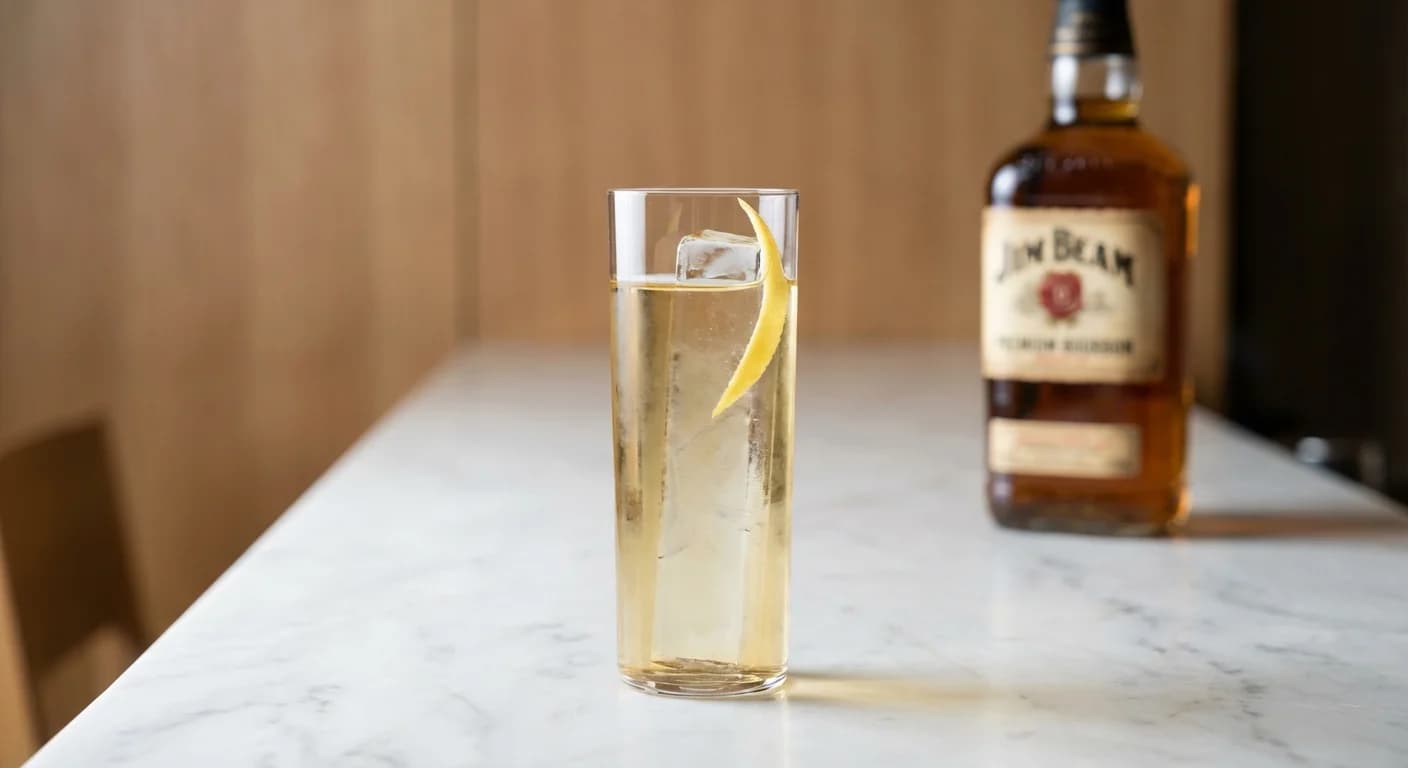
Use a bourbon with enough character to push through carbonation. Wild Turkey 101 or Evan Williams Bottled-in-Bond are the right call here. Anything below 90 proof gets swallowed by the tonic. Skip flavored tonics; a quality Indian tonic water (Fever-Tree, Q Tonic) has enough botanical complexity on its own.
| Ingredient | Amount |
|---|---|
| Bourbon (100 proof) | 1.5 oz |
| Quality tonic water | 4 oz |
| Fresh lemon twist | 1 |
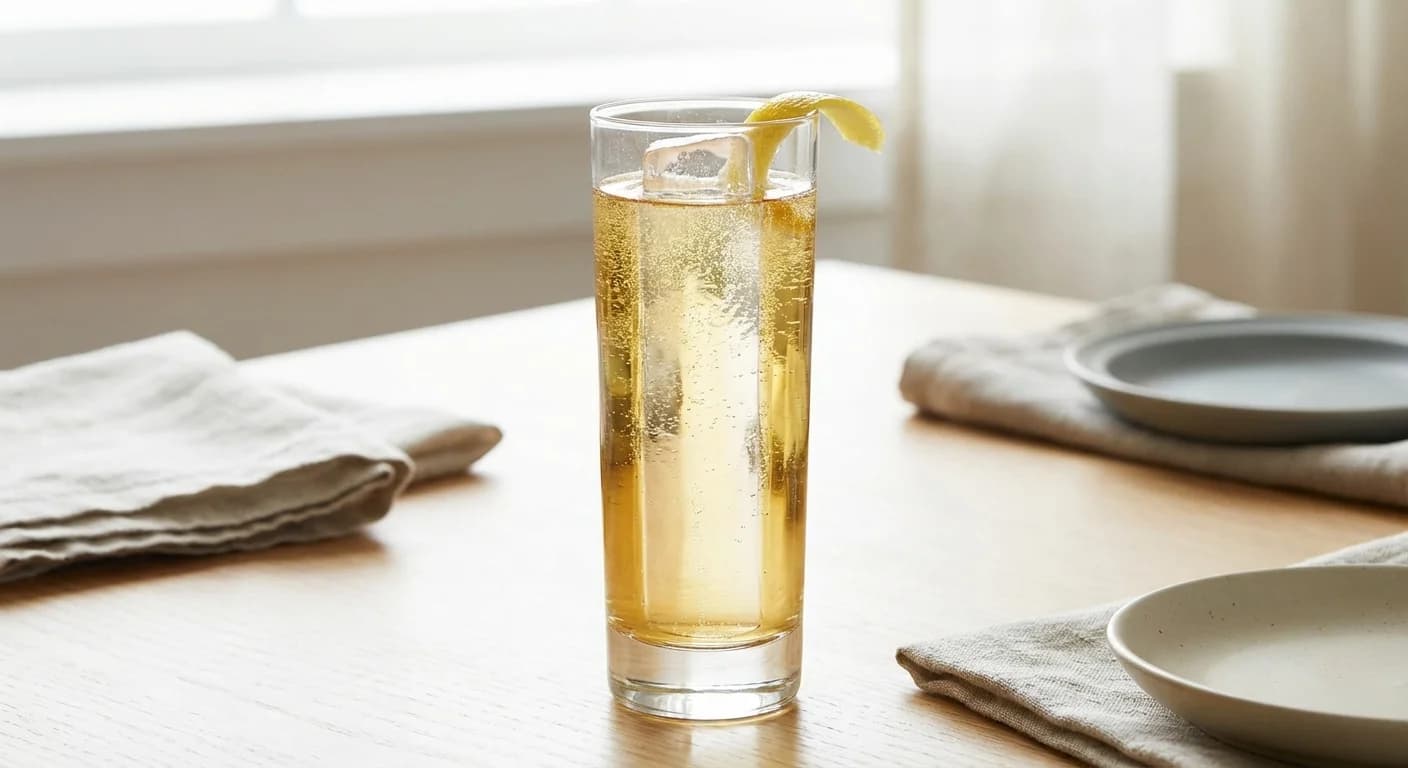
Build in a chilled highball glass over ice. Pour bourbon first, then tonic slowly down the side to preserve carbonation. Express the lemon twist over the surface and drop it in.
The ratio matters more than the recipe. Start at 1:2.5 (bourbon to tonic) and adjust by a half-ounce in either direction until you find the balance that works for your palate. Tonic is not soda water; it has its own bitterness and sweetness, so a lighter hand keeps this from tipping into something cloying.
Track what you pour and how it sits with your palate
Join Digital DramBitters and Bourbon Spritz
This drink barely qualifies as a cocktail, and that is the appeal. The bourbon acts as a rinse, not a base, while aromatic bitters do the heavy lifting.
- 0.5 oz bourbon (any style you enjoy neat)
- 4 dashes Angostura bitters
- 2 dashes orange bitters
- 4 oz chilled soda water
- Garnish: orange wheel
Rinse a rocks glass with the bourbon, swirling to coat the inside. Add bitters, then ice, then soda water. Stir gently, twice. Garnish with the orange wheel.
At roughly 30 calories, this lands somewhere between a cocktail and a flavored sparkling water. The bourbon rinse gives it enough warmth to feel like a real drink. Four or five dashes of bitters sounds like a lot, but bitters are concentrated; the volume is negligible, and the flavor is the whole point.
One caveat: not all bitters are created equal. Angostura works because its spice profile leans into bourbon's natural character. Peychaud's shifts the drink toward anise, which some drinkers find jarring without sugar to bridge the gap.
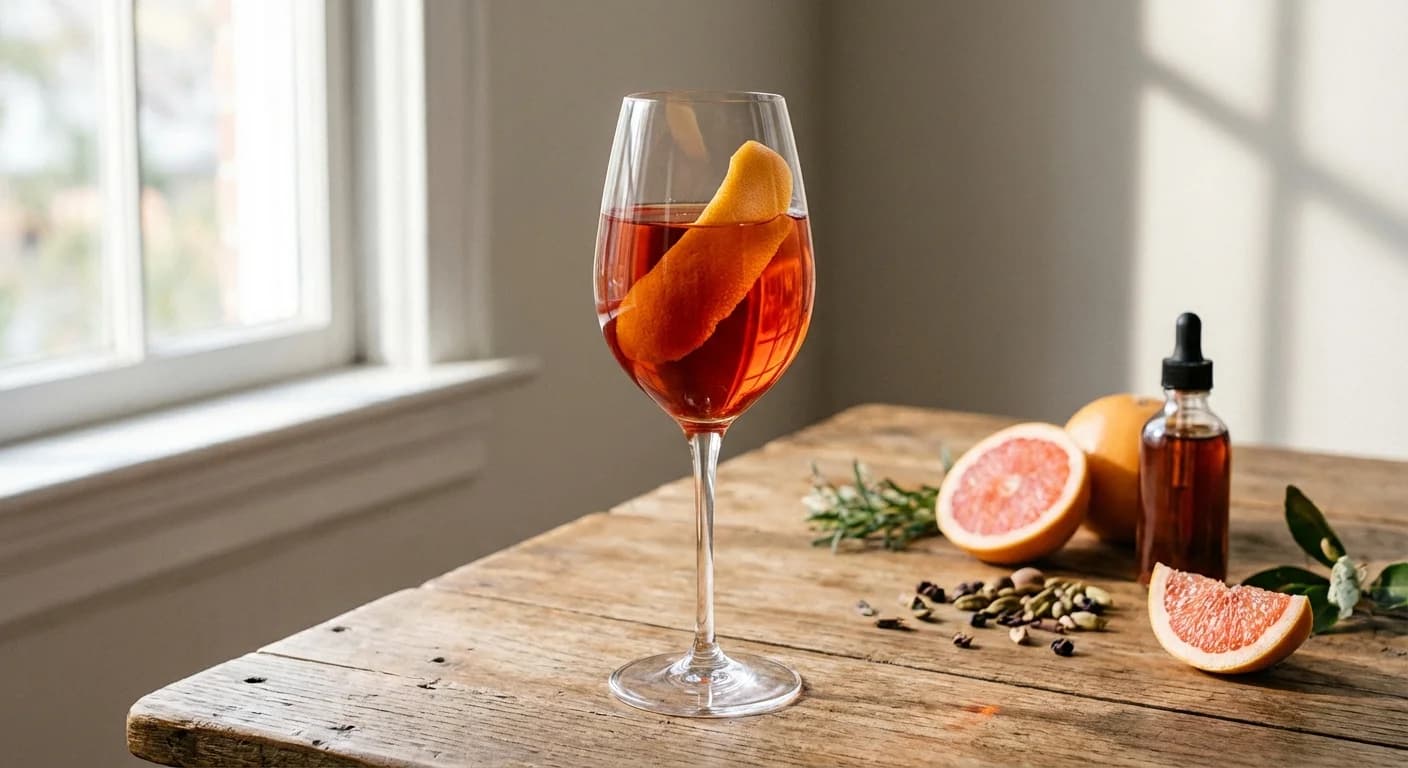
The Half-Pour Old Fashioned
The Old Fashioned is already a minimalist drink. This version cuts the pour in half and adjusts the ratios so nothing feels thin.
- 1 oz bourbon (barrel proof or bottled-in-bond)
- 0.25 oz demerara syrup (2:1 sugar to water)
- 3 dashes Angostura bitters
- Garnish: orange peel
Stir with ice in a mixing glass for 20-25 seconds. Strain over a single large cube. Express the orange peel and rest it on the rim.
The key is using a higher-proof bourbon to compensate for the smaller pour. At 1 oz of a 115-proof bourbon, you get roughly the same alcohol as 1.5 oz of an 80-proof pour, but the flavor concentration is dramatically higher. Old Forester 1920 or Rare Breed both have enough body to fill out this format.
Demerara syrup instead of simple syrup matters here. The darker, more complex sugar adds perceived richness that helps a one-ounce pour feel like two. Standard white sugar simple syrup makes the drink taste diluted.
A Word About Counting
Low-sugar mixers and half-pours reduce calories per drink. They do not reduce alcohol's effect on your body. A well-made cocktail with quality bourbon can make it easy to lose count precisely because it tastes so balanced.
The most effective mindful drinking habit is not a recipe adjustment. It is knowing your number before you start and tracking what you pour. Log your pours in your collection to build an honest record over time. A Dry January that becomes a Damp January that becomes a more intentional February is a better outcome than white-knuckling through 31 days and returning to old habits on the first.
Log pours and build a record of what you enjoy
Join Digital Dram