The Bourbon Flavor Wheel: A Guide to Tasting Notes
Learn how to use the bourbon flavor wheel to identify tasting notes. Covers sweet, spice, fruit, oak, grain, and floral categories with practical examples.
On This Page
Got a tip? Know about an upcoming release, a shelf find, or industry news worth covering? Send it our way. We read every submission.
Tasting notes can feel like a foreign language. "Dried stone fruit with baking spice and a leather finish" reads like it was written for someone else. That changes once you start using a framework that connects those words to actual sensations on your palate.
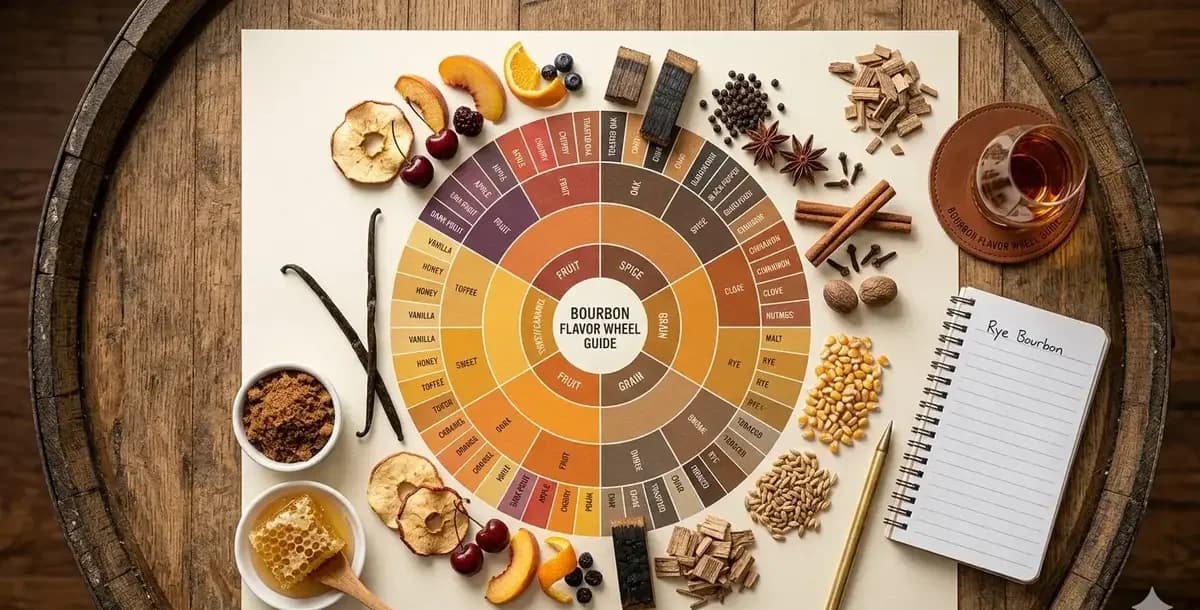
That is what the bourbon flavor wheel does. It takes the full spectrum of what bourbon can taste like and organizes it into categories you can navigate, starting broad and moving toward specifics. It does not tell you what to taste. It gives you a vocabulary for what you already notice.
Track these bottles in your cellar
Join Digital DramHow the Flavor Wheel Works
The wheel is organized in concentric rings. At the center are broad categories: sweet, spice, fruit, wood, grain, floral. Move outward and each category breaks into more specific descriptors. "Sweet" becomes caramel, vanilla, honey, butterscotch, brown sugar, maple. "Spice" becomes cinnamon, black pepper, clove, nutmeg.
You do not need to memorize it. The wheel works as a reference, something to glance at while tasting, a way to put a name to that familiar-but-hard-to-describe sensation on the back of your tongue.
Tasting Note vs. Ingredient
When someone says a bourbon has "notes of vanilla," they do not mean vanilla was added. These flavors emerge from fermentation, distillation, and barrel aging. Vanillin, for instance, is a compound naturally present in oak wood that leaches into the bourbon during years of barrel contact.
The Six Major Flavor Categories
Sweet
Sweetness is the backbone of most bourbon. Federal law requires a minimum 51% corn in the mash bill, and corn is a naturally sweet grain. Barrel aging amplifies this. Charred oak caramelizes sugars and introduces compounds that register as dessert-like flavors.
Sweet Notes to Look For
Caramel. The most common bourbon descriptor. Rich, cooked sugar that comes from charred oak interaction. Present in nearly every bourbon to some degree.
Vanilla. Second to caramel in prevalence. Vanillin compounds extract from oak during aging. Often more prominent in longer-aged expressions.
Honey. Lighter and more floral than caramel. Common in wheated bourbons and lower-proof expressions.
Butterscotch. A richer, more buttery sweetness. Often appears in bourbons with longer barrel contact.
Brown Sugar. Darker and more molasses-adjacent than honey. Look for it in bourbons with heavier char levels.
Maple. Sweet with a slight woodsy quality. Can emerge in bourbons aged in the upper floors of rickhouses where temperature swings are more extreme.
Spice
Spice in bourbon comes primarily from two sources: the rye or wheat in the mash bill, and the char on the barrel. High-rye bourbons lean heavily into this category, but even wheated bourbons carry some spice from the barrel itself.
Spice Notes to Look For
Cinnamon. Warm and sweet-spicy. One of the first spice notes most drinkers learn to identify. Prominent in high-rye bourbons.
Black Pepper. A sharper, more biting spice that often appears on the finish. Common in higher-proof expressions.
Clove. Slightly numbing, aromatic spice. Often found in bourbons with significant barrel influence.
Nutmeg. Warm and slightly sweet. Frequently grouped with "baking spice," a catch-all term for the cinnamon-nutmeg-clove combination.
Baking Spice. The collective warmth of cinnamon, nutmeg, and allspice together. If you cannot isolate individual spices, "baking spice" is a perfectly valid descriptor.
Fruit
Fruit notes in bourbon emerge from fermentation chemistry and barrel aging. Esters (compounds produced during fermentation) create fruity aromas, while time in oak can concentrate and transform these into dried fruit and cooked fruit characteristics.
Fruit Notes to Look For
Cherry. Ranges from bright maraschino to dark dried cherry. One of the more recognizable fruit notes in bourbon, especially from Buffalo Trace expressions.
Apple. Can appear as crisp green apple in younger bourbons or baked apple in aged ones.
Citrus. Orange peel and lemon zest. Often found in high-rye bourbons. Sometimes just a brightness at the edges of the palate.
Dried Fruit. Raisin, fig, date. These concentrated fruit notes develop with extended aging and are markers of maturity.
Stone Fruit. Peach, apricot, plum. More common in lighter, fruitier expressions. Apricot is a signature of Wild Turkey's distillate.
Build Your Bourbon DNA
Rate bottles, track your cellar, and discover expressions matched to your palate.
Create Free ProfileWood and Oak
Every bourbon spends time in new charred oak barrels, making wood influence universal. The degree varies. A four-year bourbon will have less oak character than a twelve-year one, but both carry the barrel's fingerprint.
Wood Notes to Look For
Charred Oak. The direct result of the barrel's charred interior. Smoky, slightly bitter, and foundational to bourbon's character.
Toasted Wood. Softer than char. Think of the difference between burnt toast and golden toast. Toasted notes lean toward warmth rather than smoke.
Cedar. Aromatic and slightly resinous. Can appear in well-aged bourbons alongside other wood notes.
Leather. Earthy and rich. A marker of extended aging. Often accompanied by tobacco leaf.
Tobacco. Dried, aromatic, not smoky. Found in older bourbons where long barrel contact has created complex wood-derived compounds.
Grain
These notes connect you to bourbon's raw materials. Different grains assert themselves differently, and learning to identify them helps you understand how mash bills shape what you taste.
Grain Notes to Look For
Corn Sweetness. The base sweetness of bourbon. In younger or higher-corn-content bourbons, this can come across as fresh corn, cornbread, or even kettle corn.
Wheat Softness. A pillowy, bread-dough quality. Wheated bourbons (Maker's Mark, Weller) showcase this: a round, gentle sweetness distinct from corn.
Rye Spice. Peppery, herbal, and slightly bitter. The grain itself contributes spice independent of barrel influence. Compare a high-rye bourbon to a wheated one to feel the difference clearly.
Malt. From malted barley, the third grain in most mash bills. Contributes a biscuity, slightly sweet character. Usually subtle in bourbon but more prominent in some craft expressions.
Floral and Herbal
The most delicate category, and often the hardest for new tasters to identify. These notes tend to appear on the nose more than the palate, and they are easily overwhelmed by stronger sweet or spice notes.
Floral and Herbal Notes to Look For
Mint. Cool and fresh. A signature of certain warehouse locations and yeast strains. Sometimes described as menthol or eucalyptus.
Eucalyptus. Related to mint but more medicinal and aromatic. Can appear in older bourbons.
Floral. Rose, honeysuckle, lavender. More common in Four Roses expressions (their yeast strains are specifically selected for floral character) and some craft bourbons.
Herbal. Grass, hay, tea leaf. Often appears in younger bourbons where grain character has not yet been fully transformed by barrel aging.
How to Use the Wheel When Tasting
Start Broad
On your first sip, do not chase specifics. Ask yourself which major categories are present. Is this bourbon primarily sweet? Is there noticeable spice? Do you detect fruit? Starting broad prevents you from overthinking.
Narrow Gradually
Once you have identified the dominant categories, see if you can get more specific. That sweetness: is it caramel or honey? That spice: is it cinnamon warmth or black pepper bite? Some pours will give you clear answers. Others will stay broad, and that is fine.
Trust Your Palate
If you taste something that is not on the wheel, it still counts. Flavor wheels are guides, not exhaustive lists. "Graham cracker" and "cream soda" are valid tasting notes even if they do not appear on any published wheel. Your experience of the bourbon is the point.
Connecting Flavors to Preference
Over time, you will notice patterns. Maybe you consistently enjoy bourbons with prominent dried fruit and oak. Maybe you gravitate toward spice-forward expressions. These patterns are your palate's signature, and they are far more useful than any score or rating for predicting what you will enjoy next.
Putting the Wheel to Work
The flavor wheel is a starting point, not a destination. Its real value emerges when you use it across multiple tastings and start connecting flavors to the bourbons that produce them. A high-rye bourbon from a specific distillery, aged a certain number of years, made with a particular yeast. Each variable shifts where on the wheel the bourbon lands.
That is the deeper pattern. Tasting notes are not just descriptions of what is in the glass. They are data points about how bourbon is made, and once you start reading them that way, every pour teaches you something. Try a blind tasting to test how well you can identify flavor categories without the label's influence.
Find Your Next Pour
Digital Dram helps you discover bourbon matched to what you already enjoy. Rate, track, and explore.
Join FreeMore in Education
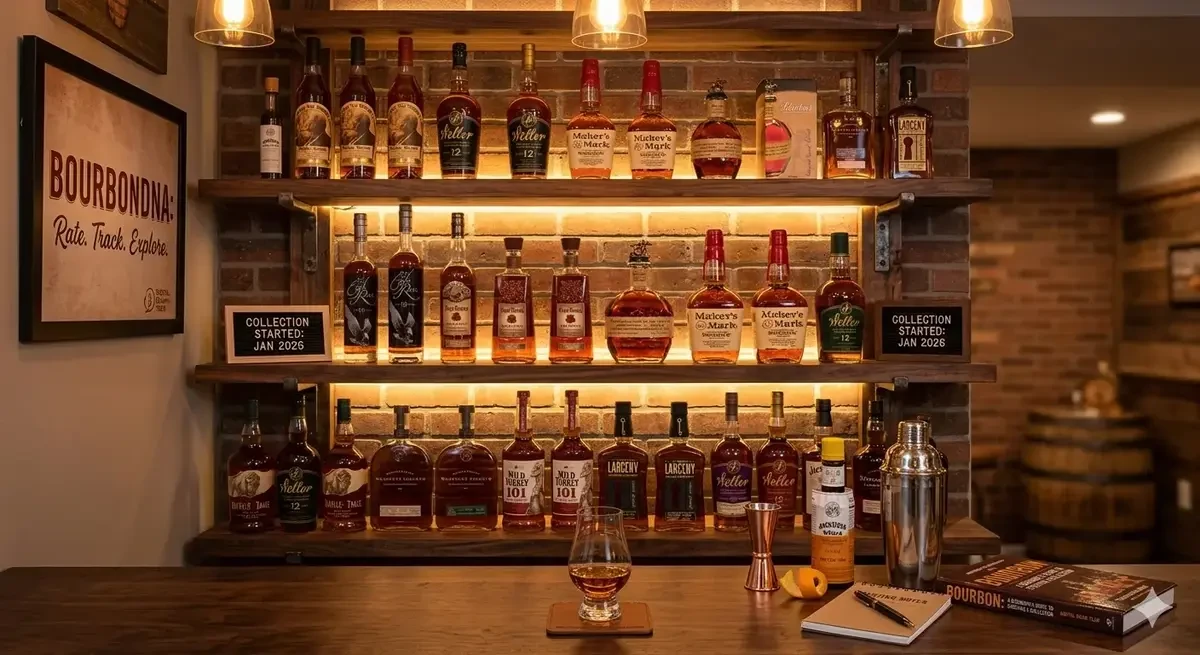
How to Start a Bourbon Collection: A Practical Guide
Build a bourbon cellar with intention. Five foundation categories, common mistakes to avoid, and why tracking what you drink changes how you buy.
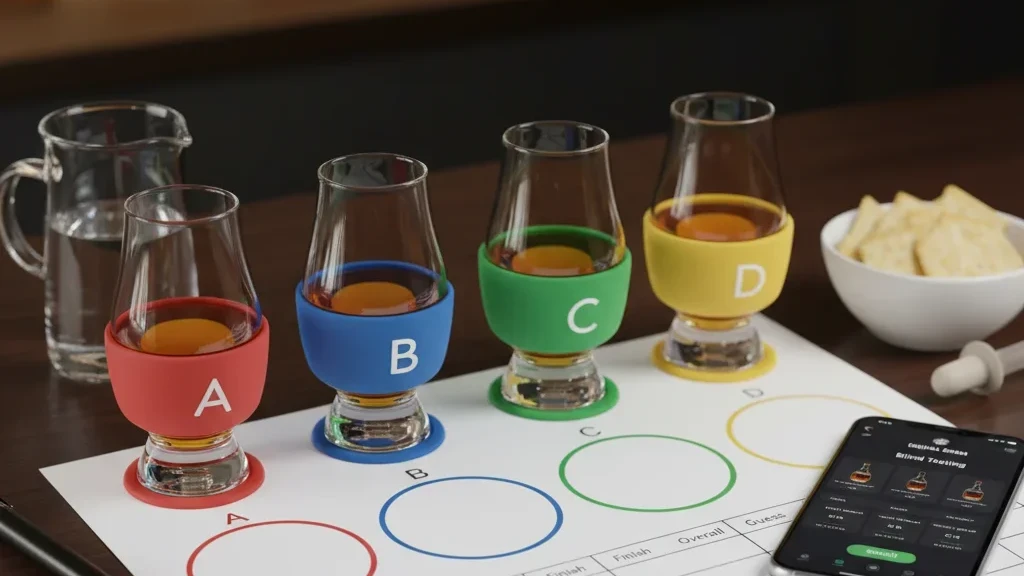
How to Host a Blind Bourbon Tasting at Home (Checklist Included)
A step-by-step guide to running a respectful, fun blind tasting: what to buy, how to pour, scorecards, and reveal rules.
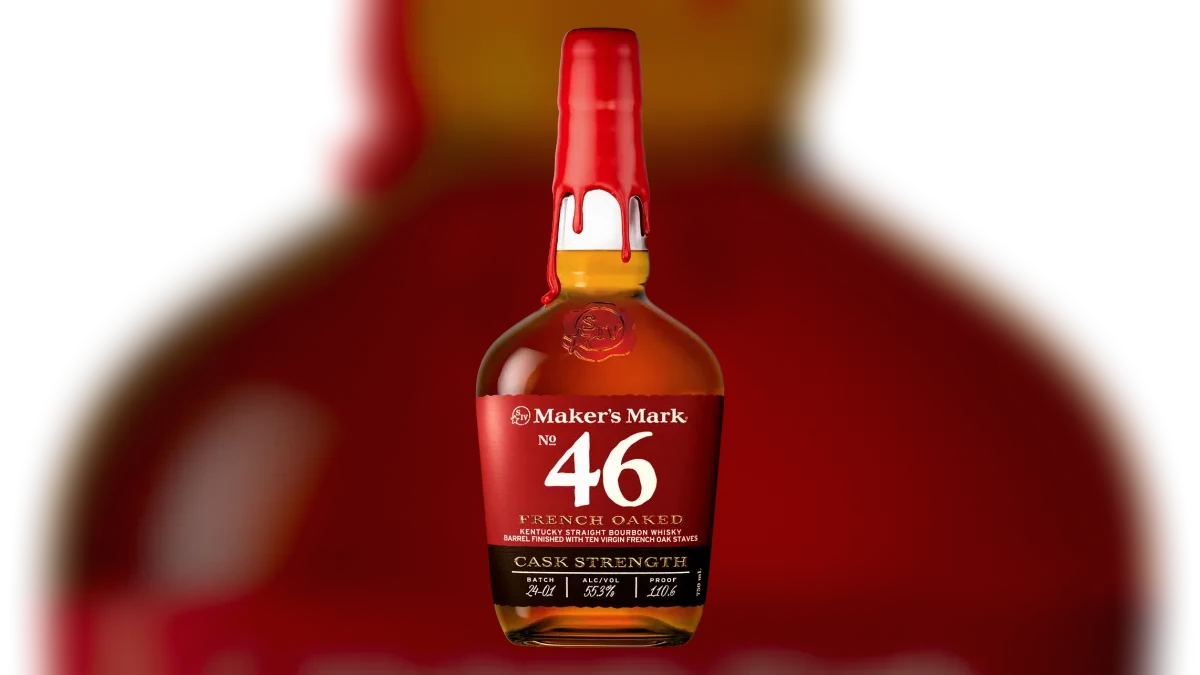
How to Read a Bourbon Label: Proof, Age, Mashbill & What Actually Matters
Decode bourbon labels in minutes. Proof vs ABV, age statements, single barrel vs small batch, and the hints that predict your flavor.