How to Start a Bourbon Collection: A Practical Guide
Build a bourbon cellar with intention. Five foundation categories, common mistakes to avoid, and why tracking what you drink changes how you buy.
On This Page
Got a tip? Know about an upcoming release, a shelf find, or industry news worth covering? Send it our way. We read every submission.
Starting a bourbon cellar is less about acquiring bottles and more about understanding what you enjoy. The most useful collection is one that reflects your palate, not someone else's ranking list.
This guide covers a practical approach: five foundation categories, specific bottles worth exploring in each, mistakes that cost time and money, and why the habit of tracking what you drink is the single most valuable thing you can do as a collector.
Track these bottles in your cellar
Join Digital DramWhy Track What You Drink
Before talking about what to buy, it is worth understanding why keeping records matters. Most bourbon drinkers have had the experience of enjoying a pour at a bar, forgetting the name, and never finding it again. Or buying a bottle based on a recommendation only to realize it is nothing like what they usually enjoy.
Tracking solves both problems. A simple log of what you have tasted, what you thought of it, and a few flavor notes creates a personal reference that gets more valuable over time. Tools like your collection in Digital Dram make this easier. Patterns emerge: maybe you consistently prefer wheated bourbons, or maybe high-rye expressions score highest in your notes. That self-knowledge turns every future purchase from a guess into an informed decision.
The pattern is the point
After 15–20 tracked bottles, most people can articulate their preferences with surprising specificity. That clarity is worth more than any single bottle on your shelf.
Building a Foundation: Five Categories
Rather than chasing specific labels, start by covering five distinct bourbon styles. This gives your palate a working frame of reference, and makes it easier to identify what you want more of.
1. Wheated Bourbon
Wheated bourbons replace rye with wheat as the secondary grain, producing a softer, sweeter profile. They tend to be approachable and smooth, with less spice and more pastry-like sweetness.
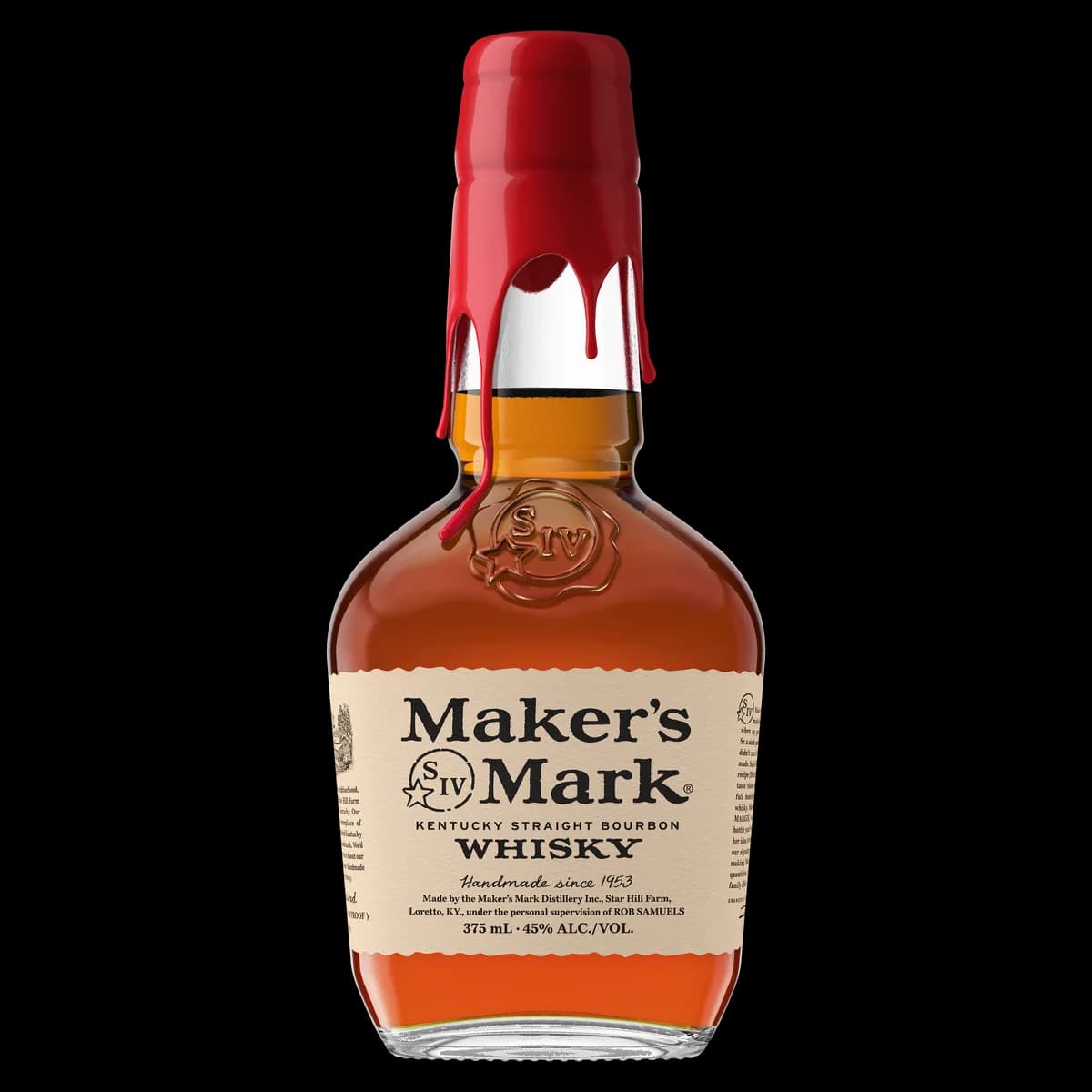
Maker's Mark
Suits: Neat sipping, Old Fashioneds
Consistent, widely available, and a textbook example of what wheat does to a bourbon profile. Baked fruit, caramel, gentle spice.
Explore in Digital Dram catalog2. High-Rye Bourbon
High-rye bourbons push the rye content above the typical range, adding spice, pepper, and a drier character. They tend to be more assertive on the palate and pair well with food.
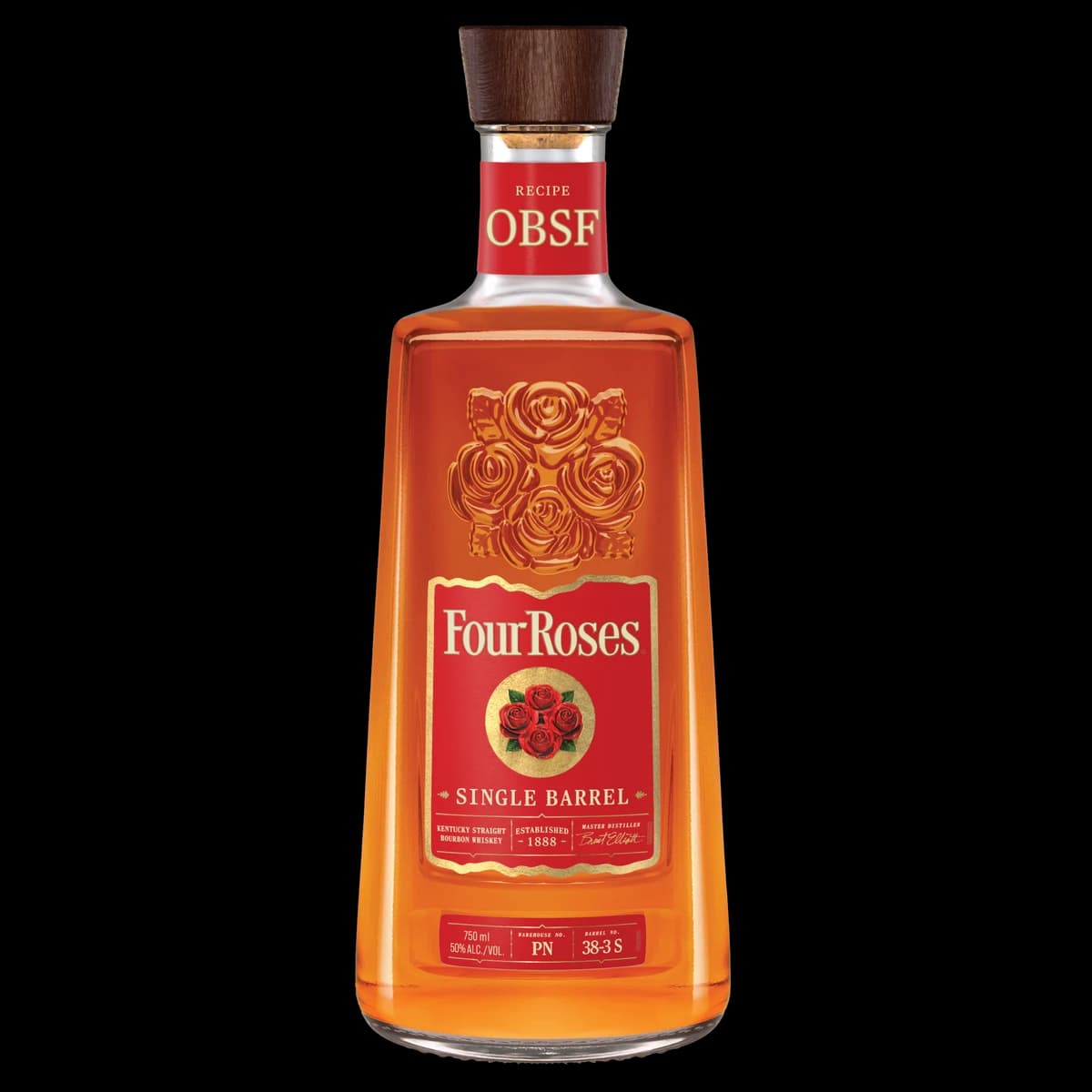
Four Roses Single Barrel
Suits: Neat, Manhattan cocktails
One of the best values in bourbon. Rich baking spice, ripe fruit, and a long finish. Each barrel varies slightly, which is part of the appeal.
Explore in Digital Dram catalog3. Traditional Mash Bill
Traditional bourbons use a moderate amount of rye, enough for structure and spice without dominating the profile. This is the center of the bourbon spectrum and often where new drinkers feel most at home.
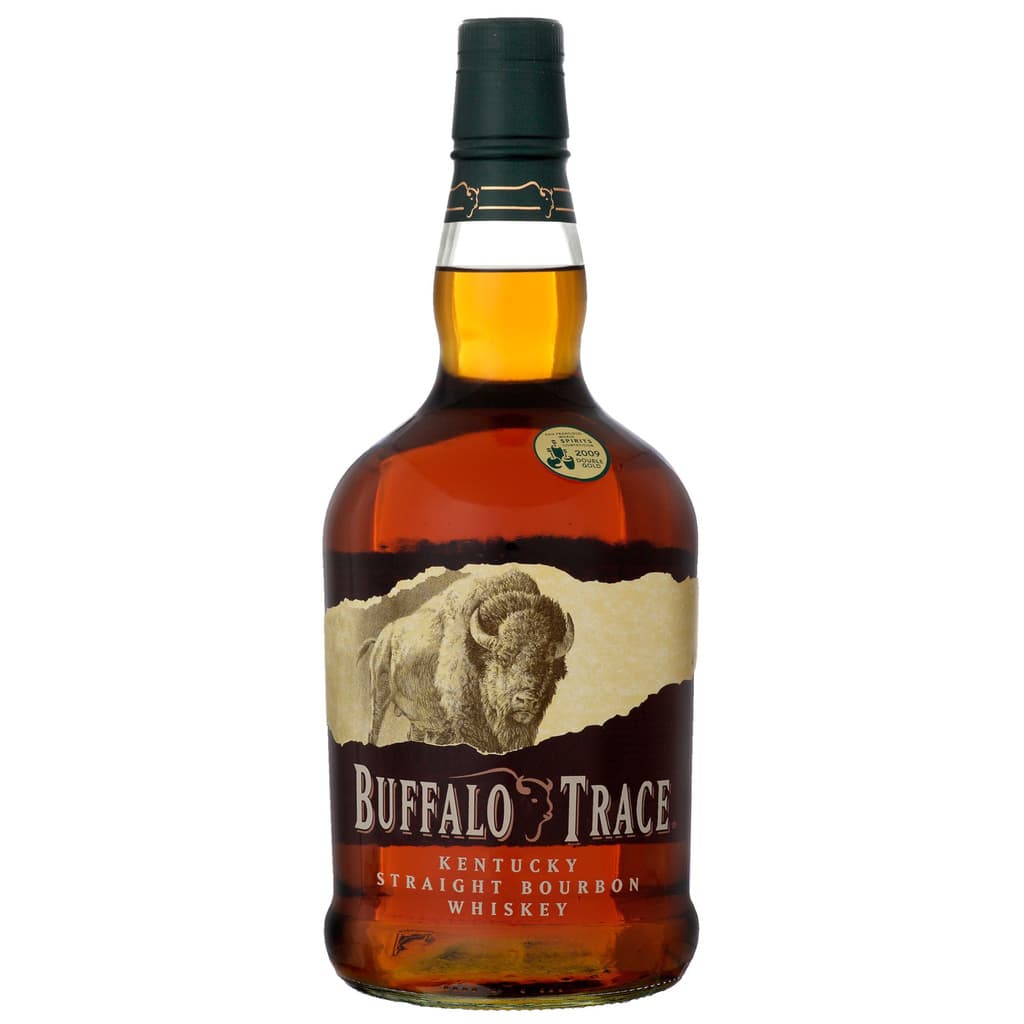
Buffalo Trace
Suits: Everything: neat, ice, cocktails
The flagship expression from one of bourbon's most storied distilleries. Caramel, vanilla, a touch of fruit. Versatile and well-balanced.
Explore in Digital Dram catalogBuild Your Bourbon DNA
Rate bottles, track your cellar, and discover expressions matched to your palate.
Create Free Profile4. Single Barrel
Single barrel bourbons come from one specific barrel rather than a blend of many. They tend to show more character and variation, offering a window into how much a single barrel can influence flavor.
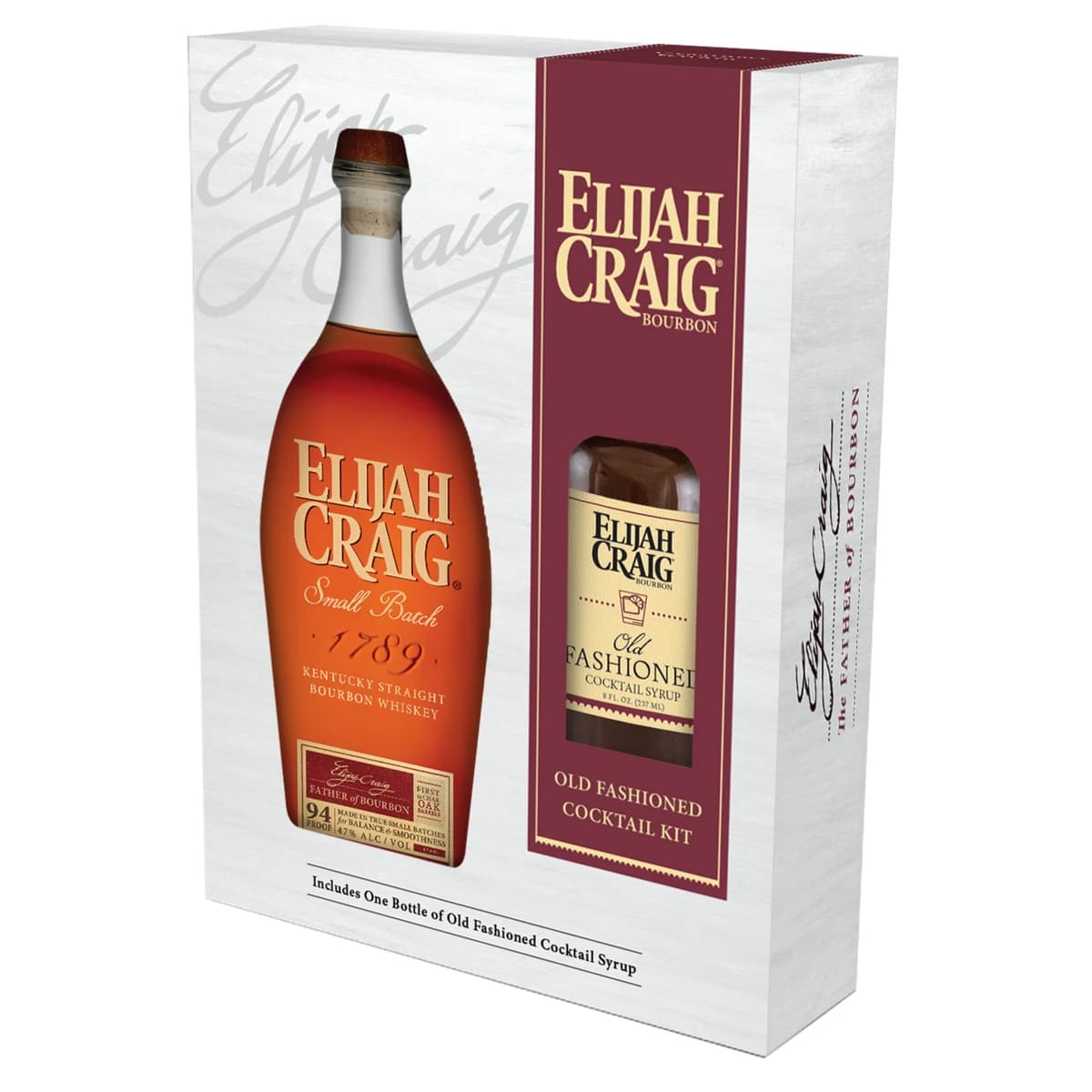
Elijah Craig Small Batch
Suits: Neat, exploring oak influence
A consistently excellent pour that punches above its price. Rich caramel, toasted oak, vanilla, and a hint of dark fruit. A cellar staple for good reason.
Explore in Digital Dram catalog5. Bottled in Bond
Bottled-in-bond bourbons meet specific legal requirements: produced at one distillery in one season, aged at least four years in a federally bonded warehouse, and bottled at exactly 100 proof. The designation is a guarantee of transparency and a reliable baseline of quality.
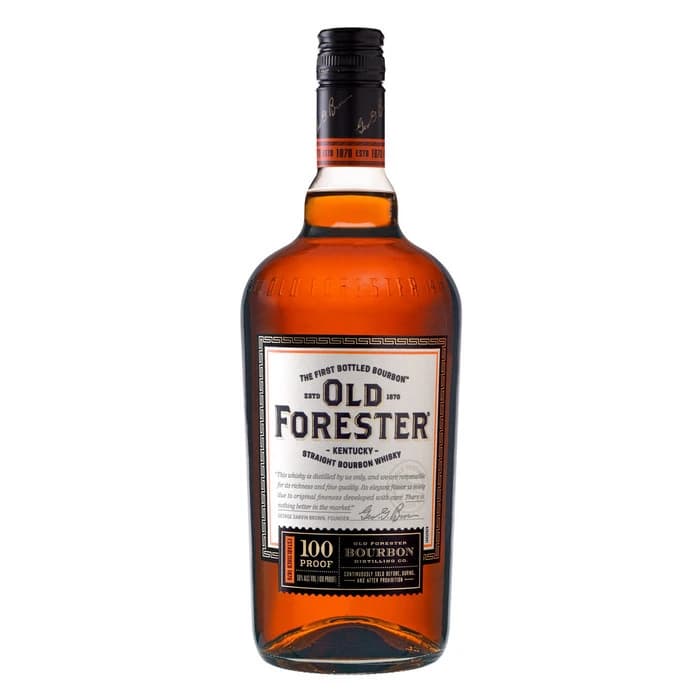
Old Forester 100
Suits: Cocktails, daily pours
Sturdy, well-made, and affordable. Caramel, banana bread, and warm spice. An excellent introduction to what 100 proof can offer.
Explore in Digital Dram catalogCommon Mistakes to Avoid
Chasing hype over palate
The most sought-after bottles are not always the most enjoyable for every palate. A $30 bottle you love is a better addition to your cellar than a $300 bottle you bought because someone else said you should. Let your own tasting notes guide your buying.
Buying duplicates without realizing it
Without a tracking system, it is easy to buy the same bottle twice, or grab something similar to three bottles you already have while neglecting entire flavor profiles you have never explored. A cellar inventory solves this.
Ignoring what you actually enjoy
Recommendation lists are starting points, not prescriptions. If you consistently rate wheated bourbons highest, lean into that. If barrel proof is not for you, that is useful information, not a failing. The goal is a cellar that reflects your palate, not a checklist of bottles other people value.
Collecting without opening
A sealed bottle is a data point you have never collected. The purpose of a cellar is to drink, compare, and learn. Special bottles deserve to be opened, ideally with people whose company you enjoy.
Growing Beyond the Foundation
Once you have covered the five foundation categories and have a sense of your preferences, expanding becomes more intentional. Some directions worth considering:
- Deeper into a distillery: If Buffalo Trace resonated, explore Eagle Rare, E.H. Taylor, or the Weller line.
- Proof exploration: Try the same distillery's offerings at different proofs to understand how proof shapes flavor.
- Age comparisons: Taste younger and older expressions side by side to learn what additional barrel time contributes.
- Regional exploration: Kentucky dominates, but distilleries in Texas, New York, and Colorado are producing distinctive bourbon with different climates and grain sources.
Cellar vs. collection
Throughout this guide, we use "cellar" intentionally. A collection can become a display. A cellar is a working inventory: bottles you open, revisit, share, and replace. The distinction matters.
The Long Game
A bourbon cellar built over months and years becomes something personal. It maps your palate's evolution, holds bottles tied to specific memories, and gives you a framework for evaluating anything new you encounter. The first five bottles are just the starting point. The tracking habit is what makes every bottle after that more meaningful.
Find Your Next Pour
Digital Dram helps you discover bourbon matched to what you already enjoy. Rate, track, and explore.
Join FreeMore in Education
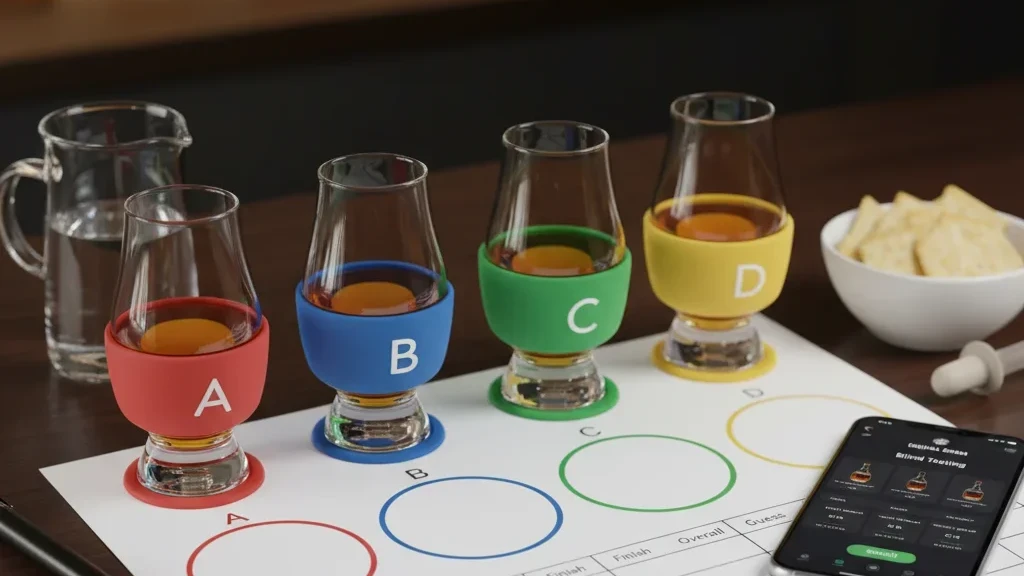
How to Host a Blind Bourbon Tasting at Home (Checklist Included)
A step-by-step guide to running a respectful, fun blind tasting: what to buy, how to pour, scorecards, and reveal rules.

The Bourbon Flavor Wheel: A Guide to Tasting Notes
Learn how to use the bourbon flavor wheel to identify tasting notes. Covers sweet, spice, fruit, oak, grain, and floral categories with practical examples.
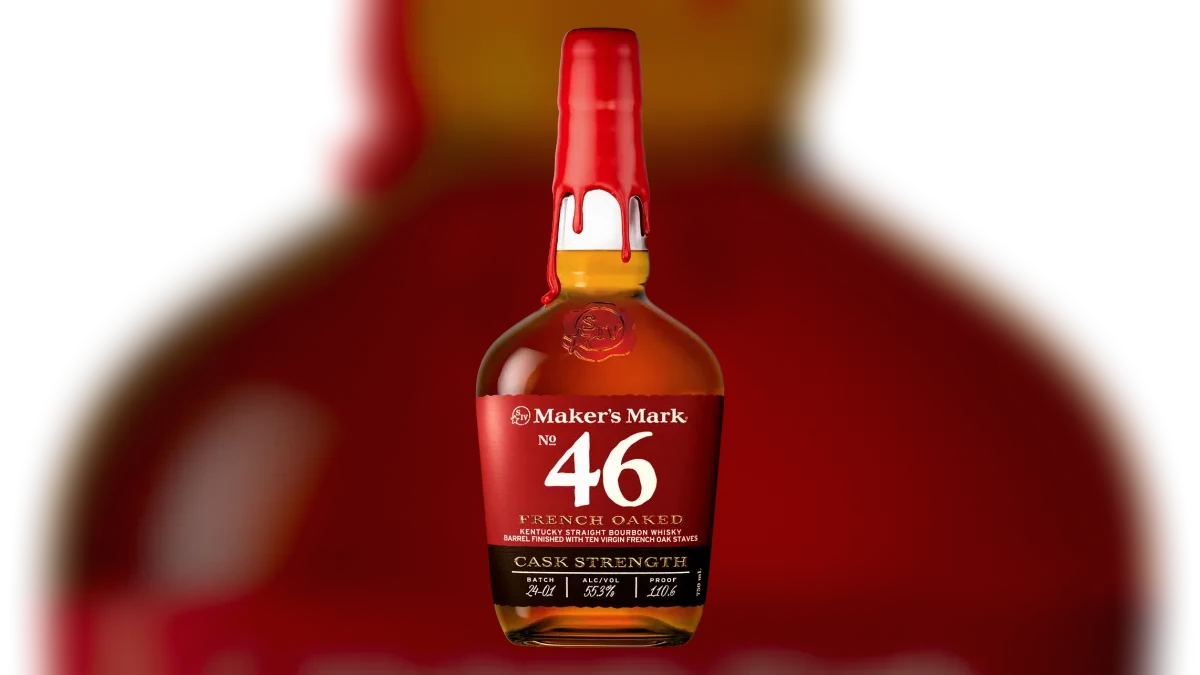
How to Read a Bourbon Label: Proof, Age, Mashbill & What Actually Matters
Decode bourbon labels in minutes. Proof vs ABV, age statements, single barrel vs small batch, and the hints that predict your flavor.