Buffalo Trace Bourbon Guide: Every Expression Worth Knowing
A complete guide to Buffalo Trace Distillery's bourbon lineup. Mash bills explained, core bottles profiled, and allocated expressions mapped.
On This Page
Got a tip? Know about an upcoming release, a shelf find, or industry news worth covering? Send it our way. We read every submission.
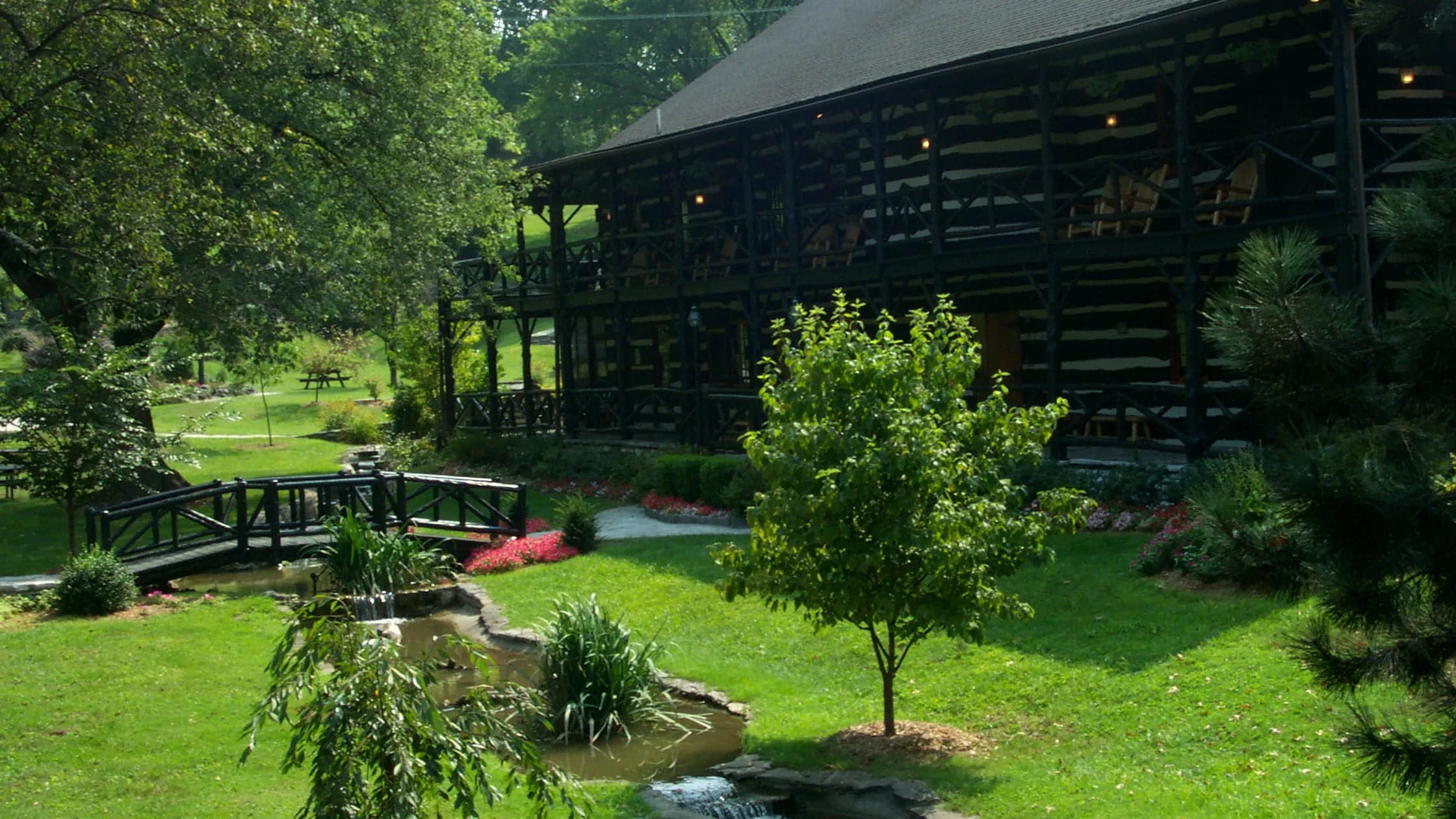
Buffalo Trace Distillery in Frankfort, Kentucky sits on land where distilling dates to 1775, making it one of the oldest continuously operating distilleries in the United States. It has been a National Historic Landmark since 2013,1 and its bourbon lineup includes an accessible flagship, several allocated single barrels, and some of the most sought-after bottles produced anywhere.
What makes Buffalo Trace distinctive among distilleries is the range. Three primary mash bills produce bourbons with meaningfully different profiles, all from the same water source, distillation equipment, and rickhouses. Understanding those mash bills is the key to reading the lineup.
Track these bottles in your cellar
Join Digital DramThe History
Hancock Lee and his brother Willis started distilling on this bend of the Kentucky River in 1775, and Harrison Blanton built the first distillery on the site in 1812. In 1870 Edmund H. Taylor Jr. bought it and named it the O.F.C. Distillery. Eight years later he sold it to George T. Stagg, whose name the plant carried for most of the next century.1 During Prohibition it stayed open to make whiskey for medicinal purposes, which is the basis for its claim to continuous operation.1 Albert B. Blanton, who ran the distillery for decades, is the name on the Blanton's bottle.
The Sazerac Company, a family-owned New Orleans firm, bought the distillery in 1992. In 1999 it renamed the site Buffalo Trace and launched the flagship bourbon of the same name. In June 2002 it began making the Van Winkle bourbons under an agreement with the Van Winkle family.1 Gary Gayheart was master distiller from 1985 to 2005, and Harlen Wheatley has held the job since.1
The Three Mash Bills
Buffalo Trace treats its exact grain ratios as secrets. The figures below are the widely reported estimates, not distillery disclosures.2
Mash Bill #1: Low Rye
The workhorse. A corn-dominant recipe with a modest amount of rye, widely believed to be under 10%, and malted barley. This produces the classic Buffalo Trace house style: caramel, vanilla, and gentle fruit with moderate spice. It is balanced and approachable across the age spectrum.
Expressions: Buffalo Trace, Eagle Rare, Colonel E.H. Taylor Jr. line, George T. Stagg
Mash Bill #2: High Rye
More rye in the grain bill, believed to be around 10% to 15%, shifts the profile toward baking spice, black pepper, and a drier finish. These bourbons tend to be more assertive and structured, with less overt sweetness and more grip.
Expressions: Blanton's Single Barrel, Elmer T. Lee, Rock Hill Farms, Hancock's President's Reserve
Wheated Mash Bill
Wheat replaces rye entirely, producing a softer, sweeter bourbon. The profile leans toward vanilla, butterscotch, and pastry notes with a smooth, rounded mouthfeel. This is the mash bill that connects the Weller line to Pappy Van Winkle.
Expressions: W.L. Weller (Special Reserve, Antique 107, 12 Year, Full Proof, C.Y.P.B.), Pappy Van Winkle (10, 12, 15, 20, 23)
Same distillery, different worlds
Tasting across all three mash bills (say, Buffalo Trace, Blanton's, and Weller Special Reserve) is one of the most instructive exercises in bourbon. Same water, same barrels, same rickhouses. The grain bill drives most of the difference you taste.
The Core Lineup
These are the bottles that define Buffalo Trace's range, from the widely available flagship to the allocated-but-findable middle tier.
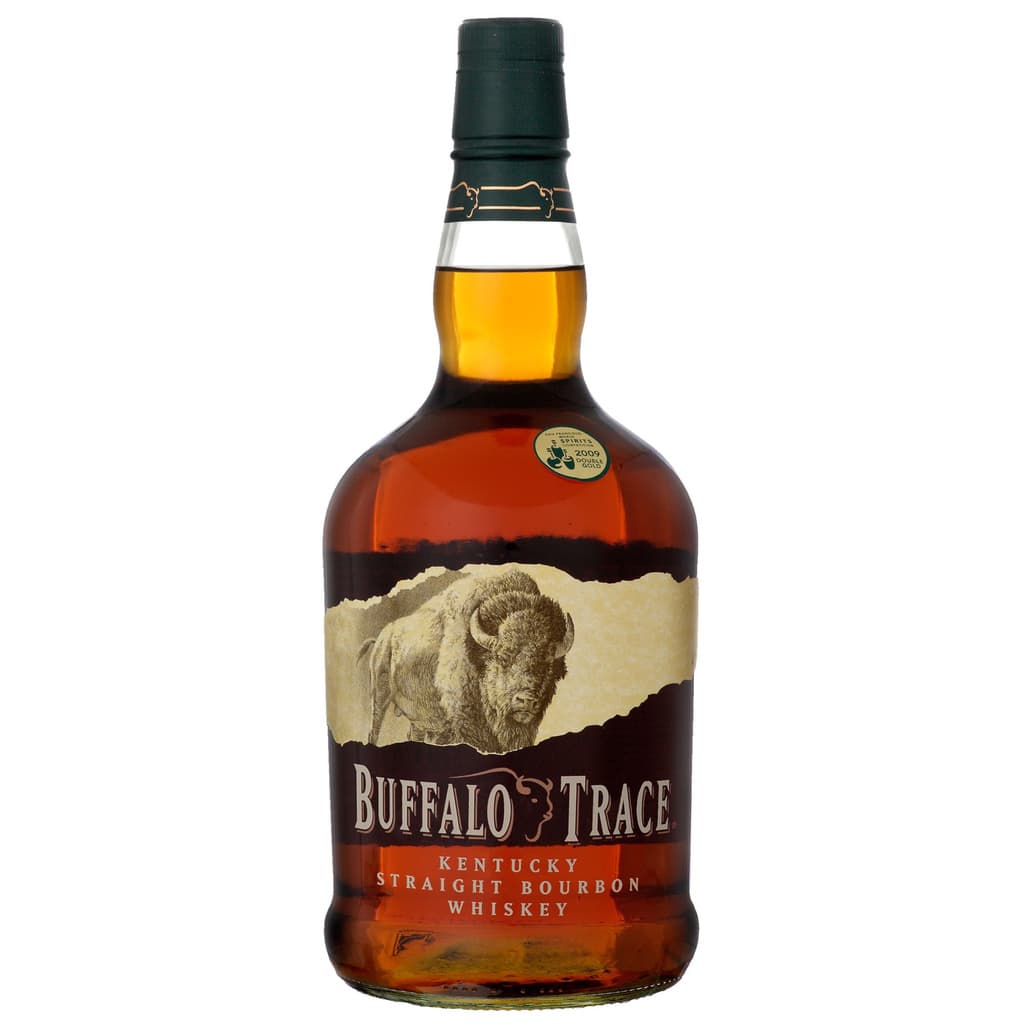
Buffalo Trace
Suits: Everyday pours, cocktails, neat
The flagship. Caramel, vanilla, a touch of toffee and fruit. Balanced for its price point. A reliable reference bourbon and a cellar staple.
Explore in Digital Dram catalog
Eagle Rare 10 Year
Suits: Neat sipping, special occasions
A step up in complexity from the flagship. Richer oak, dried cherry, leather, and honey. The 10-year age statement gives it weight that the base bourbon does not reach. Labels in some markets no longer say single barrel, so check what you are buying.
Explore in Digital Dram catalog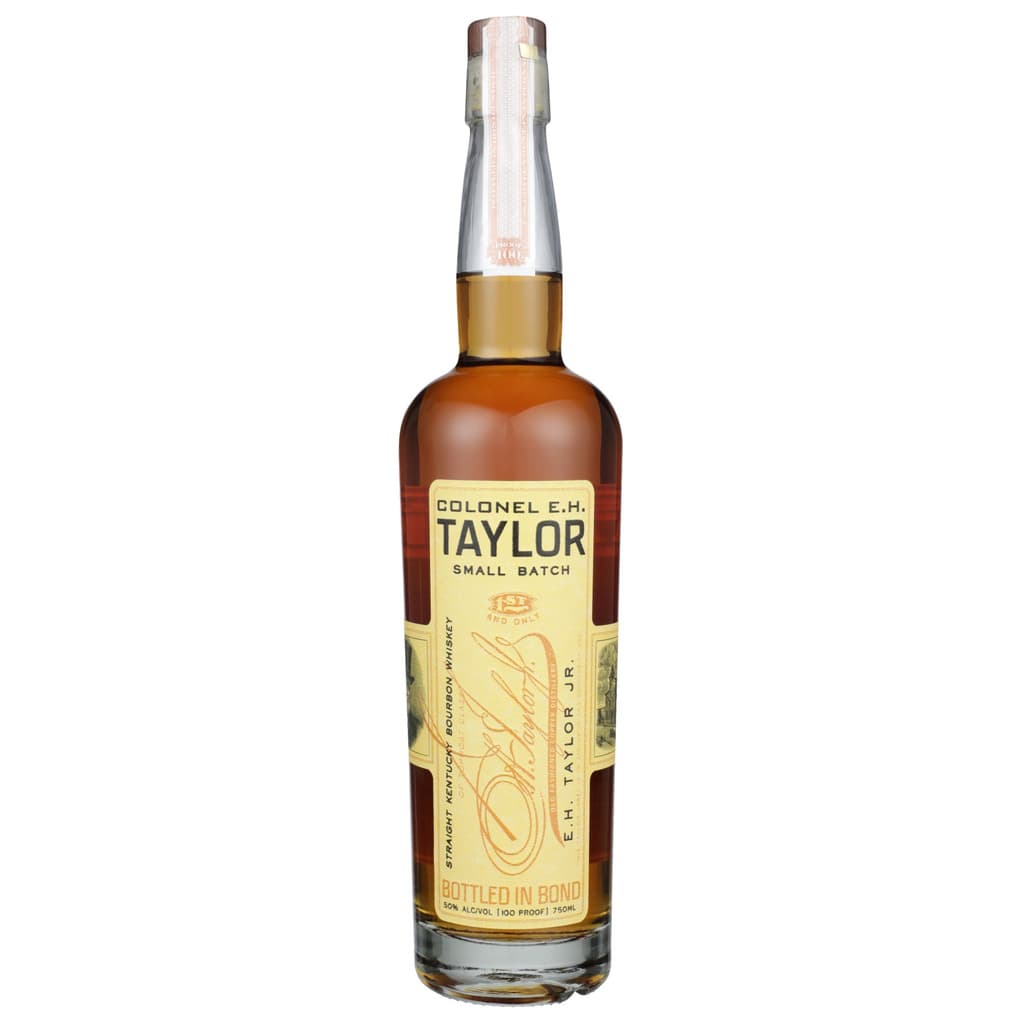
E.H. Taylor Small Batch
Suits: Neat, bourbon education
The bottled-in-bond standard applied with care. Caramel, vanilla bean, baking spice, and a clean finish. Polished and composed. A benchmark for what Mash Bill #1 does at 100 proof.
Explore in Digital Dram catalogBuild Your Bourbon DNA
Rate bottles, track your cellar, and discover expressions matched to your palate.
Create Free Profile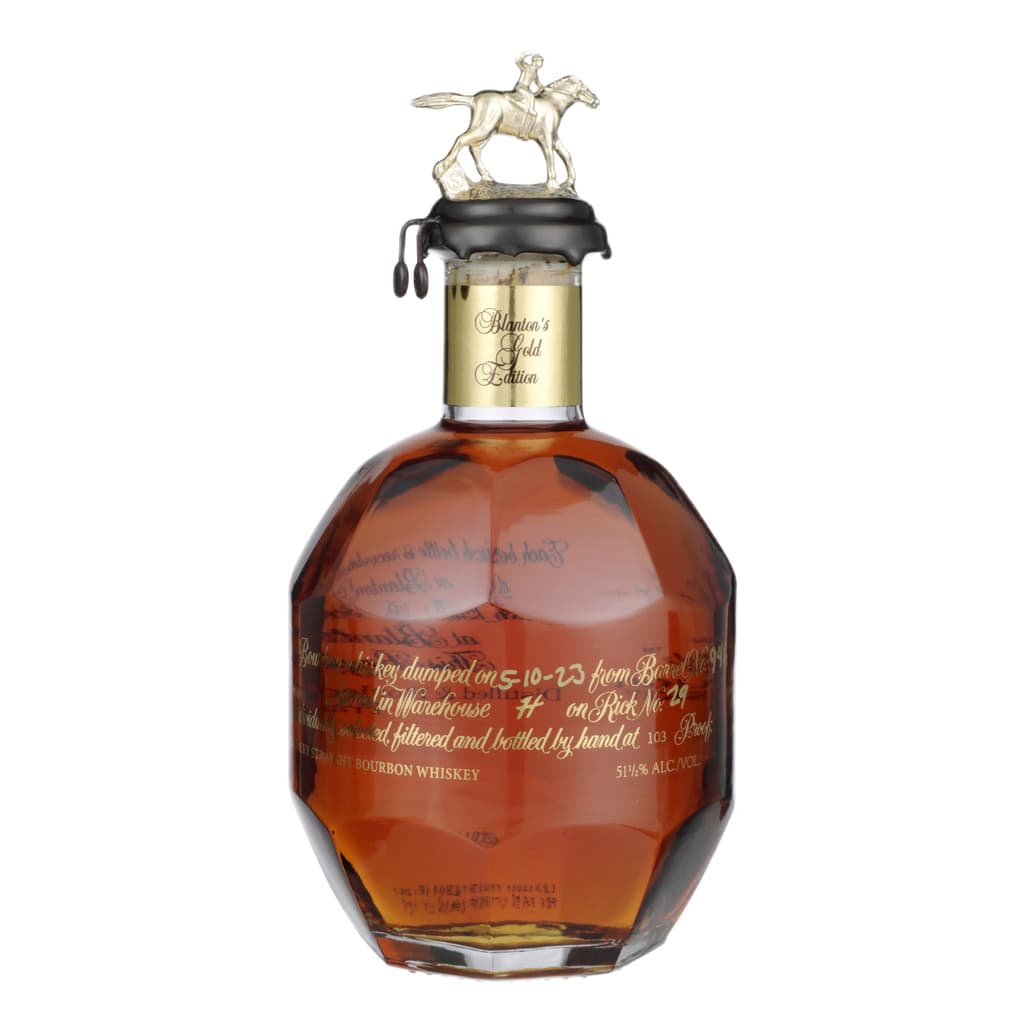
Blanton's Single Barrel
Suits: Neat, gifting
Introduced in 1984 and credited as the first bourbon marketed as a single barrel. Honey, citrus, baking spice, and a drier finish than the Mash Bill #1 expressions. Each barrel varies. The horse-and-jockey stopper gets the attention, but the bourbon holds up on its own.
Explore in Digital Dram catalog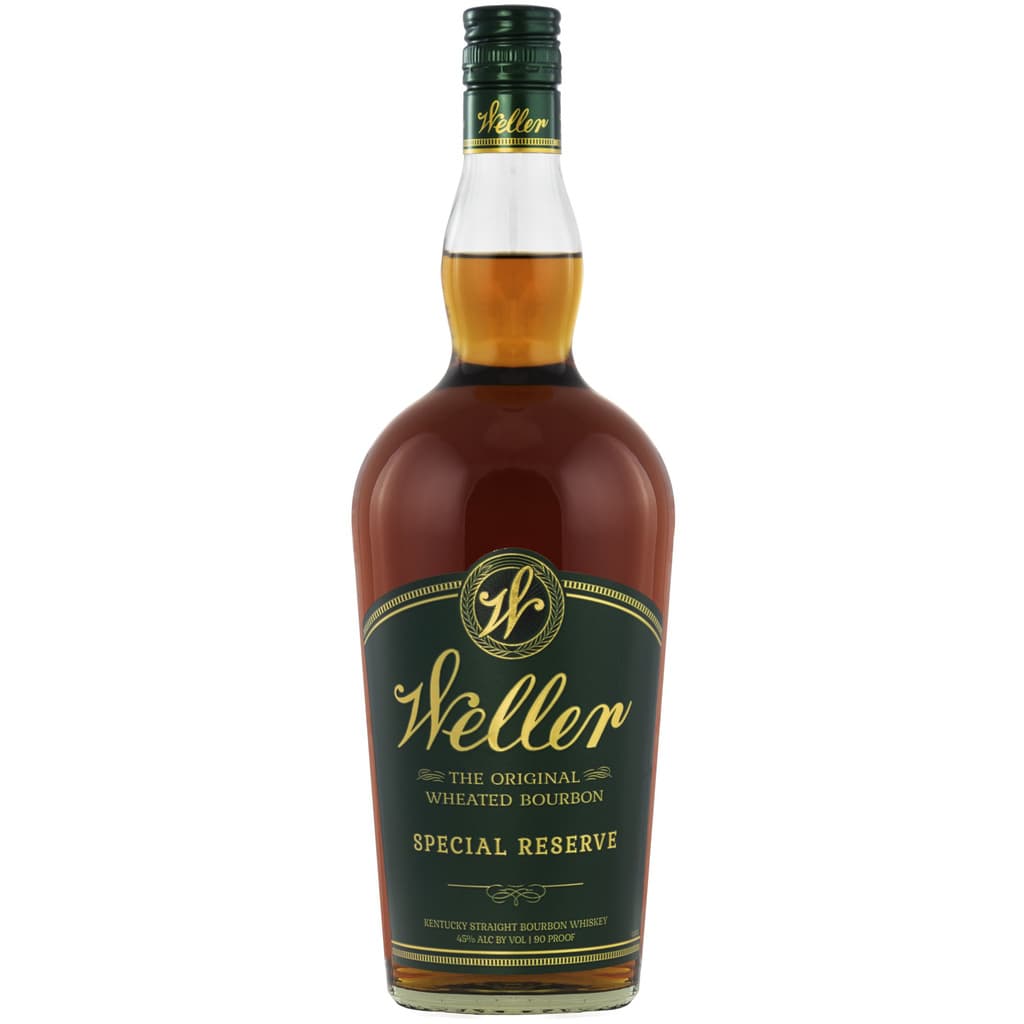
W.L. Weller Special Reserve
Suits: Neat, exploring wheated bourbon
The entry point to Buffalo Trace's wheated lineup. Soft vanilla, butterscotch, light honey. Not complex, but approachable and pleasant. The starting point of the line that leads to Pappy Van Winkle.
Explore in Digital Dram catalogSazerac Rye
Suits: Cocktails (Sazerac, Manhattan), neat
Not a bourbon, but essential context for understanding Buffalo Trace's range. Peppery, herbal, with citrus and anise. A versatile rye that works beautifully in classic cocktails.
Explore in Digital Dram catalogThe Allocated Tier
Beyond the core lineup, Buffalo Trace produces several expressions that are significantly harder to find. These are typically released annually or in limited batches.
Buffalo Trace Antique Collection (BTAC)
Released each fall, the BTAC has six expressions that represent the pinnacle of Buffalo Trace's production. E.H. Taylor Bottled-in-Bond joined in 2025, the collection's 25th release and its first addition since Thomas H. Handy in 2006.3
- George T. Stagg: Barrel-proof Mash Bill #1, aged 15+ years. Intense dark fruit, chocolate, leather.
- William Larue Weller: Barrel-proof wheated bourbon. The cask-strength expression of the Weller line.
- Thomas H. Handy Sazerac Rye: Barrel-proof rye whiskey. Spice and depth at full strength.
- Eagle Rare 17 Year: Extended-age Mash Bill #1. Deep oak, dried fruit, tobacco.
- Sazerac 18 Year: Extended-age rye whiskey. Complex and refined.
- E.H. Taylor Bottled-in-Bond: Bottled-in-bond at 100 proof. The 2025 edition was 15 years and 4 months old.3
Each release varies by proof and exact age from year to year. Suggested retail was about $100 for years, $125 in 2023, and about $150 since 2024 ($149.99 for 2025).4 5 Availability is extremely limited, usually distributed through state lotteries or allocated to select retailers.
Pappy Van Winkle
The Pappy Van Winkle line uses the same wheated mash bill as Weller but with extended aging and selective barrel picks. The lineup includes Old Rip Van Winkle 10, Van Winkle Special Reserve 12, Pappy Van Winkle 15, 20, and 23 Year. These are among the most sought-after American whiskeys produced, with secondary market prices that reflect that demand.
E.H. Taylor Limited Releases
Beyond Small Batch, the E.H. Taylor line includes Single Barrel, Barrel Proof, Amaranth, Four Grain, and various seasonal releases. Each explores a different dimension of Mash Bill #1 or experimental variations.
Availability
Buffalo Trace's lineup spans a wide availability spectrum. A practical approach:
- Always on shelf: Buffalo Trace flagship, Sazerac Rye (in most markets)
- Allocated but findable: Eagle Rare, E.H. Taylor Small Batch, Weller Special Reserve, Blanton's
- Rare: Weller 12, Weller Full Proof, E.H. Taylor Single Barrel and Barrel Proof
- Very rare: BTAC releases, Pappy Van Winkle
The flagship Buffalo Trace is one of the strongest values in bourbon regardless of what you can or cannot find above it. Building familiarity with the core bottles first, and tracking your reactions to each, gives you a foundation for evaluating the allocated expressions if and when you encounter them. Add the allocated bottles to your watchlist and use the store locator to find nearby shops that carry them.
On secondary market pricing
Secondary market prices for allocated Buffalo Trace expressions often run several multiples of retail. The liquid in a bottle of George T. Stagg is distinctive and memorable. At retail it is a bargain. At $800 it rarely is: for that money, a run of Eagle Rare, E.H. Taylor, and Weller Antique 107 teaches more about this distillery than one allocated bottle.
A Distillery Still Expanding
Buffalo Trace finished a decade-long, $1.2 billion expansion in January 2025 that more than doubled distilling capacity, from about 200,000 barrels a year to more than 500,000. Sazerac has since announced a separate production facility of roughly $1 billion in Campbellsville, Kentucky.6 Bourbon requires years of aging before it reaches the bottle, so the effects of this expansion will arrive gradually. Allocation pressure may ease over time, but demand continues to grow alongside supply.
For now, the best approach is to enjoy what you can find, track what resonates with your palate, and let the distillery's breadth work in your favor. With three mash bills and dozens of expressions, there is always something worth exploring.
Find Your Next Pour
Digital Dram helps you discover bourbon matched to what you already enjoy. Rate, track, and explore.
Join FreeFootnotes
-
Whisky Advocate, "The Mashbills of Buffalo Trace", 2024-12-04 ↩
-
Buffalo Trace Distillery press release via Breaking Bourbon, "The Buffalo Trace Antique Collection Celebrates Its 25th Anniversary With the Debut of E.H. Taylor Bottled-in-Bond", 2025-10-08 ↩ ↩2
-
The Bourbon Flight, "Sazerac Expands Again With $1 Billion Kentucky Investment", 2025-10-24 ↩
More in Distilleries

Pre-Black Friday Survival Guide: Scoring Allocated Bottles at Retail
Master the preparation, verification, and retail lottery rules needed to secure highly allocated bourbon releases this season.

Bardstown Bourbon Company Guide: Contract Distilling, the Origin Series, and Where to Start
A guide to Bardstown Bourbon Company: founded in 2014, a contract distiller for other brands, the Fusion and Discovery blends, the six-year Origin Series, and ownership under Lofted Spirits.
Four Roses Distillery Guide: Ten Recipes, Two Mash Bills, and Every Expression Worth Knowing
A guide to Four Roses: how two mash bills and five yeast strains make ten bourbon recipes, the decades of exile from American shelves, the single-story warehouses, and the lineup.