Woodford Reserve and Old Forester Distillery Guide: One Mash Bill, Two Distilleries
A guide to Brown-Forman's two Kentucky bourbon distilleries: Old Forester on Louisville's Whiskey Row and Woodford Reserve in Versailles, their shared 72/18/10 mash bill, pot versus column stills, and the lineup.
On This Page
Got a tip? Know about an upcoming release, a shelf find, or industry news worth covering? Send it our way. We read every submission.
Old Forester and Woodford Reserve start from the same grain recipe, belong to the same company, and age in heat-cycled warehouses under the same corporate roof. They do not taste alike. Old Forester comes off column stills in Louisville. Woodford Reserve blends copper pot-still whiskey from a stone distillery on Glenn's Creek with column-still whiskey from Brown-Forman's plant in Shively. Comparing them is about as close as bourbon gets to a controlled experiment in what distillation does.
One brand is 156 years old. The other launched in 1996 on a site where whiskey was made before Kentucky was 25 years old. Brown-Forman connects them.
Track these bottles in your cellar
Join Digital DramOld Forester: Bourbon in a Sealed Bottle
In 1870 George Garvin Brown was a 24-year-old pharmaceutical salesman in Louisville. Whiskey then usually left the distillery by the barrel, and what reached a customer's glass depended on who had handled it along the way. Brown and his half-brother started J.T.S. Brown and Bro. with $5,500 and sold Old Forester only in sealed glass bottles. Brown-Forman has since trademarked the phrase "America's First Bottled Bourbon."1
The early whiskey was blended from several distilleries for consistency and bottled at 90 proof. The name honored Dr. William Forrester, a Louisville physician who endorsed the sealed-bottle idea. The brand spelled it with two r's until Forrester retired, then dropped one.1
From 1882 to 1919 the company's offices and bottling line sat at what is now 119 W. Main Street, on a stretch of Louisville once home to 89 distilling companies. A fire hit that bottling line on October 2, 1910.1 Old Forester moved to 100 proof to meet the Bottled-in-Bond Act of 1897, and added the 86-proof bottling in 1959.1
Prohibition
When Prohibition began in 1920, Brown-Forman received one of six federal permits to keep bottling existing whiskey as medicine.2 That is the basis for the company's claim that Old Forester is the only bourbon sold by the same company before, during, and after Prohibition.1 Other brands stayed on pharmacy shelves under medicinal licenses, but most passed through new owners along the way.
Back to Whiskey Row
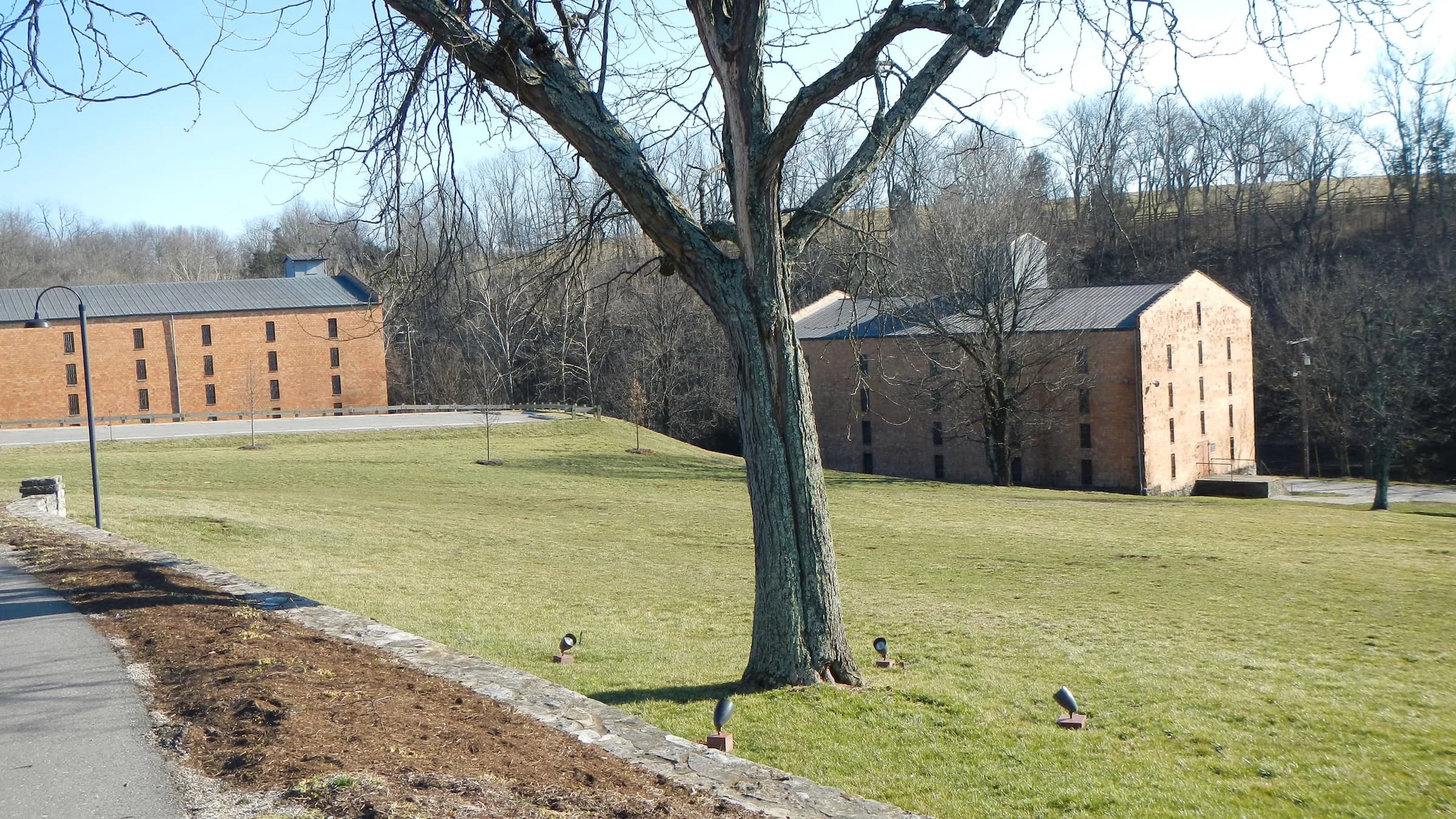
In June 2018 Brown-Forman opened Old Forester Distilling Co. at 119 W. Main, the building the brand occupied before Prohibition. It holds fermentation, distillation, barrel aging, and a working cooperage that chars barrels on site.1 It is a small operation next to Brown-Forman's main distillery in Shively, which makes the bulk of Old Forester.
Woodford Reserve: An Old Site, a Young Brand
Whiskey was made on Glenn's Creek in Woodford County as early as 1812. The site is now a National Historic Landmark.3 The Pepper family built the distillery, and Oscar Pepper's main building was finished in 1838.4 James Crow worked there in the 1830s and 1840s and is credited with bringing measurement and repeatability to the sour mash process. He did not invent sour mash, despite how often the story gets told that way.5
Leopold Labrot and James Graham bought the distillery in 1878 and ran it, apart from Prohibition, until Brown-Forman bought it in 1941.5 Brown-Forman later shut it down during the long slump in bourbon sales and sold the property. It sat idle until Brown-Forman bought it back in the mid-1990s, restored the buildings, and introduced Woodford Reserve on October 17, 1996.5
In 2021 Brown-Forman announced it would double distilling capacity at Versailles. The stillhouse now runs six copper pot stills, up from three.6
How They Are Made
The Shared Recipe
Woodford Reserve publishes its grain recipe: 72% corn, 18% rye, and 10% malted barley.3 Old Forester's core bottles use the same recipe.2 With 18% rye it sits well above Heaven Hill's 10%, and that rye shows up as pepper and clove in both brands. Old Forester's house character adds a banana and caramel note that comes through most clearly at 100 proof.
The exception is new. Old Forester 1924, a 10-year-old added to the Whiskey Row Series in January 2024, is made from 79% corn, 11% rye, and 10% malted barley.2
Pot Still and Column Still
This is where the two brands part ways.
Old Forester is column-distilled. Most of it comes from Brown-Forman's distillery in Shively, with a small amount from the Main Street site.
Woodford Reserve is batched from two whiskeys made from the same recipe: pot-still whiskey from Versailles and column-still whiskey from Shively.3 5 The pot-still side goes through three copper pot stills in sequence, triple distillation in the Scottish manner and rare in Kentucky. It yields a light, floral distillate.4 Woodford also describes its fermentation as among the longest in the industry.3
What the Pot Still Changes
A column still runs continuously and strips the spirit fairly clean. A pot still works one batch at a time, and each pass leaves different flavor compounds behind. Brown-Forman does not publish how much of a bottle of Woodford Reserve Distiller's Select is pot-still whiskey, so the exact share is unknown. The doubled stillhouse means the pot-still side has more capacity than it did before 2021.
Heat-Cycled Warehouses
Kentucky rickhouses usually age whiskey on the weather's schedule. Brown-Forman heats many of its brick and stone warehouses during the colder months, so barrels go through extra warm-cool cycles and the spirit moves in and out of the wood more often. Woodford calls its warehouses heat-cycled.3 Old Forester's brick warehouses in Shively use the same approach, though not every building and not every year. At least two were reportedly taken off heat cycling around 2018 and later turned back on.4
The Cooperage, Then and Now
For eight decades Brown-Forman made its own barrels in Louisville, which gave it control over wood seasoning, toast, and char. That ended in 2025. As part of a restructuring that cut about 12% of its workforce, Brown-Forman closed the cooperage, which had opened in 1945, and moved to buying barrels from outside suppliers.7 Independent Stave Company bought the site.8 The barrel-charring demonstration at Old Forester's Main Street distillery continues, but the in-house barrel program that shaped every bottle on this page through the 2020s is gone. Whiskey filled before mid-2025 went into Brown-Forman's own barrels, so any change from outside barrels will not reach bottles for several years.
The Lineup
Old Forester Core
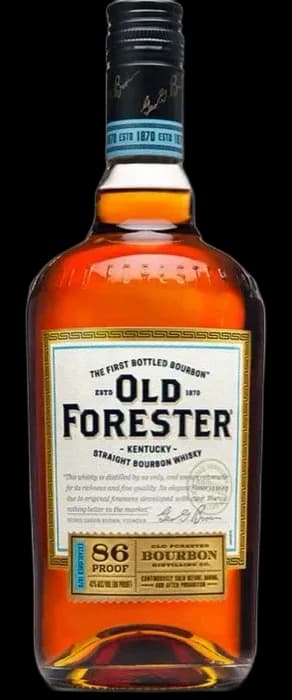
Old Forester 86 Proof
Suits: Highballs, and an inexpensive look at the house profile
Introduced in 1959 as the lighter alternative to the 100-proof bottling. Banana, light caramel, and a little mint. Pleasant and easy, but the 86 proof flattens the rye that makes this recipe interesting. For a few dollars more, the 100 proof is the clearer read.
Explore in Digital Dram catalog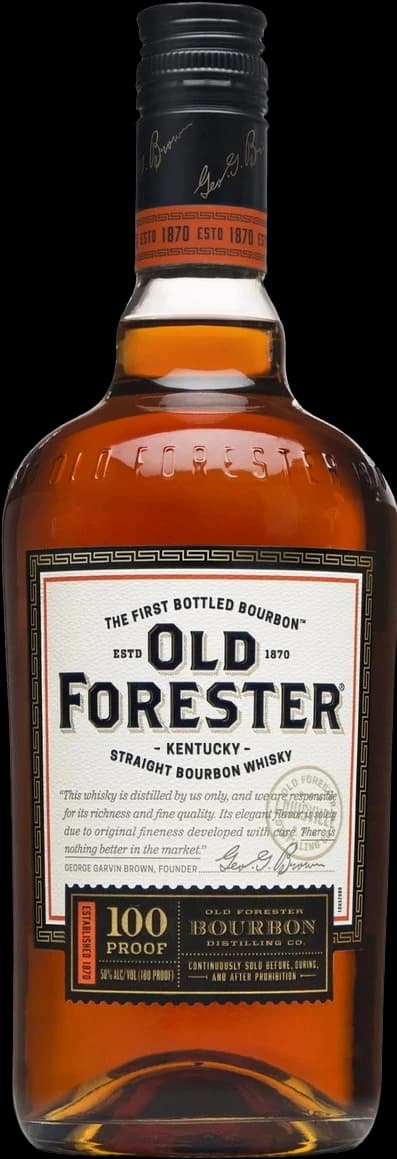
Old Forester 100 Proof
Suits: The house profile at full strength, and a reliable cocktail bourbon
Overripe banana, caramel, clove, and black pepper, with enough proof to hold up in an Old Fashioned or under ice. A strong value on most bar backs. It is not bottled-in-bond despite the proof, so use 1897 if the bond matters to you.
Explore in Digital Dram catalogThe Whiskey Row Series
Each of the first four bottles marks a date in the brand's history, and all four use the standard recipe.2 The fifth, 1924, uses a different one.
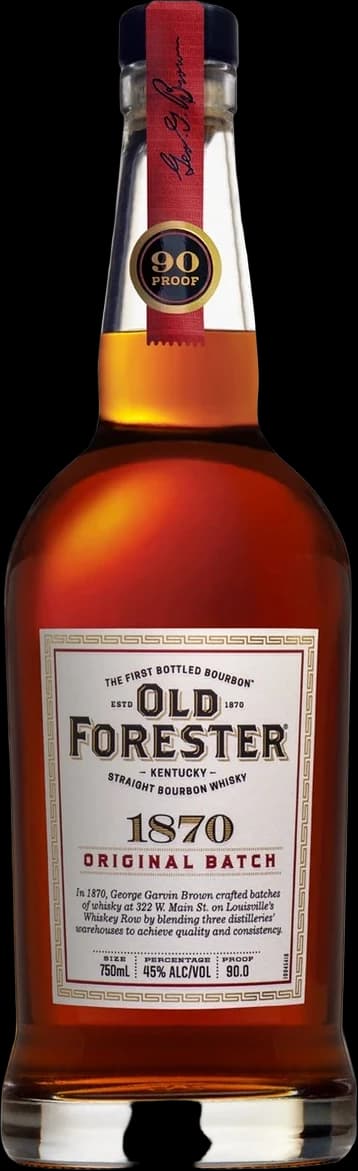
Old Forester 1870 Original Batch
Suits: A softer, rounder take on the house profile
Batched from barrels drawn from three warehouses with different ages and entry proofs, a nod to the blending Brown did in 1870. Honey, orange, and oak. The 90 proof keeps it gentle, which is the appeal for some and a limitation for others.
Explore in Digital Dram catalog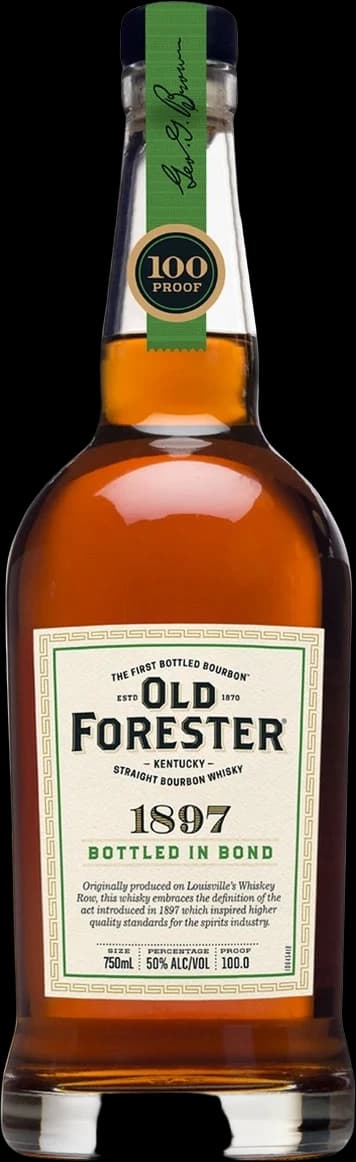
Old Forester 1897 Bottled in Bond
Suits: The bonded version of the 100 proof
Named for the Bottled-in-Bond Act. One distilling season, at least four years in a bonded warehouse, 100 proof. Next to Old Forester 100, it reads a bit more polished, with more vanilla and less raw spice. The price gap is larger than the flavor gap.
Explore in Digital Dram catalog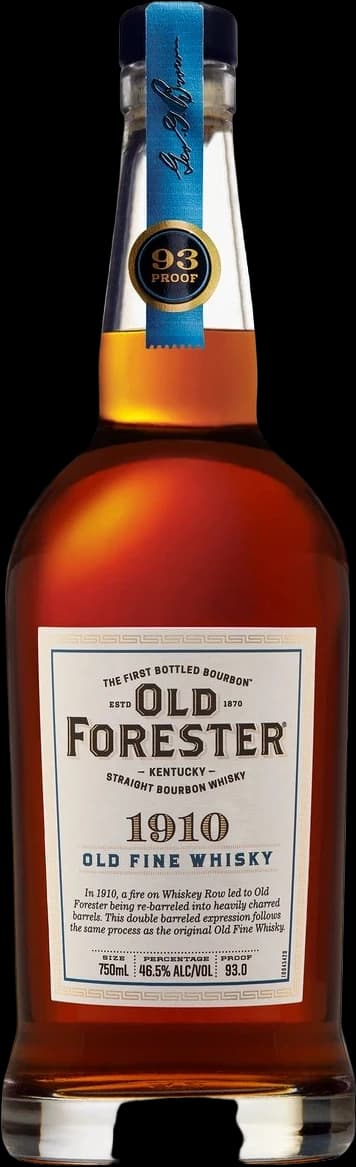
Old Forester 1910 Old Fine Whisky
Suits: Dark, dessert-leaning bourbon at a low proof
Mature bourbon goes into a second, heavily charred new barrel. The brand ties it to the October 1910 bottling-line fire, telling it as whiskey that could not be bottled being put back into fresh barrels. Chocolate, toasted marshmallow, dark cherry, and char. At 93 proof it drinks easily. Some find the sweetness heavy after the first pour.
Explore in Digital Dram catalog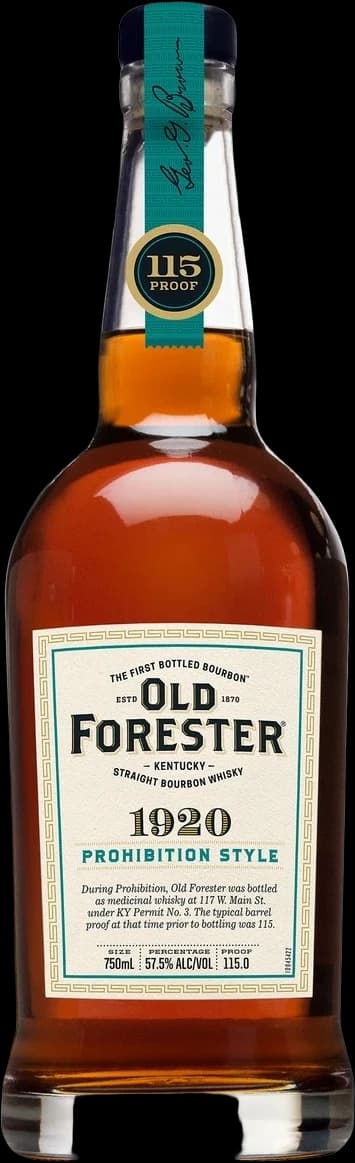
Old Forester 1920 Prohibition Style
Suits: The recipe at high proof, for less than most barrel-strength bottles
Bottled at 115 to represent typical barrel proof of the Prohibition era. Thick and dark: brown sugar, banana bread, cocoa, and a long peppery finish. Of the Whiskey Row bottles, this one shows the 72/18/10 recipe most fully. A few drops of water open it up.
Explore in Digital Dram catalog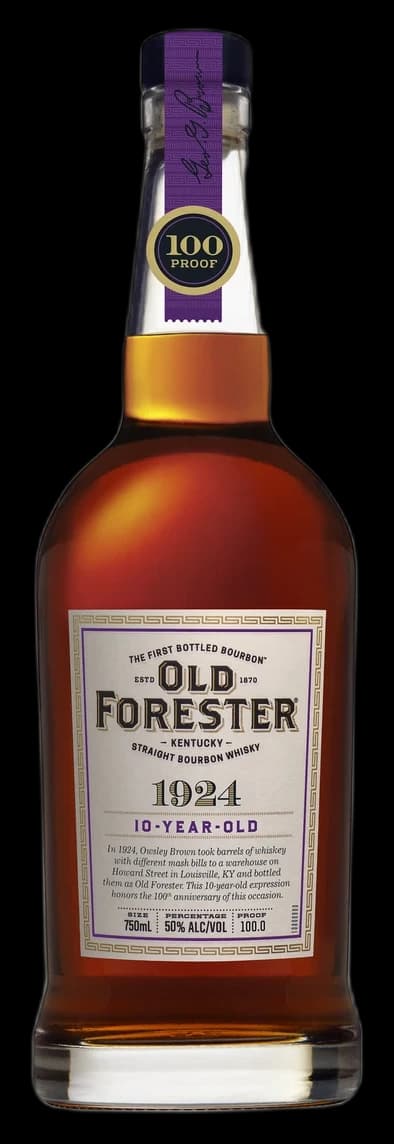
Old Forester 1924 10 Year
Suits: Seeing what a lower-rye recipe and a decade of age do
First released in January 2024 and returned in 2025. The lower rye and higher corn give a rounder, sweeter bourbon than the rest of the series, with old oak, dried fruit, and leather. The first run sold out nationally within weeks. Around $120, it costs more than the rest of the Whiskey Row Series.
Explore in Digital Dram catalogWoodford Reserve
Every Woodford bottling starts from the Distiller's Select batch. Double Oaked, released in 2012, adds a little under a year in a second barrel.9
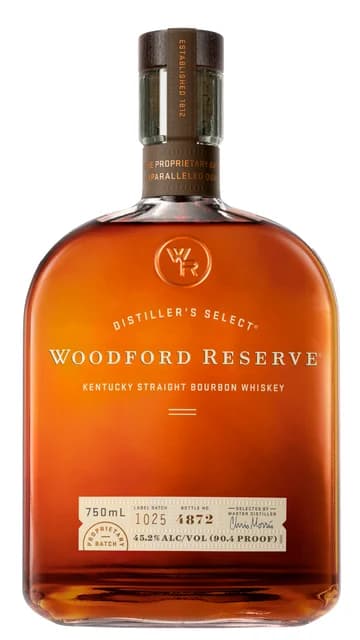
Woodford Reserve Distiller's Select
Suits: The pot-and-column blend in its standard form
Dried fruit, vanilla, cocoa, toasted nuts, and a soft, oily texture the pot-still whiskey brings. Easy to find and polished, though at 90.4 proof it can taste restrained next to the 100-proof Old Forester at a lower price.
Explore in Digital Dram catalog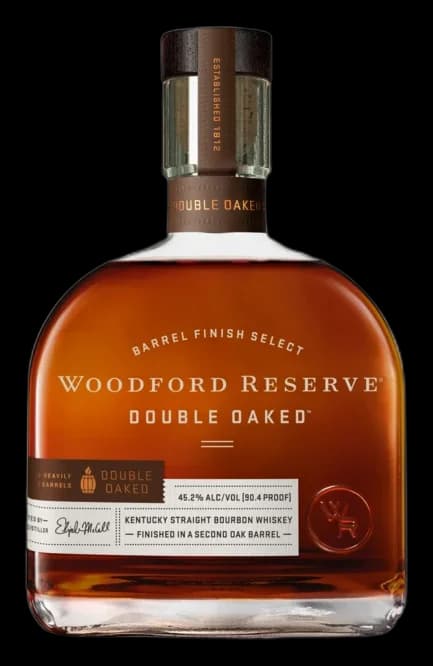
Woodford Reserve Double Oaked
Suits: Sweet, oak-forward bourbon built for slow sipping
Released in February 2012. Mature Distiller's Select goes into a second new barrel that is deeply toasted and only lightly charred, for a little under a year. The toast does the work: toffee, dark caramel, vanilla bean, and baked apple. The sweetness is sometimes too much for drinkers who prefer dry, spicy bourbon.
Explore in Digital Dram catalogBuild Your Bourbon DNA
Rate bottles, track your cellar, and discover expressions matched to your palate.
Create Free Profile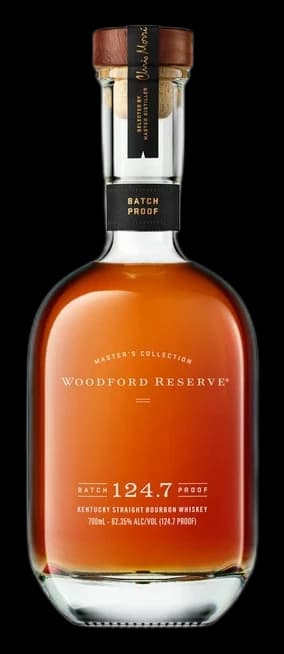
Woodford Reserve Batch Proof
~118-125 (varies by release)Suits: Woodford without the water
An annual release bottled at batch proof instead of being cut to 90.4. Recent releases have run from about 118 to 125 proof. It shows the rye spice and oak the standard bottling holds back. The price runs well above Distiller's Select, and a year-to-year difference of six or seven proof points is enough to change the bottle.
Explore in Digital Dram catalogLimited Releases
Birthday Bourbon has come out every year since 20021 and reached its 25th edition in 2025.10 The 26th, released in September 2026, is 11 years old and 97 proof, drawn from 212 barrels on the third floor of Warehouse B.11 King of Kentucky is an older brand that Brown-Forman brought back in 2018.12
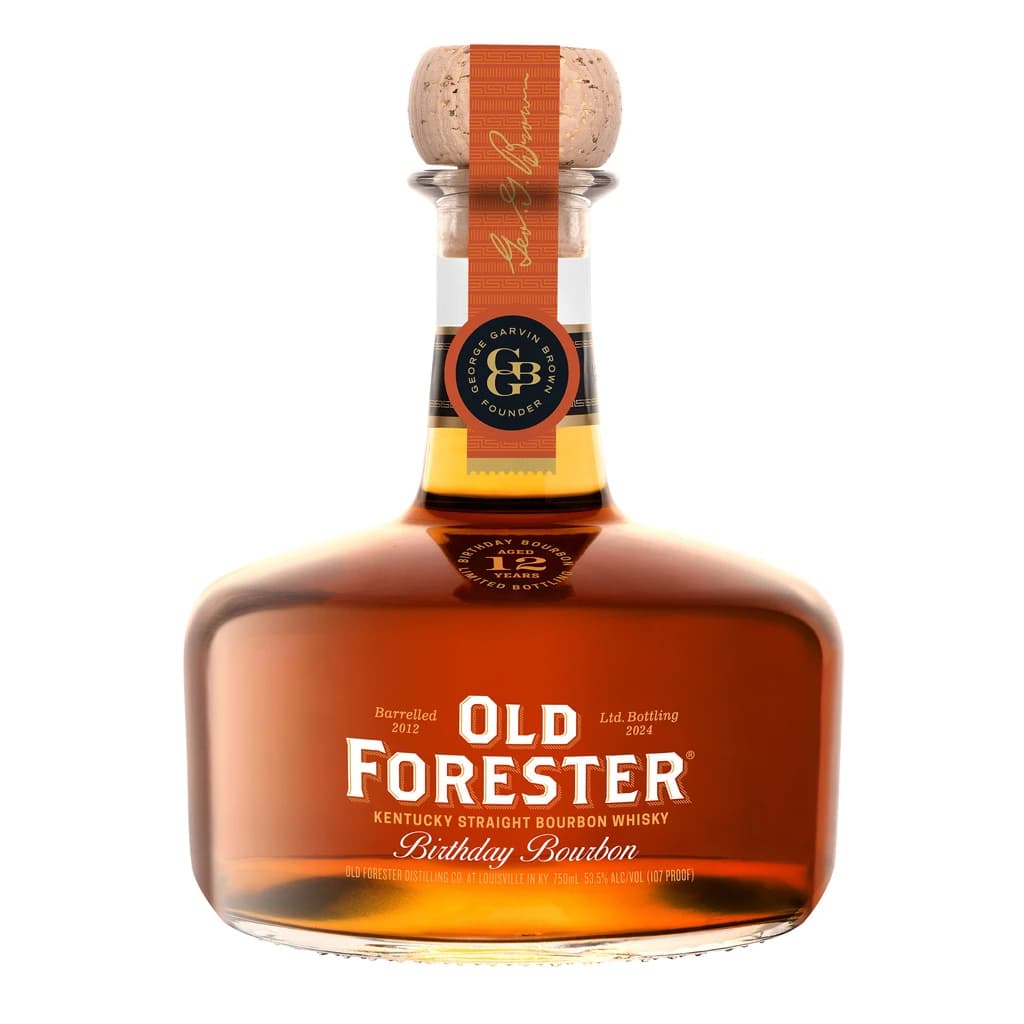
Old Forester Birthday Bourbon
Varies by year (97 in 2026)Suits: A vintage-dated snapshot of the house recipe
Released around George Garvin Brown's birthday, September 2, since 2002, and traditionally drawn from a single day's production. The 2026 edition is 11 years old and 97 proof. The 2025 edition was 12 years old, blended from 210 barrels all distilled on April 5, 2013, and bottled at 92 proof. Each year is different, which is the point. It is also hard to find at retail.
Explore in Digital Dram catalog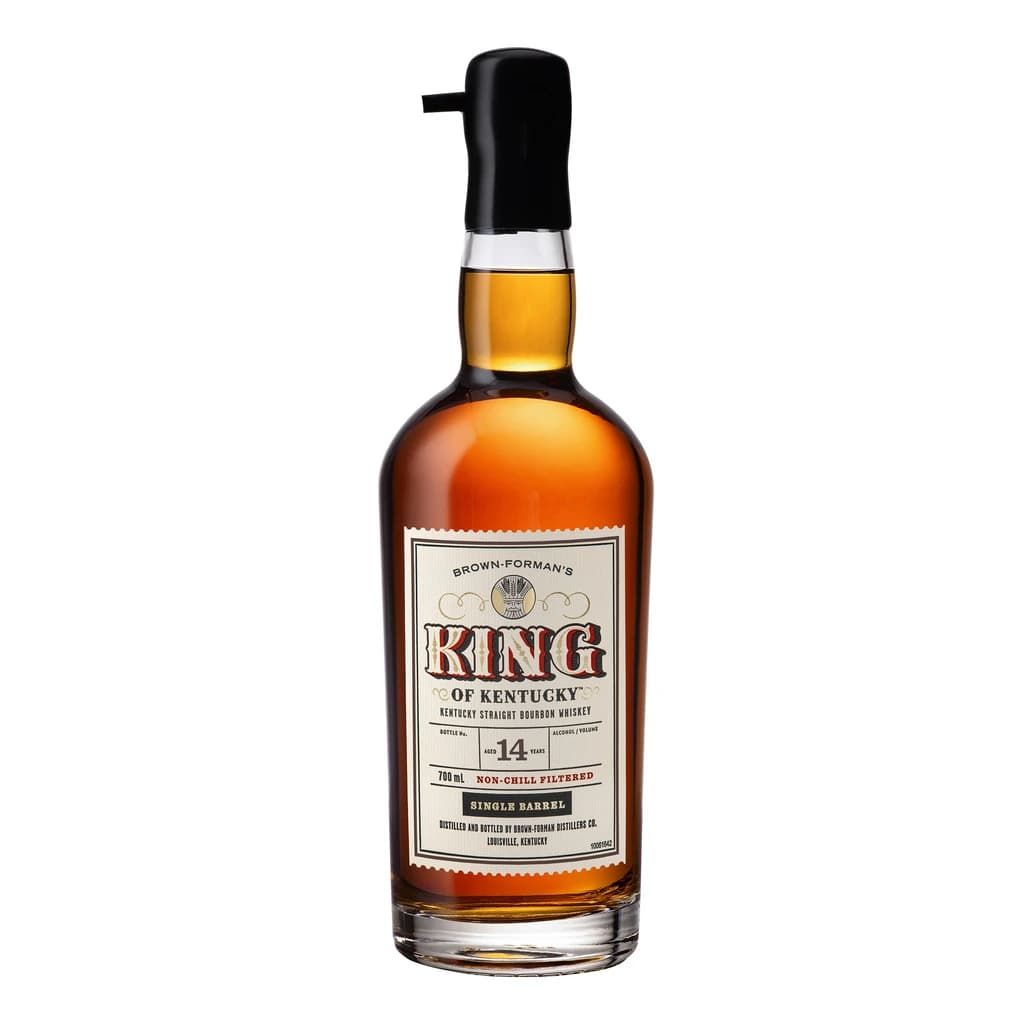
King of Kentucky
Varies (barrel proof)Suits: Old Brown-Forman whiskey at full strength
The brand dates to 1881. Brown-Forman bought it in 1936, turned it into a blended whiskey by 1940, and discontinued it in 1968. It returned in 2018 as a single-barrel, barrel-proof bourbon: the first release was 14 years old, 125 proof, and about 1,000 bottles sold only in Kentucky. In 2026 it added small-batch releases. Rare and expensive, and the mash bill is not stated on the label.
Explore in Digital Dram catalogVisiting
The two distilleries are about an hour apart on I-64, so many visitors see both in one day.
Old Forester Distilling Co., 119 W. Main Street, Louisville. The tour covers fermentation, distillation, the on-site cooperage where barrels are charred, and a warehouse floor, then a tasting. It sits on Whiskey Row, within walking distance of several other downtown distilleries. Our downtown Louisville guide maps the rest.
Woodford Reserve Distillery, 7785 McCracken Pike, Versailles. The stone stillhouse, the pot stills, and the warehouses are the draw, set among horse farms on Glenn's Creek. It is a working distillery in a rural setting, so plan the drive and do not expect to walk in on a busy weekend.
Both book out on spring and fall weekends. Tour options and prices change seasonally, so check the Old Forester and Woodford Reserve sites before you go.
Where to Start
Buy Old Forester 100 Proof and Woodford Reserve Distiller's Select and taste them side by side. Same recipe, same company, different stills. The Old Forester will be spicier and more banana-forward. The Woodford will feel rounder and more restrained. That gap is mostly the pot still and the blending.
From there, the double-barreled bottles make a second pairing. Woodford Reserve Double Oaked and Old Forester 1910 both spend time in a second new barrel, one toasted and one charred. If the toasted sweetness wins, stay with Woodford. If the char and cocoa win, go to Old Forester 1920 next, which carries more of that weight at 115 proof without any second barrel.
Log each pour in your collection. With two brands on one recipe, your notes will quickly show which side your palate takes: pot-still texture or column-still spice.
Find Your Next Pour
Digital Dram helps you discover bourbon matched to what you already enjoy. Rate, track, and explore.
Join FreeFootnotes
-
Old Forester, "Old Forester Bourbon History & a Legacy of Firsts" (fact sheet), 2022 ↩ ↩2 ↩3 ↩4 ↩5 ↩6 ↩7
-
Distillery Trail, "Old Forester's Whiskey Row Series 1924 Bourbon Returns for Year Two", 2025-01-07 ↩ ↩2 ↩3 ↩4
-
The Bourbon Culture, "Everything You Need to Know About Brown-Forman Warehouses in Kentucky" ↩ ↩2 ↩3
-
Distillery Trail, "Woodford Reserve Distillery Expansion to 6 Copper Pot Stills" ↩
-
CNN via KVIA, "Brown-Forman closing Louisville cooperage, reducing global workforce by 12%", 2025-01-14 ↩
-
WDRB, "Former Brown-Forman Louisville cooperage site sold to Missouri-based company" ↩
-
Whisky Advocate, "Old Forester Birthday Bourbon Returns for a 25th Year, With a Twist", 2025-08-18 ↩
-
Breaking Bourbon, "Old Forester 2026 Birthday Bourbon Review" ↩
-
The Whiskey Wash, "King of Kentucky Bourbon Brings Back a Historic Bourbon Brand", 2018-06-12 ↩
More in Distilleries

Pre-Black Friday Survival Guide: Scoring Allocated Bottles at Retail
Master the preparation, verification, and retail lottery rules needed to secure highly allocated bourbon releases this season.
Bardstown Bourbon Company Guide: Contract Distilling, the Origin Series, and Where to Start
A guide to Bardstown Bourbon Company: founded in 2014, a contract distiller for other brands, the Fusion and Discovery blends, the six-year Origin Series, and ownership under Lofted Spirits.
Four Roses Distillery Guide: Ten Recipes, Two Mash Bills, and Every Expression Worth Knowing
A guide to Four Roses: how two mash bills and five yeast strains make ten bourbon recipes, the decades of exile from American shelves, the single-story warehouses, and the lineup.