Bourbon vs Scotch: The Open Championship Debate
The Open is Scotch country, but the bourbon case is stronger than most golf fans realize. A side-by-side breakdown for links golf weekend.
On This Page
Got a tip? Know about an upcoming release, a shelf find, or industry news worth covering? Send it our way. We read every submission.
The Open Championship is played in Scotland and the UK. The galleries wear tweed, the pubs pour Scotch, and Americans watching at home tend to default to the same, out of respect for the setting.
The bourbon case is stronger than most golf fans realize. The two categories overlap more than they compete, and a weekend with both on the bar shows off the strengths of each.
Track both categories
Start Your CellarThe Categories Share More Than They Admit
Bourbon and Scotch come from the same parent craft: distilled grain whiskey, aged in wood, bottled at drinking strength. The divergence is in the details.
Bourbon must be at least 51% corn and aged in new charred American oak. The mash bill, the char, and that fresh wood give bourbon its signature: sweet, vanilla-forward, oak-driven.
Scotch is made from malted barley (single malt) or a grain blend (blended) and aged in used oak, often ex-bourbon, ex-sherry, or ex-port. The used cask is the key difference. It holds back the wood and lets grain and cask character show through.
The deeper split is that cask. New charred oak drives bourbon's identity. Used casks drive Scotch's layered complexity.
Where Scotch Wins
Scotch has a 200-year head start, and the category's range has no direct American equal:
Aged complexity. A 25-year Scotch delivers nuance a 25-year bourbon rarely matches, because the used cask preserves fruit and floral notes that new charred oak would bury.
Peat. Bourbon has no peat tradition. Smoky single malts from Islay produce flavors no American whiskey replicates.
Sherry maturation. Long sherry aging builds dried fruit, leather, and dark chocolate that new oak cannot.
Lightness at age. A 15-year bourbon is often too woody. A 15-year Scotch is usually in its prime.
Where Bourbon Wins
Bourbon has its own edges:
Immediate impact. A Kentucky straight announces itself on the first nose. The new-oak aggression means you do not have to hunt for the flavor.
Sweetness. Corn-majority mash bills bring caramel, vanilla, and honey that barley rarely matches.
Value at younger ages. A 6-year bourbon can be excellent. A 6-year Scotch usually is not ready.
Barrel proof for the money. Cask-strength single malts exist but often run north of $150. Barrel-proof bourbons at $70 to $90 are everywhere.
The Head-to-Head Format
For an Open weekend, a direct comparison earns its slot. Two glasses, one ounce each, matched glassware, a Glencairn if you have it.
Match age and price or the fight is not fair. A stated 9-year Knob Creek against a 12-year Speyside single malt is a fair pairing. A $25 entry-level Kentucky straight against an 18-year sherried Scotch is not. Taste in this order:
- Bourbon first, since it is the more aggressive profile.
- Water to reset.
- Scotch second.
- Back to the bourbon.
The second pass on the bourbon is where it sharpens. After the Scotch's restraint, the bourbon's forward nature is easier to name.
The Bourbon Bench
Five accessible classics that give a Scotch drinker a fair read on American whiskey without a hunt or a splurge.
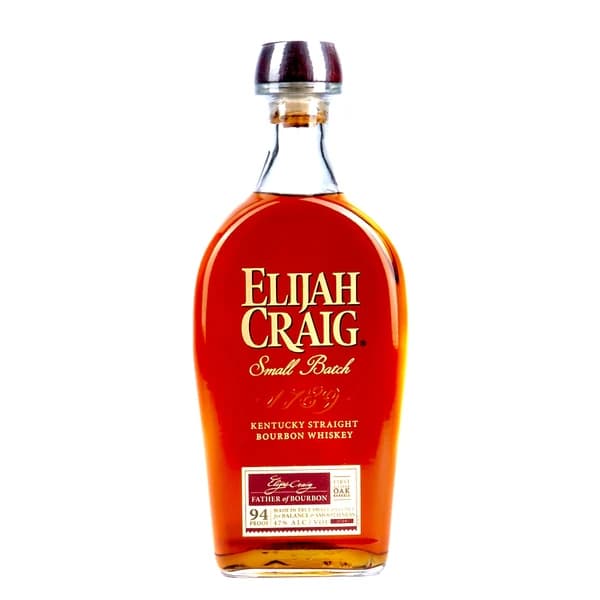
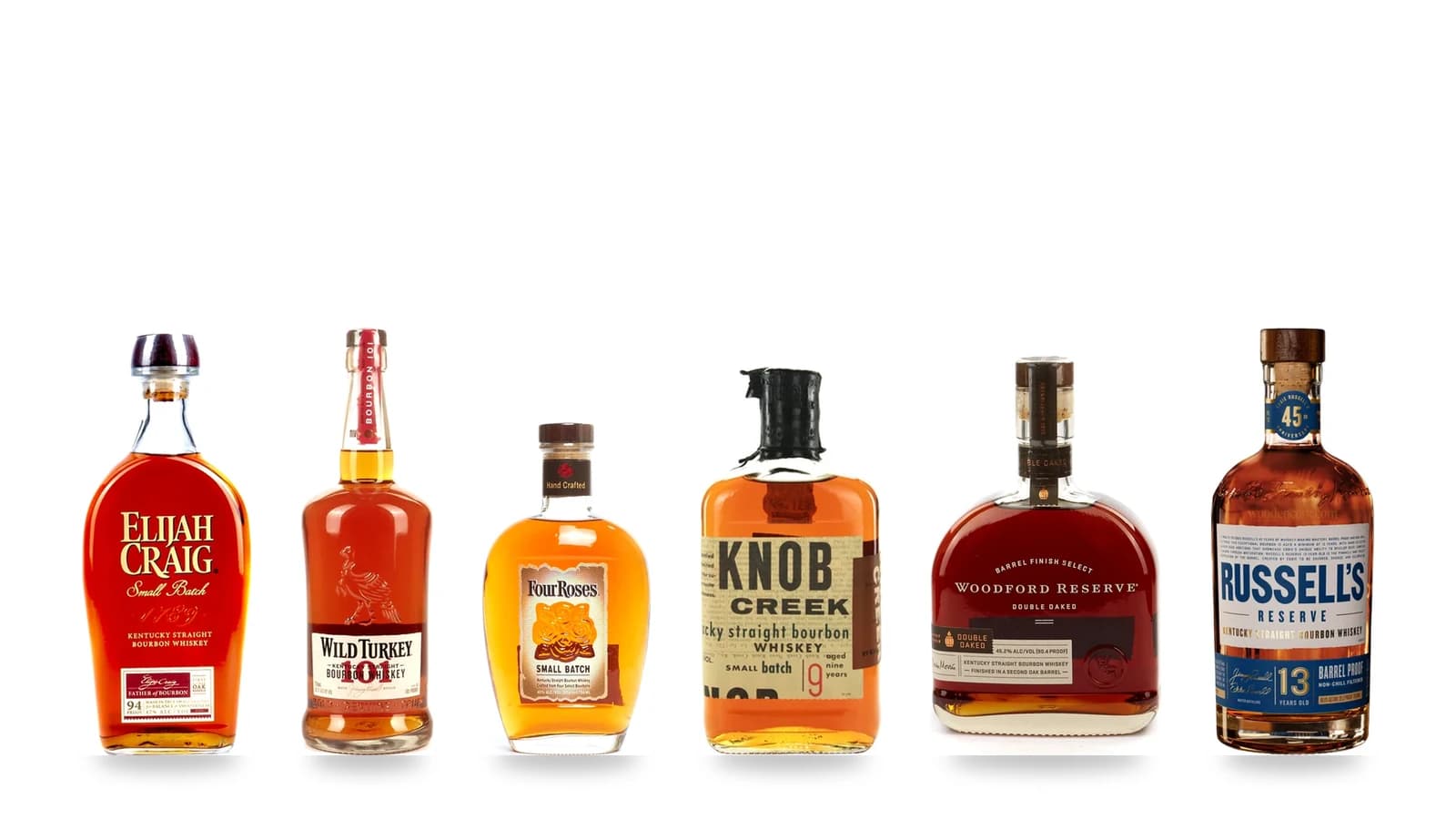
Elijah Craig Small Batch
Suits: A low-risk first pour to set beside a Speyside
Baked apple, cinnamon sugar, and a thread of maple over vanilla and toasted oak, with a dry, oak-firm finish from Heaven Hill's Level 3 char. At around $34 it is the easy way to put an American whiskey next to a single malt. It reads corn-sweet and oak-forward, so it will feel bolder than a refined Speyside on the first sip.
Explore in Digital Dram catalog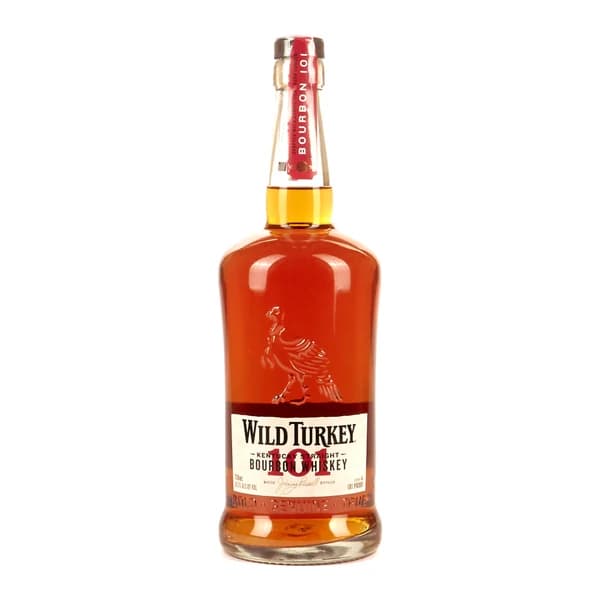
Wild Turkey 101
Suits: A punchy everyday pour against a blended Scotch
Bold honey, orange peel, and cracked black pepper at a full 101 proof, aged in the deepest alligator char. At around $25 it is the value hammer of this lineup. The high-rye spice makes it a brawler rather than a subtle sipper, which is exactly what you want in a side-by-side.
Explore in Digital Dram catalog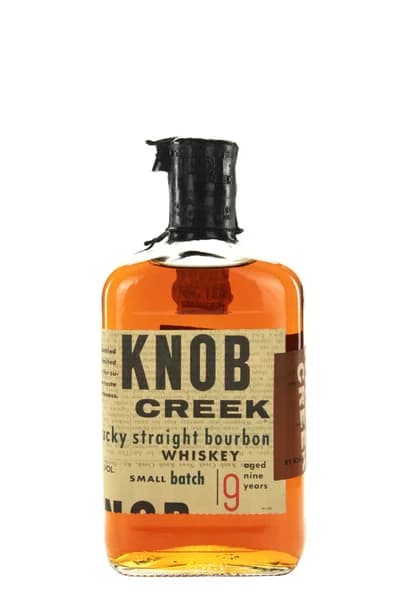
Knob Creek Small Batch 9 Year
Suits: Age and depth without the allocated price
Rich caramel, dried fruit, and charred oak into a long, warming finish that echoes a well-aged blended Scotch without the smoke. A stated 9 years at 100 proof for around $35 is the depth-per-dollar pick here. It leans sweet and heavy, so pace it against a lighter malt.
Explore in Digital Dram catalog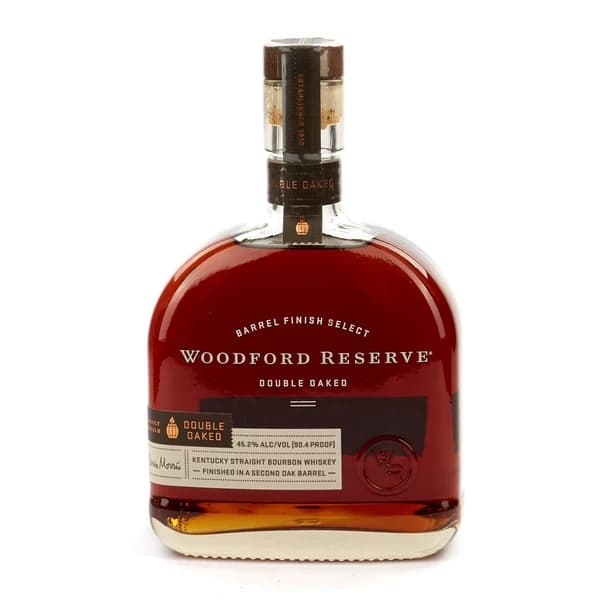
Woodford Reserve Double Oaked
Suits: A bridge bottle for cask-finish fans
Amplified vanilla, dark chocolate, and toasted coconut from a second, deeply toasted barrel, which borrows the cask-finish vocabulary a Scotch drinker already knows. At 90.4 proof it is soft and dessert-like. That softness is the trade: approachable, but not a high-intensity pour.
Explore in Digital Dram catalog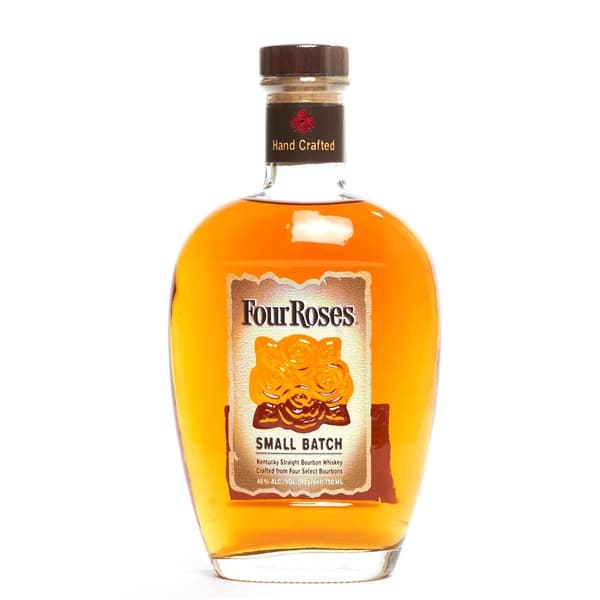
Four Roses Small Batch
Suits: A slow-sipping conversation starter
Ripe red berries, gentle floral notes, and a creamy mid-palate spice from Four Roses' multi-recipe blend. It is the most elegant and least aggressive of the classic set, which makes it the natural first bourbon for a Speyside fan. At 90 proof it stays gentle rather than bold.
Explore in Digital Dram catalogThe Barrel-Proof Argument
When the debate turns to cask strength, these two carry the American side.
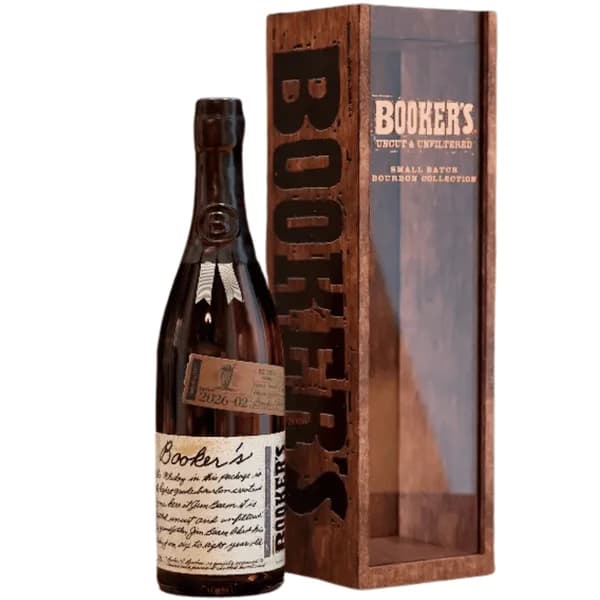
Booker's Bourbon Batch 2026-02 "Milkshake Batch"
Suits: A cask-strength duel with a single malt
Vanilla, oak, and rich caramel with a thick, dessert-like body at 124.4 proof, named for the bourbon-and-milkshake habit of Booker Noe. This is the bottle you pour to argue barrel-proof bourbon against a cask-strength single malt. It wants water or a rested palate, and Booker's batches swing, so this one may not drink like the last you liked.
Explore in Digital Dram catalog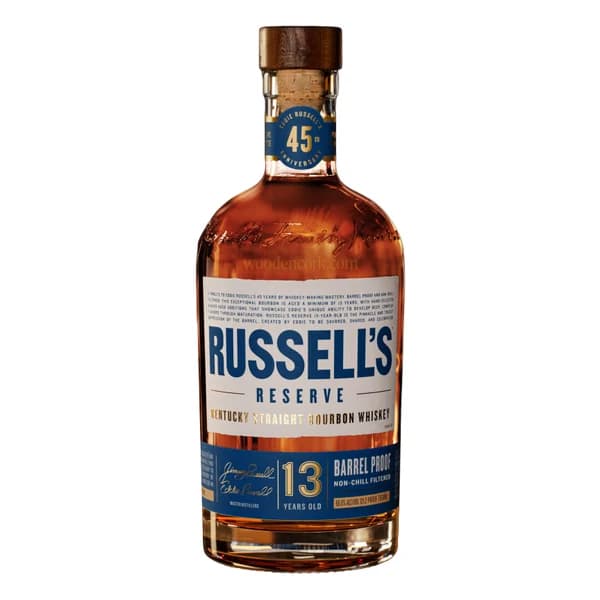
Russell's Reserve 13 Year Barrel Proof (Spring 2026)
Suits: The aged, barrel-proof answer to a 15-year malt
Vanilla and oak into brown sugar, coffee, orange peel, and dark cherry, with a long finish of caramel and oak tannin, bottled non-chill-filtered at 121.2 proof. The Spring 2026 release honors Eddie Russell's 45th anniversary. It is the bourbon that most directly answers an aged single malt, and at around $200 with limited allocation it is priced and stocked like one.
Explore in Digital Dram catalogThe Scotch in the Room
Every debate needs the other side present. For this weekend, it is the official whisky of the Championship.
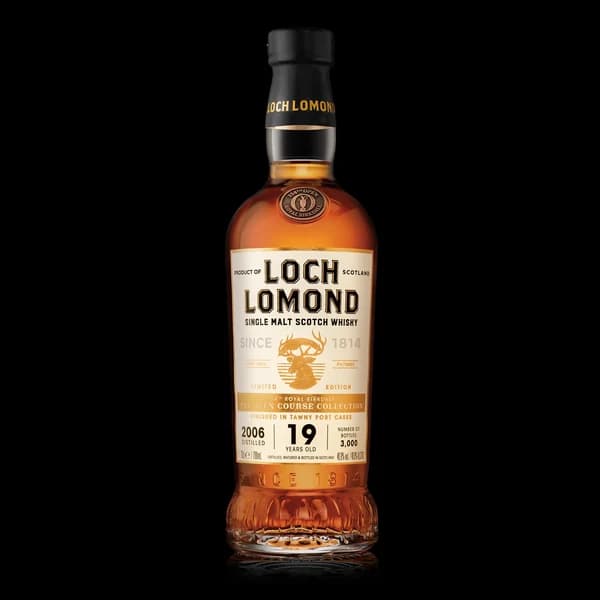
Loch Lomond The Open Course Collection 2026 (Royal Birkdale)
Suits: The on-theme pour that owns the weekend
Distilled in 2006 on Loch Lomond's straight-neck stills, matured in American oak and finished six months in Tawny Port casks: ripe red fruit, toasted oak, and warming spice over the distillery's signature honey and soft smoke. As the official whisky of The Open at Royal Birkdale it is the on-theme bottle, but it is limited to 3,000 bottles at around £195, so it is a collectible more than a nightly dram.
Explore in Digital Dram catalogThe Peated Question
Peat is Scotch's one weapon bourbon cannot answer. Smoky Islay malts like Laphroaig, Lagavulin, and Ardbeg produce flavors no American whiskey replicates, and for a links tournament on the coast, a peated dram simply fits the setting. Bourbon has no peat analog. What it has is heavy char and deeply toasted barrels that give smoke-adjacent notes without actual peat, and a heavily charred single-barrel pick gets closest. It is a different flavor, not a substitute.
The Scotch-Drinker's Bourbon
Scotch drinkers who try bourbon often start in the wrong place, because a standard Kentucky straight tastes sweet and oak-heavy next to a refined Speyside. The bourbons that land closest to a single-malt palate are the restrained, age-stated ones: a bottled-in-bond bourbon with real age, a sherry-finished American whiskey, or an American single malt, which is a different category but closer to what a Scotch drinker expects.
The Bourbon-Drinker's Scotch
Going the other way, a peated Islay can be a shock for a bourbon palate. Start softer instead: an American-oak-aged Highland malt, a sherried Scotch with forward sweetness like GlenDronach or Aberlour A'bunadh, or a heavily ex-bourbon-cask expression that keeps the vanilla and caramel a bourbon drinker already loves.
The Open Weekend Pour Plan
For a four-day Open:
- Thursday and Friday: a lighter bourbon neat, or a bourbon highball.
- Saturday: a peated Scotch for moving day, to match the links broadcast.
- Sunday: the head-to-head pour, then whichever category won for the closing stretch.
Around the Fairway
Open week arrives during a real correction in American whiskey. Kentucky distillers were sitting on a record 16 million aging barrels heading into 2025, and American whiskey exports fell 19% that year under retaliatory tariffs. The paradox for drinkers: that oversupply has made this one of the best moments in years to find quality bourbon at or near MSRP.1
The golf-and-whiskey rivalry is institutional now. Loch Lomond, the official spirit of The Open, launched its 2026 Open Course Collection in April, cementing Scotch's claim on golf's oldest major.2 On the other side, Elijah Craig is the official bourbon of the PGA Championship, and its brand partner, Scottish tour pro Bob MacIntyre, spent the spring calling on Scotch fans to swap a pour for bourbon.3 The aisle-crossing is the whole point of a side-by-side.
What to Avoid
Skip the "which is better" framing. It is the wrong question, because the categories do different jobs. And skip the cheapest bottle of either for a comparison, since a bottom-shelf pour does not represent its side.
Run a Blind Comparison
Compare bourbon and Scotch head to head with our blind tasting feature.
Start Blind TastingKeep Reading
Footnotes
More in Guides

The Ultimate Bourbon Heritage Month Flight: 30 Days, 30 Drams
The full 30-bottle lineup for our Bourbon Heritage Month flight: one pour a day through September, from $20 bottled-in-bond workhorses to the fall unicorns, with four blind tasting weekends along the way.

Best Coastal Sipping Whiskeys for The Open
American whiskeys that match the coastal rhythm of links golf. Single malts and coastal-climate bourbons with real maritime provenance.

Midseason Bottle Rankings: What's Earning Shelf Space in 2026
A midseason ranking of the 2026 bourbons worth keeping, the collectibles worth the splurge, and the releases earning a genuine repeat buy.