Best Coastal Sipping Whiskeys for The Open
American whiskeys that match the coastal rhythm of links golf. Single malts and coastal-climate bourbons with real maritime provenance.
On This Page
Got a tip? Know about an upcoming release, a shelf find, or industry news worth covering? Send it our way. We read every submission.
"Coastal" is the whiskey industry's most abused descriptor. Marketing slaps it on anything vaguely near the sea. The real thing, a salty minerality and a faintly maritime finish, belongs to a specific set of whiskeys that earned it through where they aged.
For The Open, played on links courses along the UK coastline, those are the bottles worth pouring.
Track your coastal finds
Start Your CellarWhat "Coastal" Actually Means in Whiskey
Coastal character is about the maturation environment. A barrel stored near the ocean takes in airborne salt and mineral through the semi-permeable oak. Over years the barrel chemistry shifts, and the whiskey can pick up a subtle salinity, a mineral mid-palate, and sometimes a faint brine on the nose.
Not every coastal-matured whiskey shows it. The effect depends on how open the warehouse is to the air, how close it sits to salt water, how long the barrel ages, and how porous the cask is. When it lands, the markers are consistent: a slight salinity on the finish, a mineral streak mid-palate, and a nose that can read of seaweed, brine, or damp rope. When a label leans on "coastal" without that provenance, it is marketing.
Scotches with Real Coastal Character
Scotland has the deepest coastal tradition, and for The Open its whiskies match the broadcast register. Islay distilleries like Laphroaig, Lagavulin, Ardbeg, and Bruichladdich stack peat smoke on top of coastal maturation, and the double effect is unmistakable. If you want the salt without the heavy smoke, the coastal Highland and island distilleries deliver it cleaner: Talisker on Skye, Oban on the west coast, and Old Pulteney up in Wick all wear the sea in the glass. Any of them is the on-theme import for a links Sunday.
American Single Malts Leaning Coastal
The American single malt category is young, but a few coastal distilleries are making whiskey that reflects where it aged. These are not bourbon. They are the American answer to coastal Scotch, and they belong on any Open bar that wants to cover the category beyond imports.
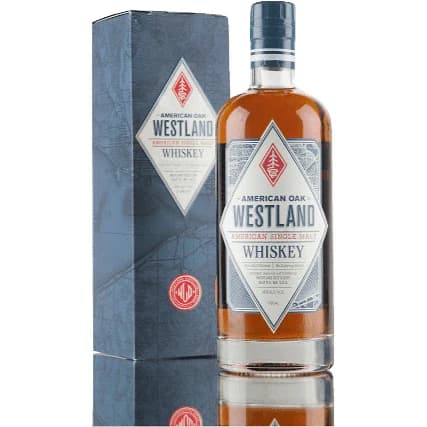
Westland American Oak Single Malt
Suits: The easiest entry point to American single malt
Custard, marionberry, and maple brittle on the nose into almond nougat, creme brulee, and black tea, built from five malt varieties matured at least three years in new and ex-bourbon American oak. Distilled in Seattle on Puget Sound, it is the most accessible coastal single malt and the closest American echo of a classic Scottish dram. It is malt-driven and gentle, so an Islay fan may find it soft.
Explore in Digital Dram catalog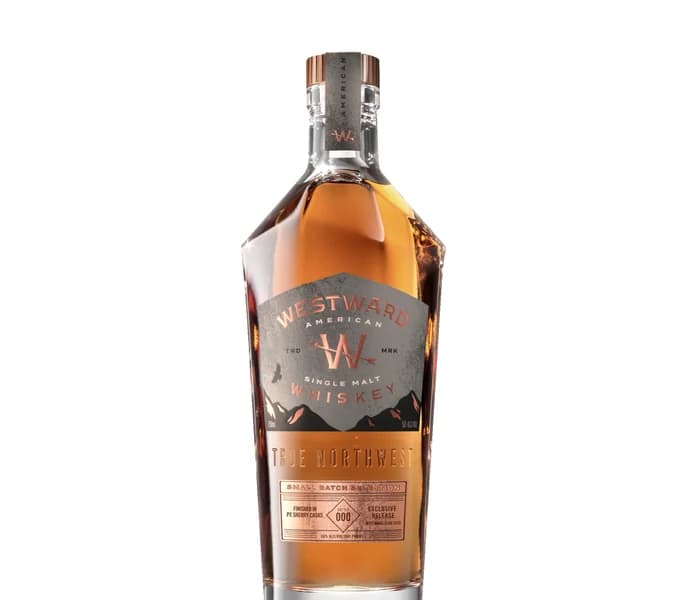
Westward Whiskey PX Sherry Cask (2026)
Suits: A sherried pour for a GlenDronach fan
Orange rind, oatmeal, and dried fig into orange syrup, chewy malt, raisin, and baking spice, a Portland single malt aged about five years then finished 20 months in Pedro Ximenez Naranja sherry casks. It is the American answer to a sherried Speyside. The catch is access: it is a whiskey-club release, so it is limited and not a shelf bottle.
Explore in Digital Dram catalog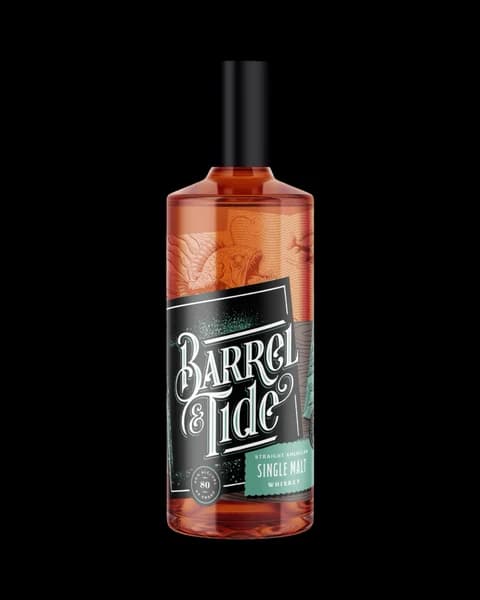
Barrel & Tide Straight American Single Malt
Suits: The most literally coastal pour on the list
Golden honey, butterscotch, and rich grain from a grain-to-glass single malt fermented, distilled, and aged on Astoria's working waterfront at the mouth of the Columbia, matured two to five years in new American oak. If any American whiskey earns the coastal label by geography, it is this one. It is young and small-production, though, and distribution runs mostly to Oregon, Washington, and online.
Explore in Digital Dram catalogCoastal-Climate Bourbons
Most bourbon ages inland, so coastal character is not native to the category. A few distilleries on the California coast and the Chesapeake age bourbon near salt water. Judge these on provenance and value more than on any overt brine in the glass.
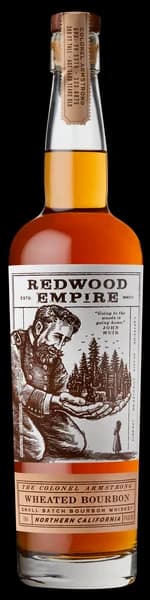
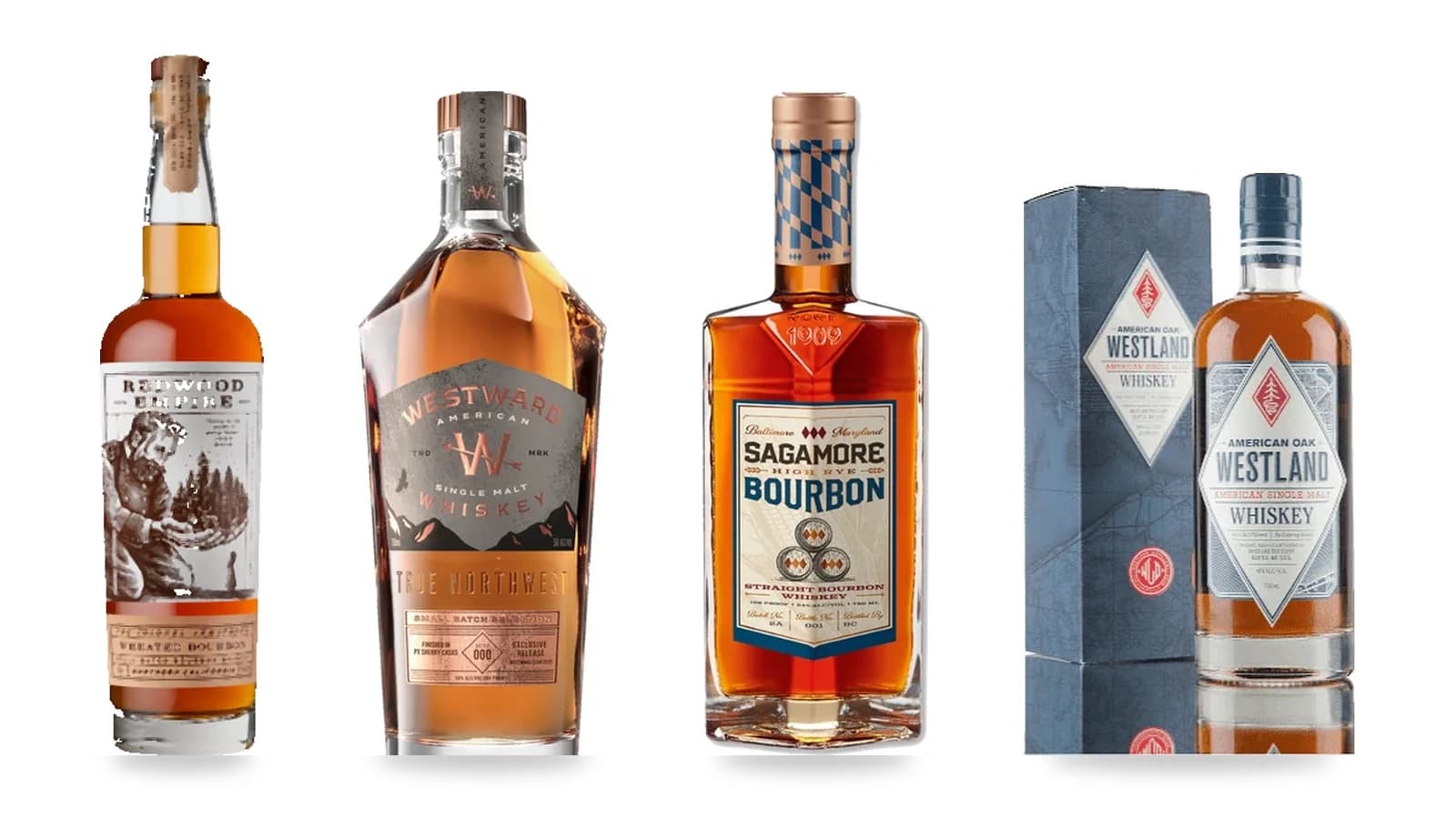
Redwood Empire Colonel Armstrong Wheated Bourbon
Suits: An approachable, sub-$40 coastal-California sipper
Stone fruit, honeyed grain, vanilla, and a nostalgic hint of strawberry jam over gentle baking spice, a high-wheat four-grain bourbon at roughly double the usual wheat content, marrying Redwood Empire's own Northern California spirit with 4-to-14-year Kentucky and Indiana barrels. It is named for the man who helped save the Armstrong Redwoods. At $39.99 it is the value pick here, though the coastal claim rests on the redwood-coast provenance more than any briny note.
Explore in Digital Dram catalog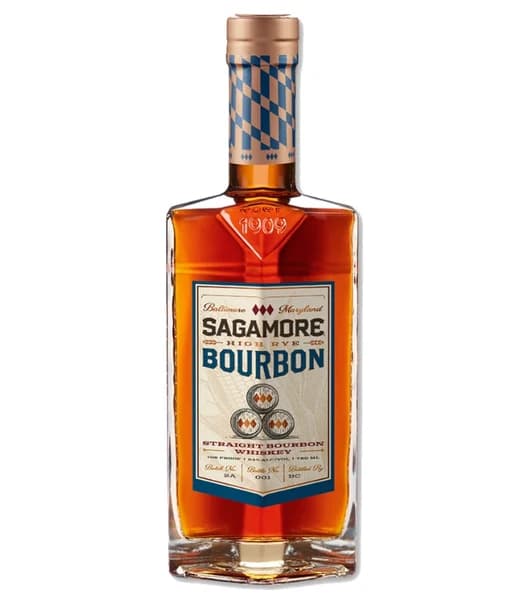
Sagamore Spirit High Rye Straight Bourbon
Suits: A waterfront bourbon that overdelivers at its price
Dark brown sugar, grilled peaches, and mixed berries into spiced vanilla, hazelnut toffee, and orange peel, a 6-year high-rye bourbon from Sagamore's five-acre waterfront distillery on the Baltimore harbor. It went national on July 1 at $50 and overdelivers for the money. The coastal case rests on the Chesapeake provenance rather than an overt saline finish.
Explore in Digital Dram catalogThe Pour Strategy
For The Open's final Sunday, build a coastal flight. Three glasses, one ounce each:
- An inland Kentucky straight bourbon, as the control.
- A coastal American whiskey from the list above.
- A coastal Scotch, an Islay peated or a coastal Highland.
Taste in that order. The gap between the inland bourbon and the two coastal pours is the whole point. Each coastal expression shows what the inland bottle lacks, and the inland bottle shows how far the others drifted from the Kentucky standard.
Pairing Coastal Whiskey to Food
The Open broadcasts through US afternoon hours, so the food skews toward dinner. Coastal whiskeys pair well with smoked salmon or cured fish, which meets the maritime nose, and with an aged cheddar or Stilton, where the salt in the cheese bridges to the salt in the glass. Oysters are the direct hit, especially against a peated Islay, and dark chocolate with sea salt is the obvious but effective closer. Steer clear of sweet dishes that bury the restraint, spicy food that runs over the subtlety, and heavy barbecue that clashes with the register. For more on pairing, see our bourbon flavor wheel guide.
What to Avoid
Skip any bottle that wears "coastal" in the marketing but does not actually mature near the coast. Read the distillery notes before you buy. And treat "ocean mist" or similar label poetry as a warning sign, usually manufactured character standing in for earned maturation.
Around the Coast
Loch Lomond enters its ninth straight year as the official spirit of The Open, and it marked Royal Birkdale with two limited editions: an Open Special Edition finished in Argentinian Malbec casks at around £45, and the 19-year Open Course Collection finished in Tawny Port casks, limited to 3,000 bottles at around £195. Both are Scotch imported from Scotland rather than domestic whiskey, so US buyers hunt them through the Loch Lomond site and specialist retailers.1
For American drinkers, the timing is a rare buyer's market. Kentucky's rickhouses were holding an estimated 16 million aging barrels heading into 2025, and the resulting oversupply has pushed more bottles to shelves at or near MSRP. New coastal releases from Redwood Empire and Sagamore landed at accessible prices right in time for the championship.2
The Purity Test
Not everyone loves coastal character. For some drinkers, salinity on the finish reads as a flaw. For others, it is the mark of maturation depth. The way to find where you sit: taste a coastal whiskey blind against an inland one of similar age and price, and note which glass you finish first. That is your answer.
Run a Coastal Blind Test
Compare coastal whiskeys against inland counterparts with our blind tasting feature.
Start Blind TastingKeep Reading
Footnotes
More in Guides

The Ultimate Bourbon Heritage Month Flight: 30 Days, 30 Drams
The full 30-bottle lineup for our Bourbon Heritage Month flight: one pour a day through September, from $20 bottled-in-bond workhorses to the fall unicorns, with four blind tasting weekends along the way.
Bourbon vs Scotch: The Open Championship Debate
The Open is Scotch country, but the bourbon case is stronger than most golf fans realize. A side-by-side breakdown for links golf weekend.

Midseason Bottle Rankings: What's Earning Shelf Space in 2026
A midseason ranking of the 2026 bourbons worth keeping, the collectibles worth the splurge, and the releases earning a genuine repeat buy.