Smoke and Char: Bourbon as a BBQ Pairing
Bourbon and barbecue share oak, smoke, and caramel. Matching the right profile to the right meat makes both taste better. Here is how to pair them.
On This Page
Got a tip? Know about an upcoming release, a shelf find, or industry news worth covering? Send it our way. We read every submission.
Bourbon and barbecue share a production method that most people never think about. Both rely on wood, heat, and time. Charred oak barrel interiors produce the same vanillin and caramel compounds that a 12-hour smoke session renders out of hickory and pecan. When you pair them at the table, those overlapping flavors lock together.
The pairing is not automatic, though. A peppery high-rye bourbon and a vinegar-based Carolina pulled pork occupy different corners of the flavor map. Getting the match right requires thinking about what each bourbon profile does alongside each cut of meat.
This is worth sharing with whoever tends the smoker in your life. Father's Day lands on June 15th this year, and a bottle matched to their preferred protein says more than a gift card.
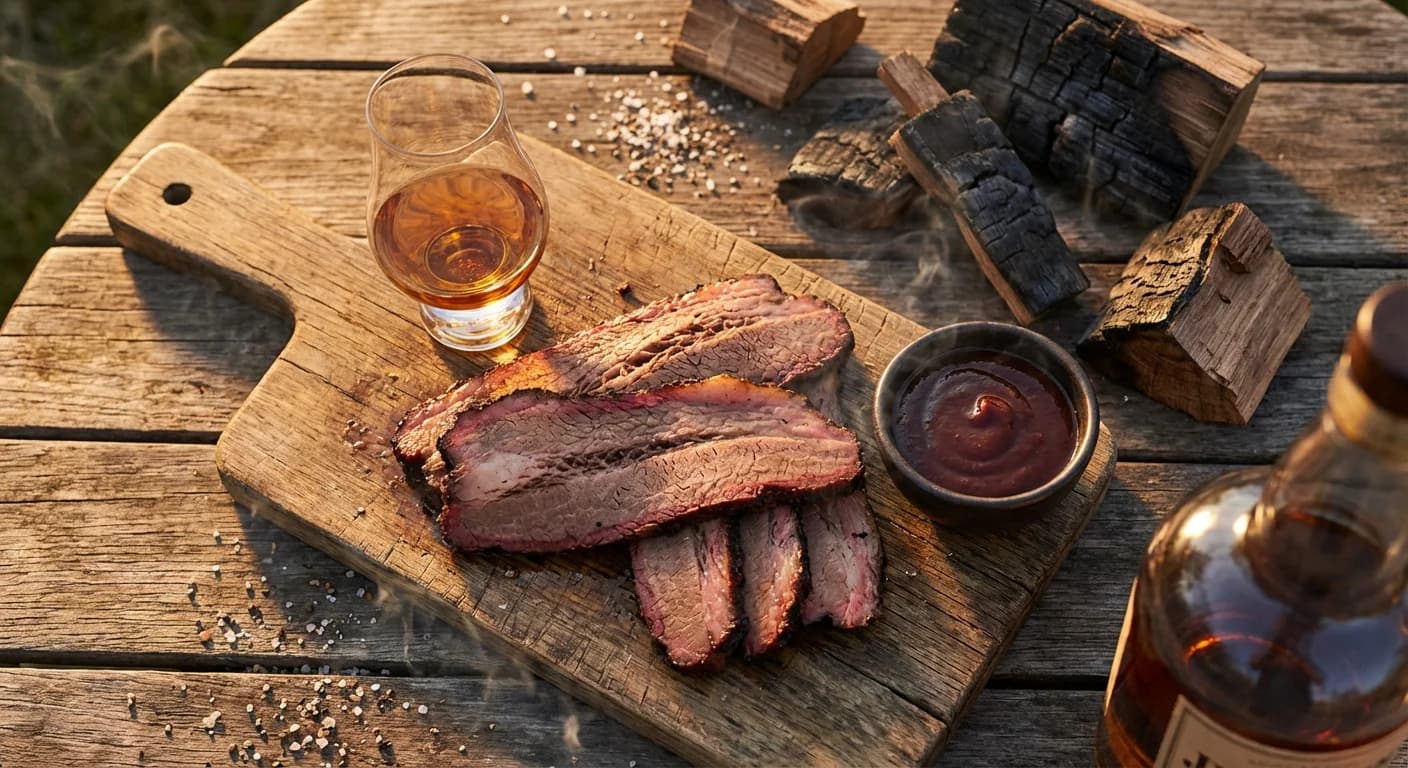
Brisket: Smoky, Oak-Forward Bourbons
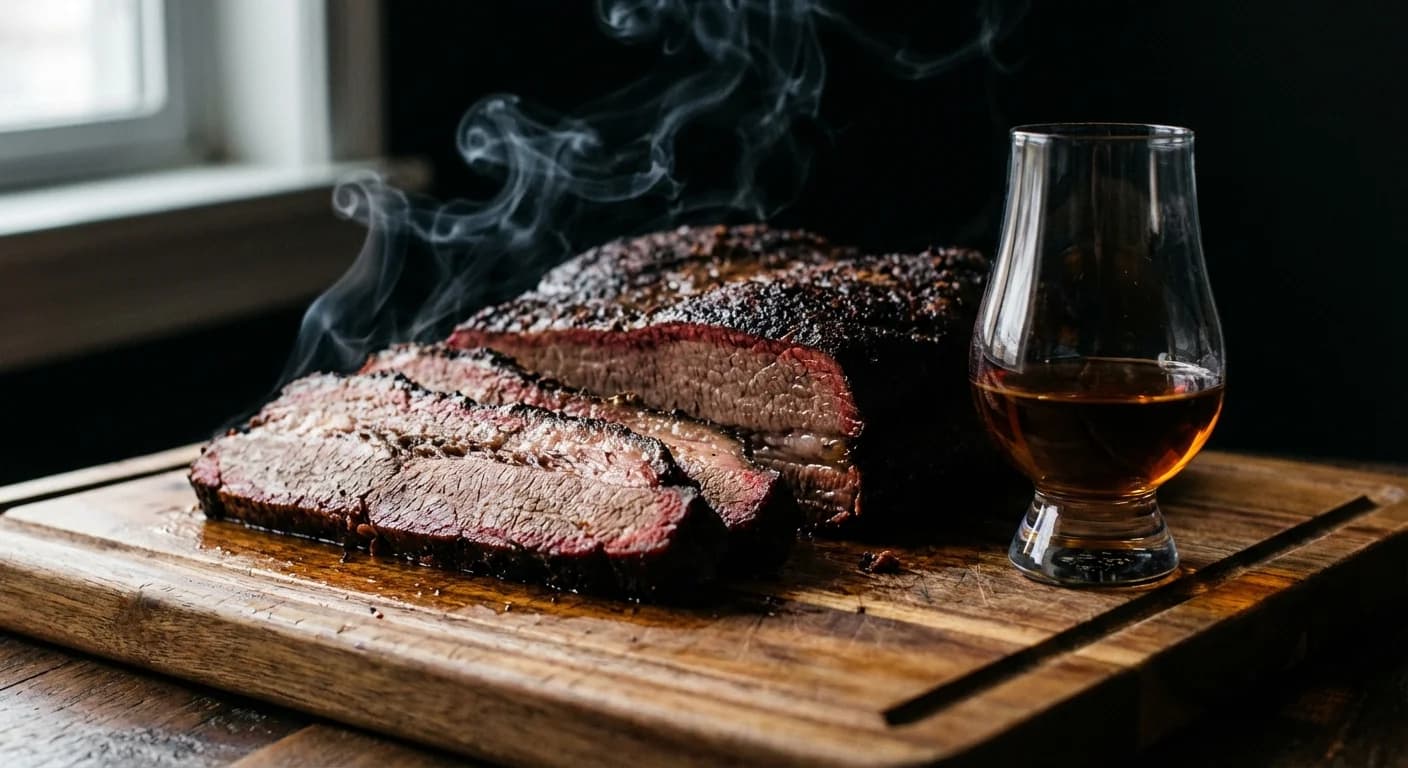
Brisket is the king of the smoker, and it demands a bourbon with weight. The rendered fat, the peppery bark, the deep beef flavor: all of it needs a spirit that can stand alongside without getting lost.
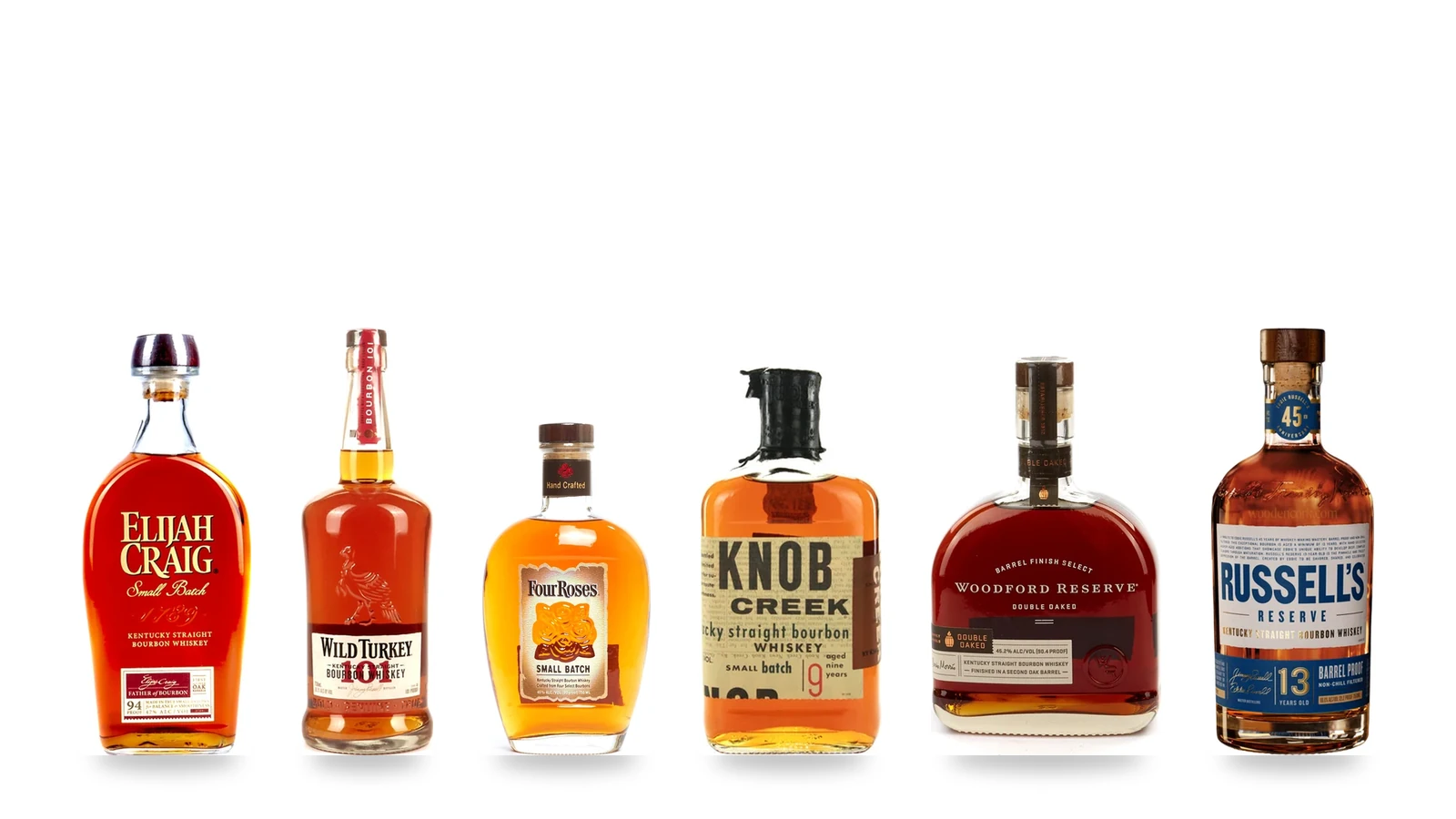
Reach for bourbons with pronounced oak and smoke character. Knob Creek 12 Year brings heavy char and dark caramel. Wild Turkey Rare Breed, with its blend of 6, 8, and 12-year barrels, delivers a tobacco-and-leather quality that mirrors the bark on a well-smoked point cut.
For a salt-and-pepper brisket (Texas style), the pairing is almost too easy. The bourbon's sweetness provides the contrast that the minimalist rub intentionally omits. With heavier rubs that include coffee or cocoa powder, dial back the bourbon's age. A younger expression like Wild Turkey 101 avoids layering too much roasted bitterness.
Ribs: Wheated Bourbons for Sweetness
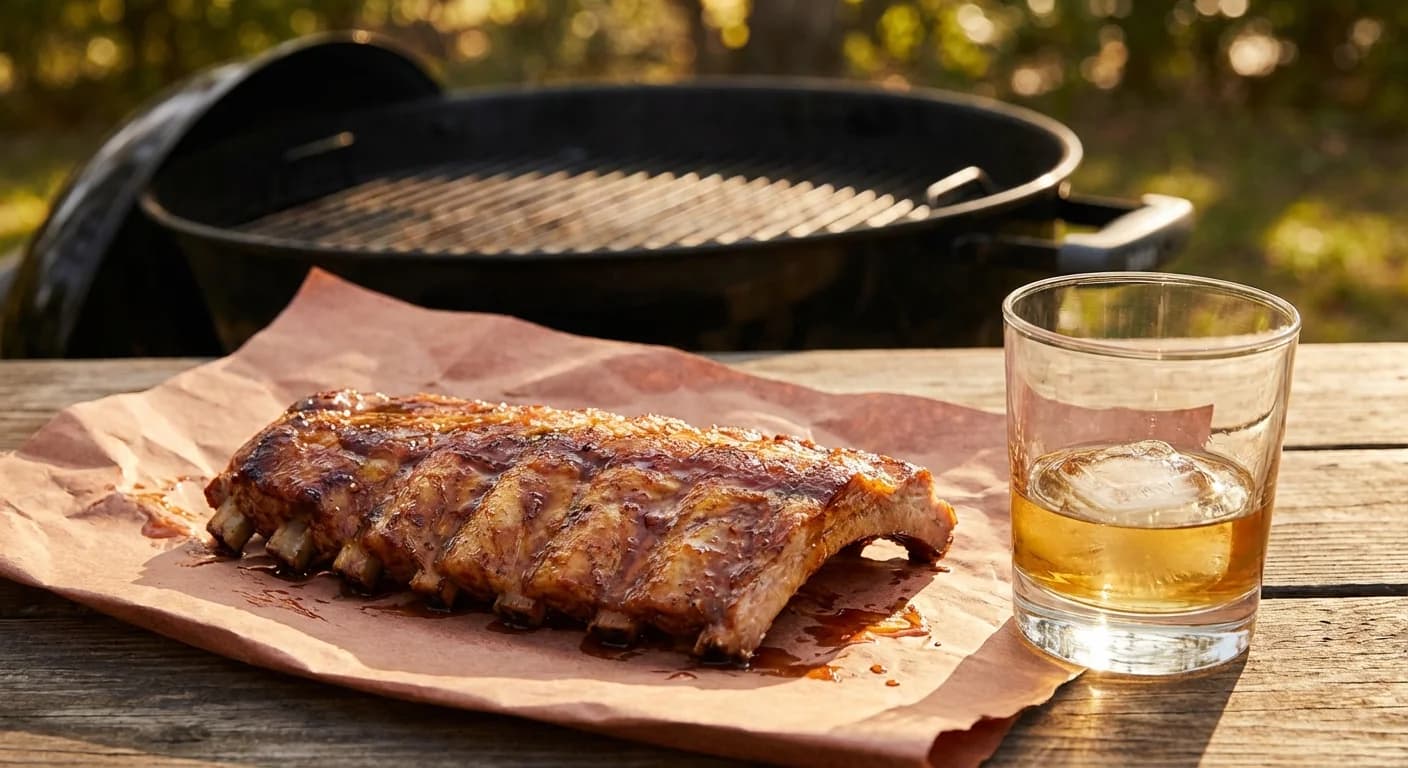
Baby backs with a brown sugar glaze or a Kansas City-style sweet sauce want a bourbon that leans into sweetness rather than fighting it. Wheated bourbons fill that role.
Maker's Mark 46 is the straightforward pick. The extra staving adds baking spice and caramel that echo a good glaze. Weller Special Reserve, if you can find it at retail (and that is a real "if"), offers a softer, more vanilla-forward profile that works with both sweet and mustard-based sauces.
Larceny is the accessible option here, widely available and priced to pour freely at a cookout without any regret.
Spare ribs with a vinegar mop need a different approach. The acid in the sauce clashes with wheated softness. Switch to a bottled-in-bond expression like Old Grand-Dad 114 or Evan Williams Bottled-in-Bond, where the higher proof and rye spice can cut through the tang.
Track your pairing notes
Join Digital DramPulled Pork: High-Rye Bourbons
Pulled pork is rich, fatty, and often sauced heavily. It needs a bourbon that cuts through the weight rather than adding to it. High-rye mashbills deliver that edge.
Four Roses Single Barrel (the OBSV recipe, specifically) brings enough rye spice and herbal character to act as a palate reset between bites. Bulleit, at 28% rye in the mashbill, is another strong match that is easy to find.
The traditional Eastern Carolina vinegar-and-pepper sauce creates an interesting pairing challenge. The acidity wants something with backbone but not too much barrel sweetness. Old Forester 100 threads that needle: enough proof to hold up, enough restraint to not clash.
One caveat that matters here. Barrel-strength bourbons and spicy rubs create a compounding heat problem. A pork shoulder rubbed with cayenne and chipotle, paired with a 130-proof bourbon, overwhelms the palate. Both the food and the whiskey lose their detail. Save the barrel proof for milder preparations.
Smoked Chicken: Lighter, Younger Expressions
Chicken is the lightest protein on the smoker, and it needs a bourbon that does not bulldoze the delicate smoke flavor. Younger expressions (4-6 years) with moderate proof work here.
Buffalo Trace is the go-to recommendation. At 90 proof with a balanced profile of vanilla, honey, and light oak, it complements smoked chicken without dominating. Evan Williams Single Barrel, usually around 7 years old, adds a touch more complexity while staying in the right weight class.
For beer-can chicken or anything with a citrus brine, try Basil Hayden's. The extra rye in the mashbill adds herbal notes that play off the citrus, and the lower proof (80) keeps the pairing light.
Building the Table
If you are setting up a spread with multiple meats, put out two or three bourbons and let people experiment. A wheated option, a high-rye option, and something oak-forward covers the range. Label them with their tasting profile rather than their name. "Vanilla and caramel" and "pepper and spice" are more useful prompts than brand names when people are figuring out what they like.
Set out a pitcher of water and some plain crackers. Palate fatigue is real when you are alternating between smoke, sauce, and whiskey for several hours. A sip of water and a bite of something neutral between rounds makes the fifth pairing taste as clear as the first.
Find pairing-ready bottles
Browse CatalogMore in Guides
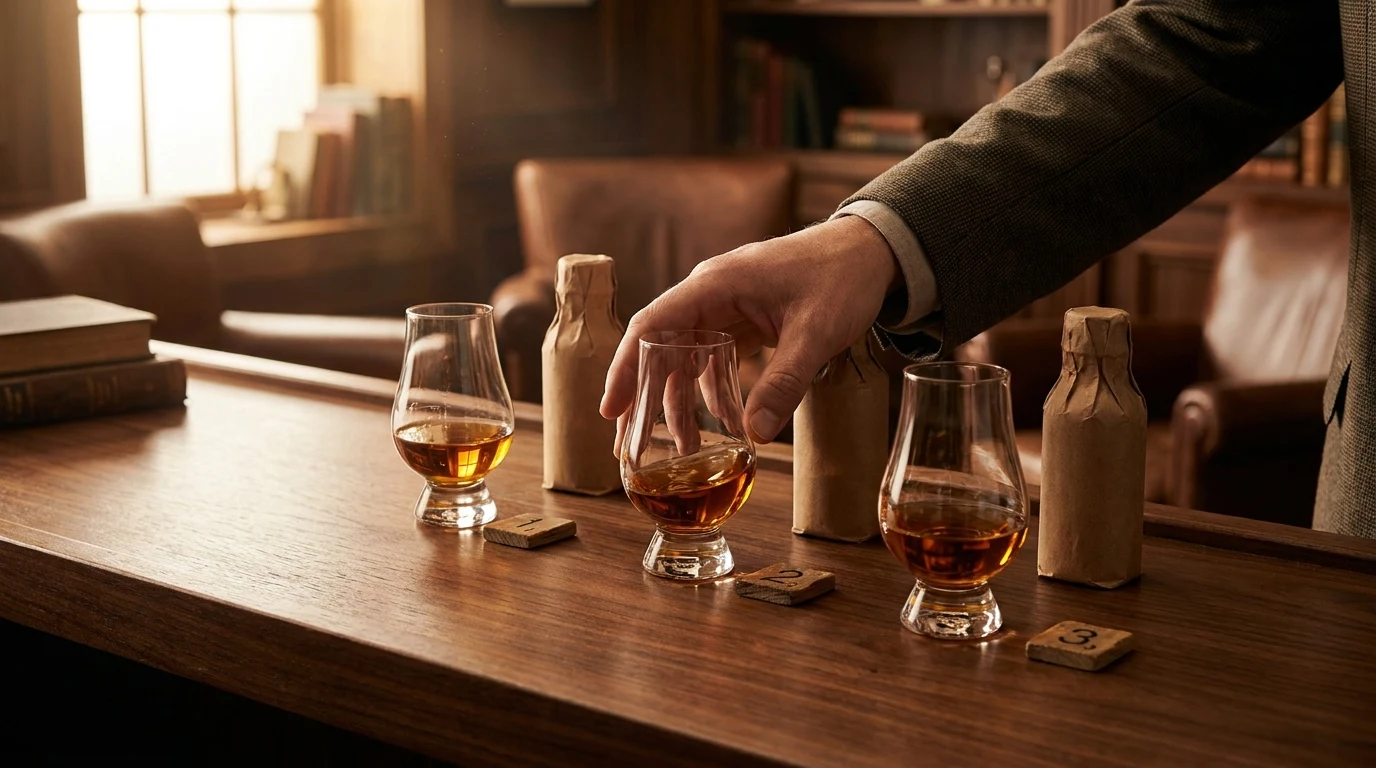
The Ultimate Bourbon Heritage Month Flight: 30 Days, 30 Drams
The full 30-bottle lineup for our Bourbon Heritage Month flight: one pour a day through September, from $20 bottled-in-bond workhorses to the fall unicorns, with four blind tasting weekends along the way.

Best Coastal Sipping Whiskeys for The Open
American whiskeys that match the coastal rhythm of links golf. Single malts and coastal-climate bourbons with real maritime provenance.
Bourbon vs Scotch: The Open Championship Debate
The Open is Scotch country, but the bourbon case is stronger than most golf fans realize. A side-by-side breakdown for links golf weekend.