The Ultimate July 4 Bourbon Flight for America's 250th
Four bottles, one pour order, and the history behind them: a bourbon tasting flight for July 4 as the country marks its 250th year.
On This Page
Got a tip? Know about an upcoming release, a shelf find, or industry news worth covering? Send it our way. We read every submission.
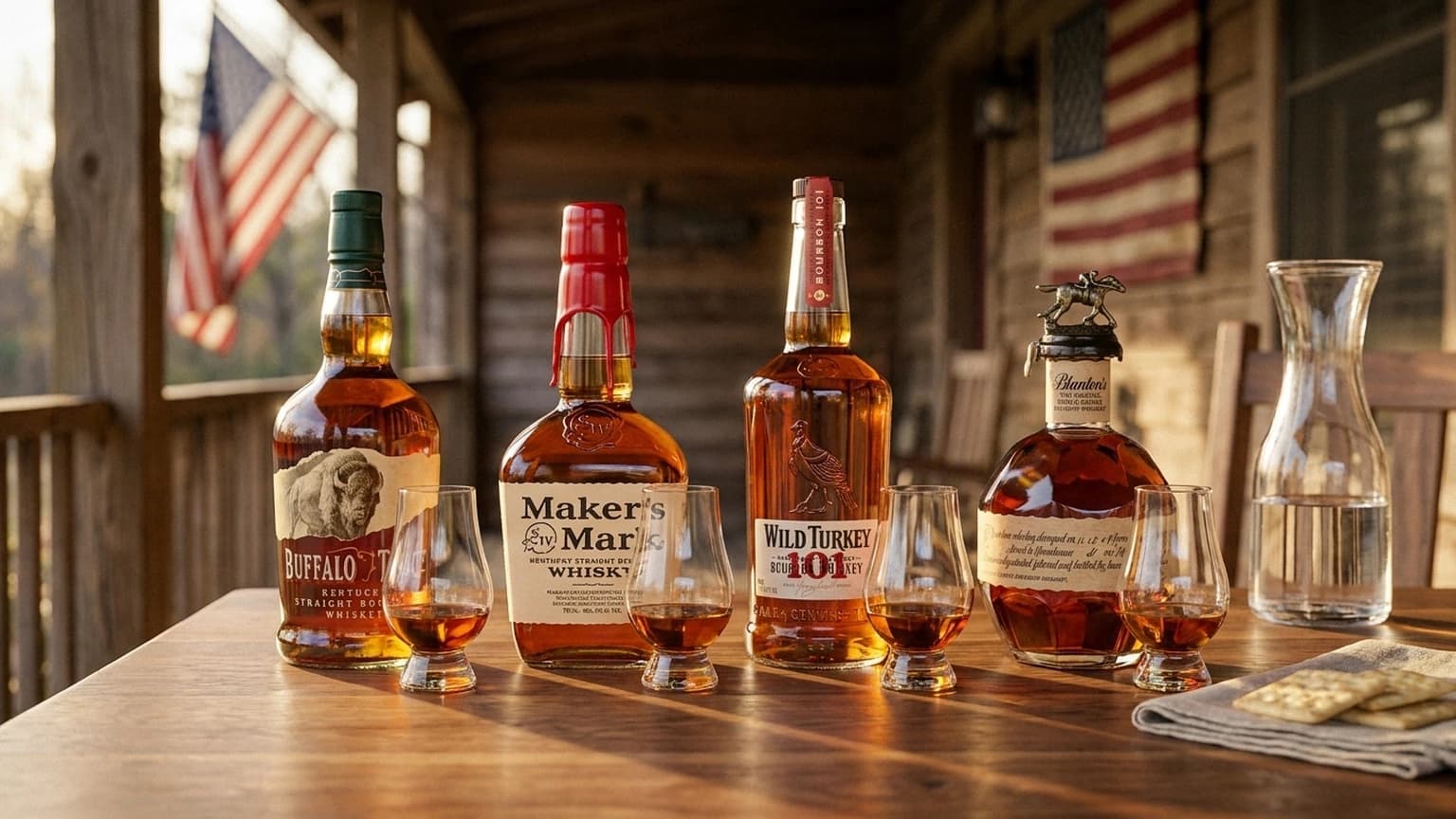
Four glasses, four pours, one folding table on the back porch. That is the whole setup for a July 4 bourbon flight, and it works better than most people expect from something this simple. You do not need a bar cart or a somm's vocabulary. You need four bottles chosen with a little intention and about ninety minutes with people who will actually talk about what is in the glass.
Bourbon earns its place at this table honestly. It is the only spirit Congress has formally recognized as American, and this year the country marks 250 years since independence. That is a good excuse to pour something with a real paper trail behind it, not a reason to treat the glass as a flag. Digital Dram exists to help you track what you pour, compare notes with people who pour differently, and enjoy the whole thing responsibly. This flight is built for that: four bottles, a clear pour order, and a little of the history that got bourbon here. Sip responsibly, and only if you are 21 or older.
Why Bourbon Gets to Claim This Day
Bourbon's origin story runs through Kentucky in the late 1700s, when farmers with a corn surplus and no easy way to move it downriver started distilling and aging it in charred oak barrels during the trip to market.1 Treat that as tradition rather than settled history. Nobody signed a patent, and no single distiller invented bourbon in one afternoon. What is documented is the legal outcome: on May 4, 1964, Congress passed a concurrent resolution declaring bourbon a "distinctive product of the United States."2 No other spirit carries that designation. Scotch belongs to Scotland by law, Cognac to a region in France, and bourbon belongs, on paper, to the country having its 250th birthday this year. Congress had already put its thumb on the scale once before: the Bottled-in-Bond Act of 1897 made federally supervised, 100-proof whiskey a government-backed guarantee of authenticity, one of the oldest consumer-protection laws still on the books.3
The federal standard is specific, not marketing copy. Bourbon must be made in the USA, from a mash bill of at least 51% corn, distilled to no more than 160 proof, entered into new charred oak containers at no more than 125 proof, and bottled at no less than 80 proof, with no added color or flavoring. "Straight" bourbon carries at least two years of aging; anything under four years needs an age statement on the label. None of that requires Kentucky, though most bourbon still comes from there. If any of this is new to you, Bourbon 101 is a good place to build the rest of the vocabulary before the flight.
The Wheated Cornerstone
Most bourbon leans on rye for its second grain, the source of that familiar pepper and baking-spice bite. A smaller group swaps in wheat instead, and the result is softer, rounder, and easier to hand someone who swears they do not like whiskey.
What Wheated Actually Means
Every bourbon is at least 51% corn. The rest of the mash bill is where distillers make their mark. Most reach for rye, which brings spice and structure. A wheated bourbon uses wheat in that slot instead, trading pepper for a gentler, bread-and-honey softness. Maker's Mark helped make the style famous, and it remains the reference point for what wheated tastes like.
Putting a wheated bourbon in the flight gives the table a clear point of contrast. Pour it next to a rye-forward bottle and the difference shows up in a single sip, which is exactly the kind of comparison a flight is built to draw out.
Track your flight as you pour
Start a free accountThe Flight
Pour these in order, light to intense, and give each one a few minutes before moving to the next: Buffalo Trace to open, Maker%27s Mark for the wheated turn, Wild Turkey 101 for the step up, and Blanton%27s to close.
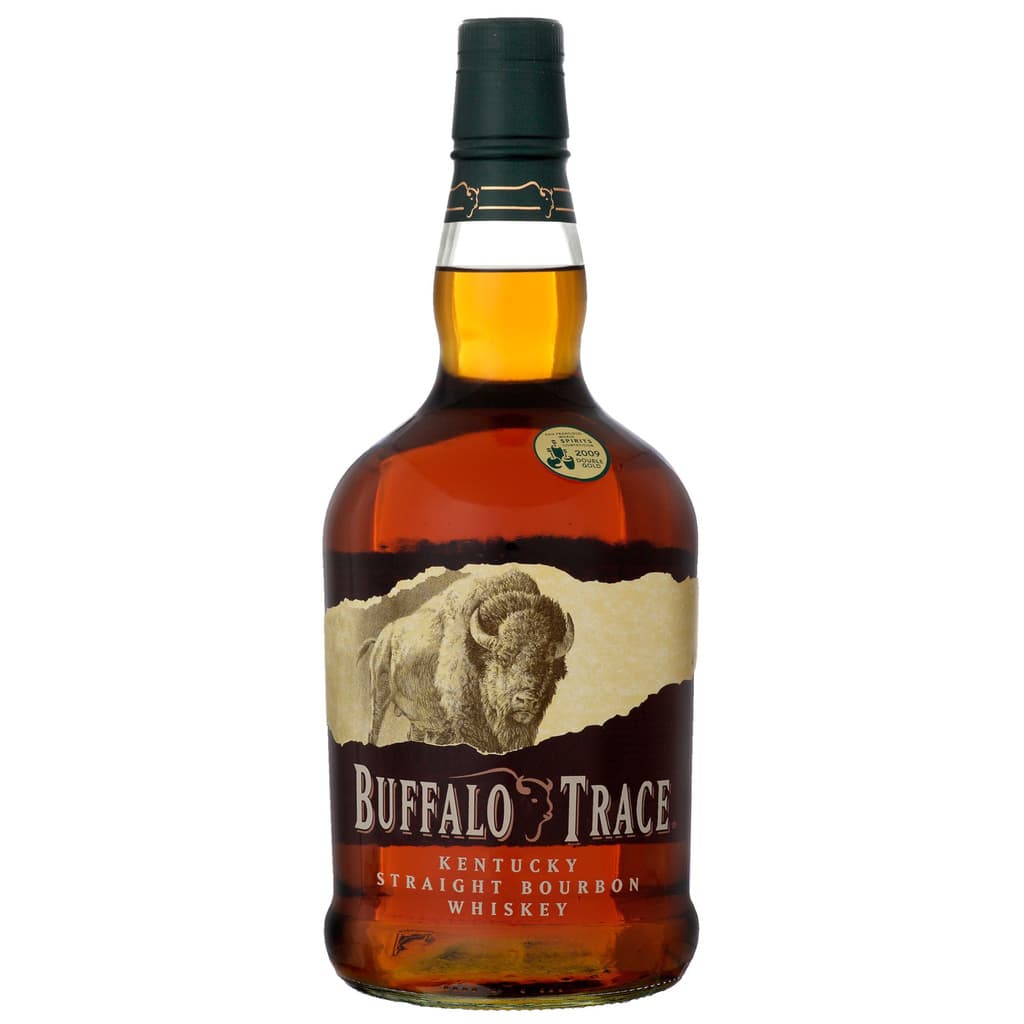
Buffalo Trace
Suits: Opening pour, newer drinkers
This is the pour that sets expectations for the rest of the flight: brown sugar, vanilla, a little orchard fruit, nothing aggressive. It also happens to be the hardest bottle on this list to find on a shelf some months, allocated tight enough in certain markets that a store clerk might just shrug at you. Check your Watchlist before you make a special trip for it.
Explore in Digital Dram catalog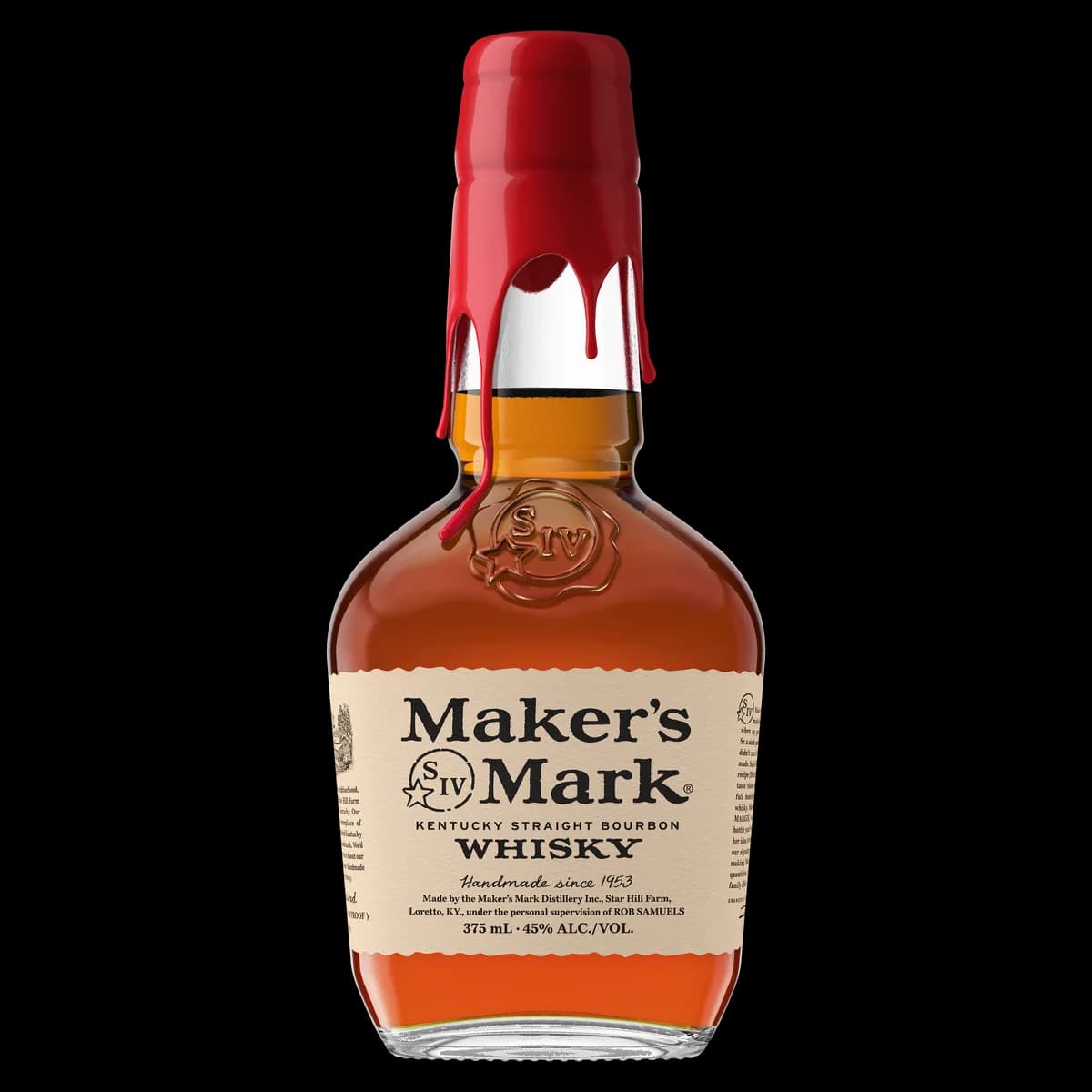
Maker's Mark
Suits: The wheated turn, softer palates
This is the flight's change of direction. Maker's swaps the usual rye for soft red winter wheat, and you taste it right away: caramel, vanilla, and a little baked bread where a rye-forward bourbon would bring pepper. The hand-dipped red wax is one of the most recognizable sights in American whiskey, and the pour underneath earns it. At 90 proof it stays gentle on purpose, a deliberate breather before the flight steps up.
Explore in Digital Dram catalog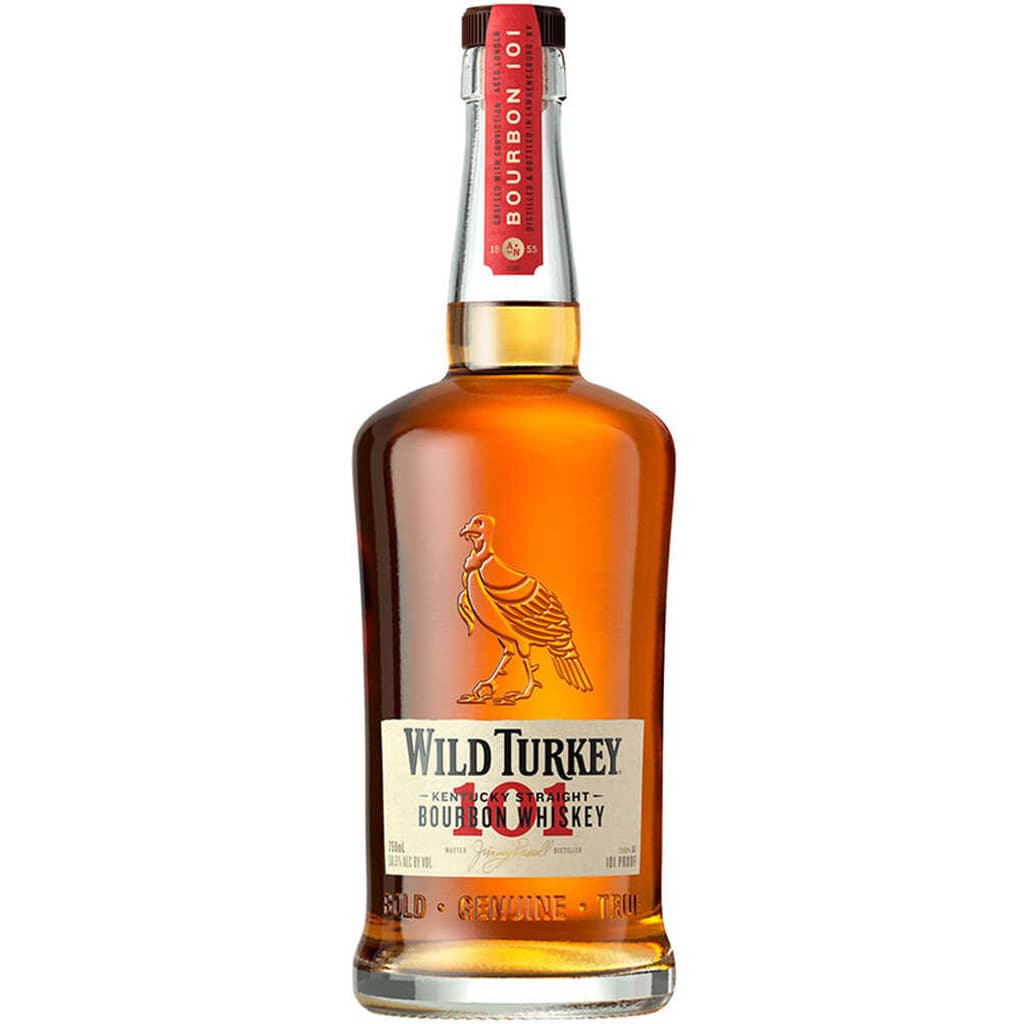
Wild Turkey 101
Suits: The step up in intensity
Eleven proof points above the Maker's pour, and it drinks like more than that. Honey and black pepper arrive fast, and the finish runs longer and drier than either bottle before it. After the soft wheated turn, this is the pour where people at the table usually start comparing notes out loud instead of just nodding.
Explore in Digital Dram catalog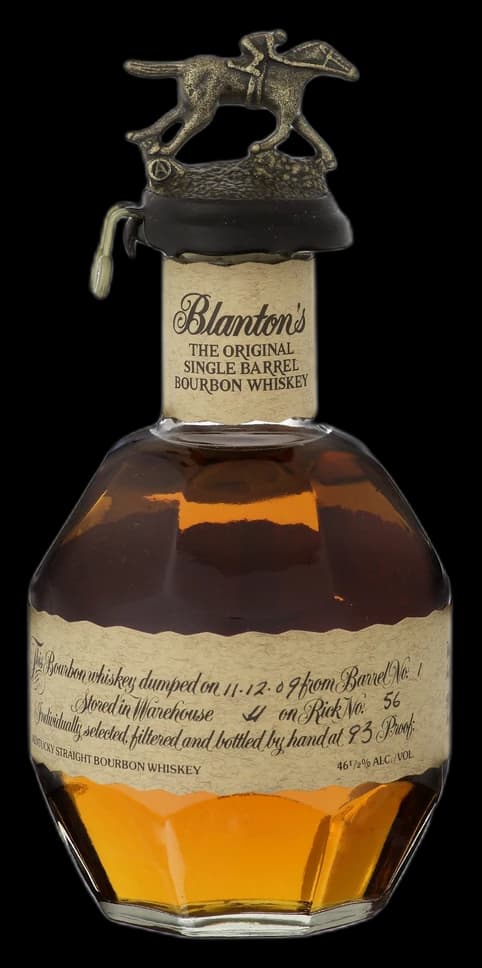
Blanton's Original Single Barrel
Suits: The special-occasion closer
Every bottle is dumped from a single barrel, hand-labeled with its barrel and rick number, and topped with one of eight collectible horse-and-jockey stoppers. It closes the flight on caramel, dried orange, and a warm baking-spice finish that lingers. Fair warning: Blanton's runs allocated, so it can be hard to find and easy to overpay for. Add it to your Watchlist and let it come to you rather than chasing it, and if you already have a personal favorite worth saving, close with that instead.
Explore in Digital Dram catalogA note on pricing and availability
Prices here vary by state, by store, and by local tax structure, and none of it is guaranteed to match what you see when you actually go looking. Buffalo Trace in particular runs allocated in some markets, meaning a given store may simply not have it in stock on a given week. Add bottles to your Watchlist so you catch them when they show up rather than chasing them cold.
Running the Tasting Itself
Four glasses, four pours of about half an ounce each, water on the side. Move through the flight light to intense and let people sit with a bourbon before rushing to the next one. Somebody usually flips on the wheated pour, softer than they expected or exactly the opposite of what they wanted; that reaction is the whole point of putting it in the middle. If you want the group comparing more than just adjectives, log each pour in Bourbon DNA and see where everyone's palate actually lands once the tasting notes are side by side.
America's 250th gives this particular July 4 a little extra weight, and a flight built around a spirit Congress actually named "American" fits the occasion without needing a flag on the label. It is also just a good excuse to get four bottles on a table and compare them properly, which is reason enough on its own. Kentucky's bourbon industry is estimated at roughly $10.4 billion in annual economic impact, per the Kentucky Distillers' Association,4 even as 2026 brings softer sales and a general plateau across the category. That backdrop is exactly why a flight like this, built on value and history rather than chasing the newest allocated release, makes sense this year.
If you host regularly, keep a running list of what worked. Add each bottle to your Cellar after the tasting so you remember which pour got the best reaction next time, and start planning your next flight before the current one is even finished.
Build Your Own July 4 Flight
Log each pour in Digital Dram and see exactly how it fits your palate, not just the group's.
Join FreeBourbon has a genuinely unique place in American history, and this flight is a way to taste that history rather than just read about it. Pour it with people you like, keep the servings honest, and enjoy it responsibly. You have to be 21 or older to raise a glass to any of this.
Footnotes
More in Guides
The Ultimate Bourbon Heritage Month Flight: 30 Days, 30 Drams
The full 30-bottle lineup for our Bourbon Heritage Month flight: one pour a day through September, from $20 bottled-in-bond workhorses to the fall unicorns, with four blind tasting weekends along the way.

Best Coastal Sipping Whiskeys for The Open
American whiskeys that match the coastal rhythm of links golf. Single malts and coastal-climate bourbons with real maritime provenance.
Bourbon vs Scotch: The Open Championship Debate
The Open is Scotch country, but the bourbon case is stronger than most golf fans realize. A side-by-side breakdown for links golf weekend.