Bourbon & BBQ: Easy Ways to Use Your Weekend Whiskey
Turn the bourbon left over from the 4th into a glaze or marinade. Two recipes, a pairing guide, and which bottle to actually cook with.
On This Page
Got a tip? Know about an upcoming release, a shelf find, or industry news worth covering? Send it our way. We read every submission.
The bottle from the 4th is sitting at a third full. Not empty enough to toss, not full enough to feel like a fresh pour every time you walk past it. That's the exact amount you need for a glaze.
Bourbon and barbecue share a flavor vocabulary before either one touches the other. Char, caramel, vanilla, a little smoke: barrel aging produces the same compounds that a slow cook produces in meat. Put the two together in a saucepan instead of a glass, and you get a shortcut to flavors that would otherwise take hours over coals.
Track what's left in your cellar
Join Digital DramWhy Bourbon Works in a Glaze or Marinade
Brown sugar and vanillin already exist in bourbon before you add a single other ingredient. That's what a charred new oak barrel does to raw spirit over years: it pulls out sugars, toasts them, and leaves behind caramel and vanilla notes that layer directly onto a BBQ sauce base. Ketchup and brown sugar alone taste one-note. Add two ounces of bourbon and the sauce gets a smoky backbone that mimics what a smoker does over four hours, in about fifteen minutes on the stove.
The proof matters more than the price tag here. A rye-forward or high-proof bourbon holds up against simmering better than something delicate, because there's more going on underneath the sweetness to survive the reduction.
There's a practical reason this matters more the week after the 4th than any other time of year. Cookout bottles get opened for a crowd, poured generously, and left with an odd amount at the bottom: too little to be worth putting back in the cabinet for a special pour, too much to pour down the drain without a second thought. A glaze or marinade is exactly the right use for that middle amount. It's not a consolation prize for a half-finished bottle. It's the better use of it.
Quick Bourbon BBQ Glaze
This one comes together while the grill preheats. Ratios below make enough for a rack of ribs or four chicken thighs.1
Ingredients
- 1/2 cup bourbon
- 1/2 cup ketchup
- 2 tablespoons tomato paste
- 3 tablespoons brown sugar
- 1 tablespoon Dijon mustard
- 2 tablespoons honey
Method Combine everything in a small saucepan over medium heat. Bring to a simmer, then drop the heat to low and let it reduce for 12-15 minutes, stirring occasionally so the sugar doesn't scorch on the bottom. It's ready when a spoon dragged across the pan leaves a clear trail for a second before the sauce closes back in. Brush it on during the last 10 minutes of cooking rather than at the start: sugar burns fast over direct heat, and a glaze applied too early turns bitter before the meat finishes.
Brown Sugar Bourbon Marinade
Built for steak, chicken thighs, or a pork shoulder that has 8-12 hours to sit before it hits the smoker.2
Ingredients
- 1/3 cup bourbon
- 1/4 cup brown sugar
- 2 tablespoons balsamic vinegar
- 3 tablespoons olive oil
- 3 cloves garlic, minced
- 1/2 teaspoon red pepper flakes
Method Whisk everything together until the sugar mostly dissolves. Pour over the protein in a resealable bag or shallow dish, and refrigerate for at least 4 hours, ideally overnight. Pull the meat out 20-30 minutes before cooking so it isn't cold in the center. Discard the used marinade or boil it separately for at least 5 minutes if you want to reuse it as a basting liquid; raw marinade that touched raw meat is not a finishing sauce.
A note on pricing and availability
Prices for bourbon vary by state, store, and local taxes, and some bottles referenced below are allocated in certain markets. Treat every price range here as approximate, not a guarantee of what you'll find on a shelf this week.
Pairings: What to Pour Alongside What You're Cooking
Cooking with bourbon and drinking bourbon with the same meal are two different decisions, and they call for different bottles.
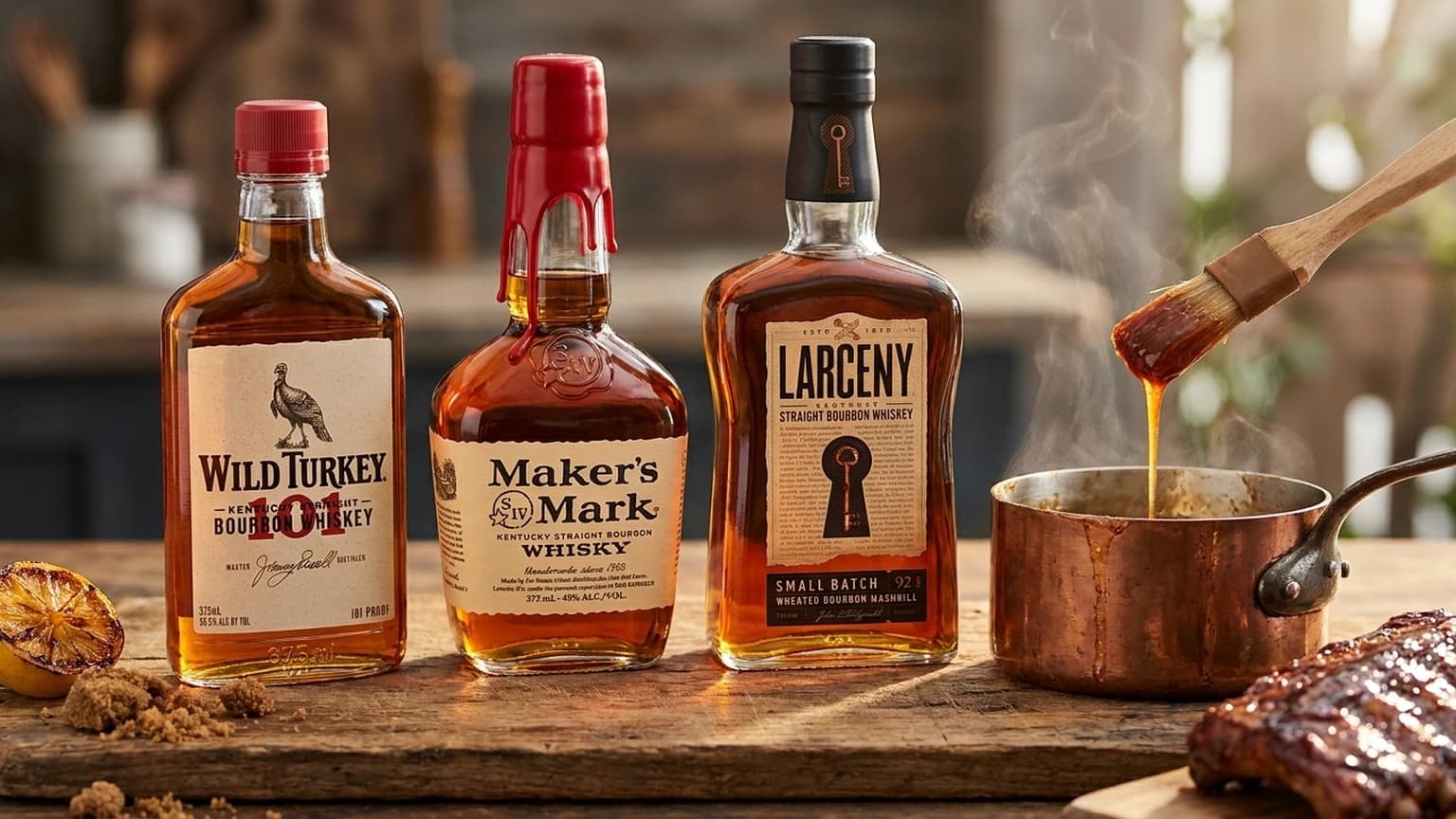
Brisket wants a high-rye bourbon in the glass. The pepper and spice in a rye-forward mash bill cut through rendered fat instead of adding more sweetness on top of an already rich cut. Wild Turkey 101, at 101 proof, has enough backbone to stand next to a well-smoked point cut without disappearing.
Pulled pork, especially anything sauced with brown sugar or honey, leans better toward a wheated bourbon. The softer grain bill echoes the sauce instead of competing with it. Maker's Mark is the widely available choice; Larceny, also wheated at 92 proof, is worth keeping on hand for the same reason.
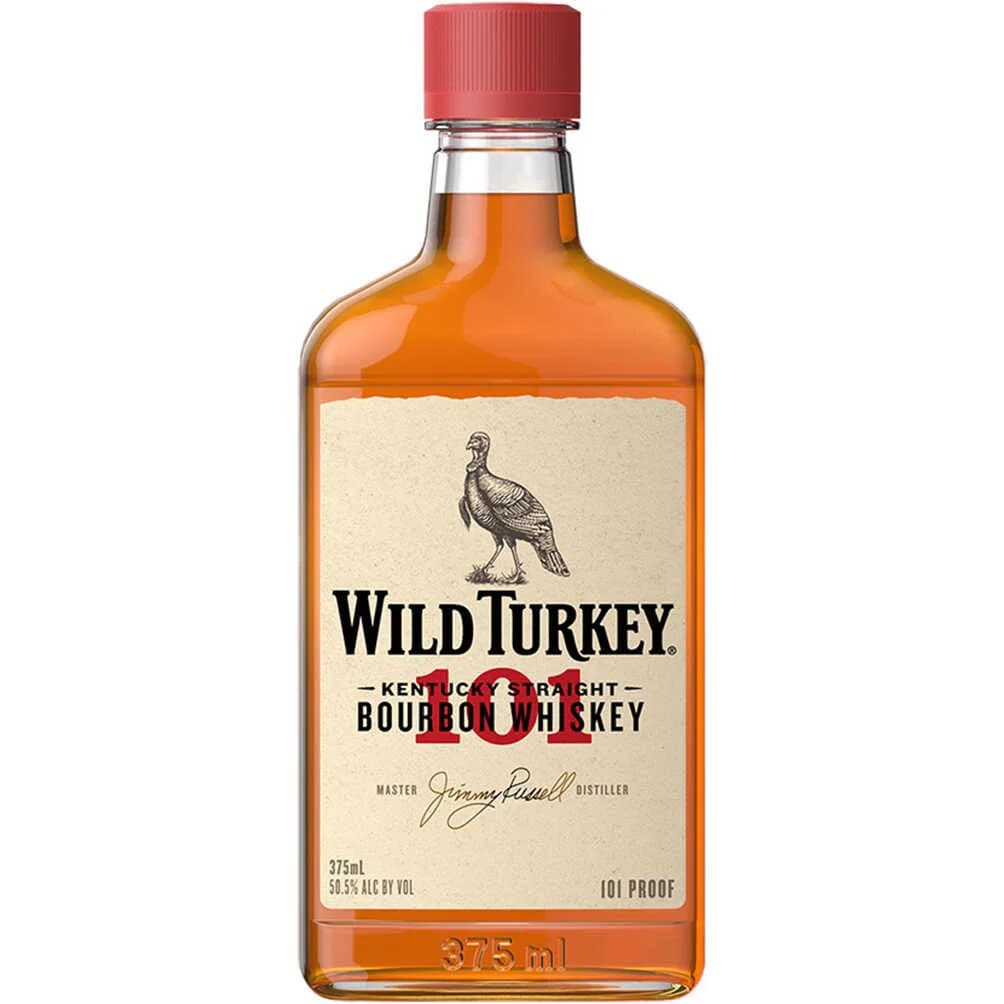
Wild Turkey 101
Suits: Brisket, sipping alongside smoky bark
Enough proof and rye spice to hold its own next to rendered brisket fat. Not the bottle for a delicate pairing.
Explore in Digital Dram catalog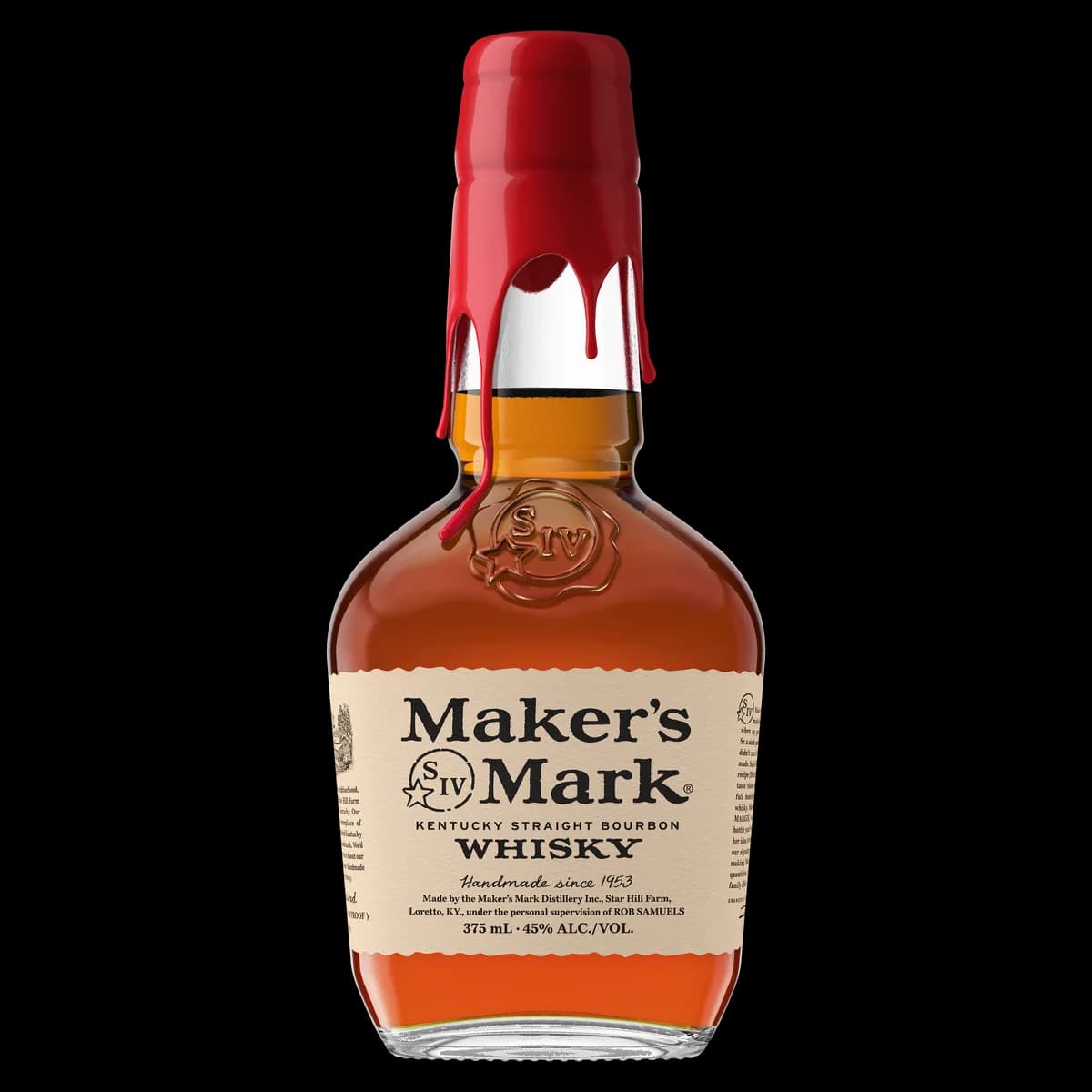
Maker's Mark
Suits: Pulled pork, sweeter glazes
Soft, caramel-forward profile that matches a brown sugar glaze instead of fighting it. Widely stocked, which matters more than usual over a holiday weekend.
Explore in Digital Dram catalog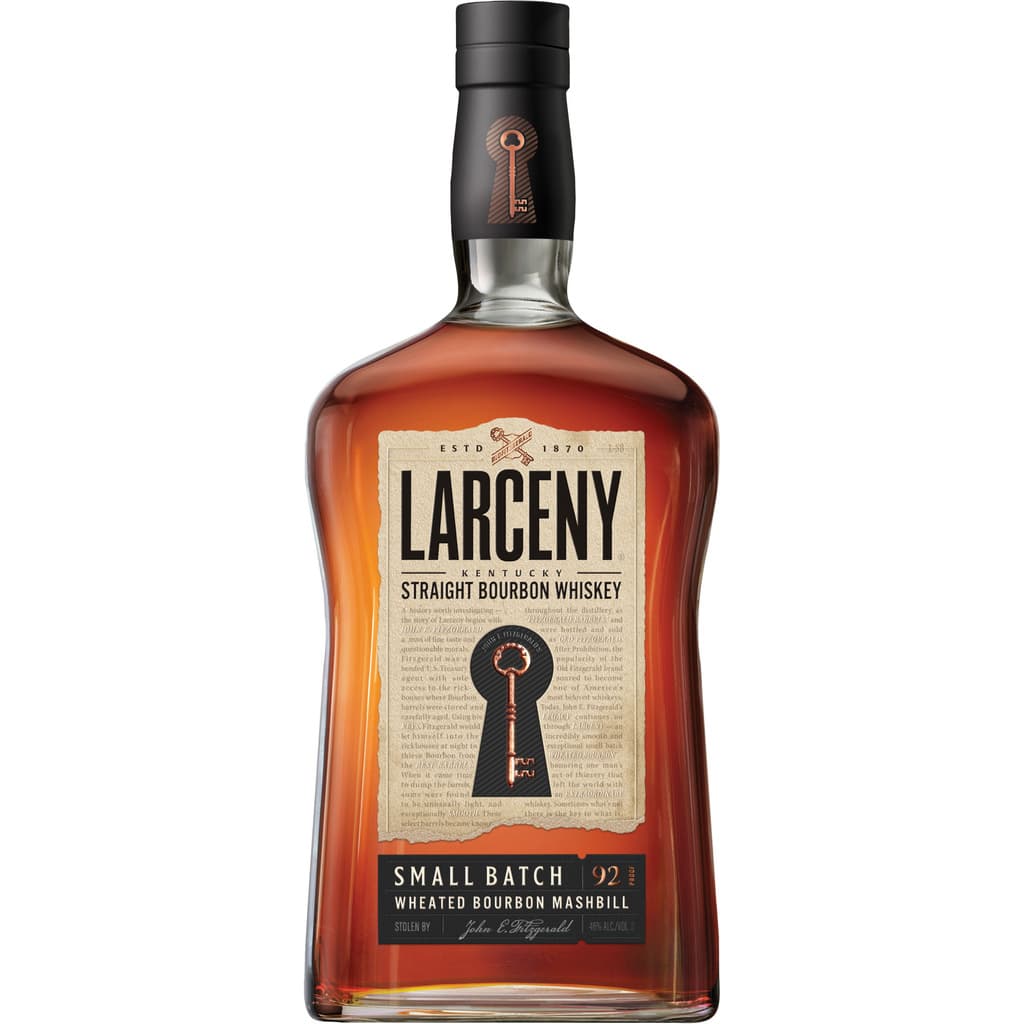
Larceny
Suits: Pulled pork, everyday pours
A step up in proof from Maker's Mark with a similar wheated softness. Priced to pour freely at a cookout without rationing it.
Explore in Digital Dram catalogFor the full pairing breakdown across brisket, ribs, pulled pork, and smoked chicken, Smoke and Char covers matching bourbon to what's on the plate glass by glass. This post is about the saucepan, not the pour.
When to Cook With Bourbon vs. Save It for Sipping
Cook with the $20-25 bottle. Save the allocated one for the glass.
That's not a compromise, it's the honest math of what heat does to flavor. Once bourbon hits a simmering saucepan of ketchup, brown sugar, and garlic, the barrel-specific details that separate a $60 bottle from a $25 one mostly disappear into the sauce. Vanilla and caramel notes carry through either way. The finish, the specific char level, the years in the barrel: none of that survives a 15-minute reduction with any distinction you'd notice blind.
Here's the part nobody likes admitting: a $60 bottle in a glaze tastes about the same as a $25 one once it's on the ribs. Save the Weller or the barrel-proof pick for a rocks glass, where you can actually taste what makes it different. Pour the everyday bottle into the saucepan instead.
Best Bottle Types for Cooking
An everyday bourbon in the 80-101 proof range works fine for glazes and marinades. Higher proof carries a little more flavor through the cooking process since there's simply more bourbon character per ounce before dilution, but it's a marginal difference, not a reason to reach for something rare.
Skip anything single barrel, barrel proof, or hard to find at your local store. Wasting an allocated pour on a saucepan is the kind of thing you notice a week later and regret. If a bottle only shows up on shelves once or twice a year, it belongs in a glass, not a marinade bag. If you're still hunting for one of those and haven't found it yet, a Watchlist alert is a better use of your time than checking three liquor stores a week on the off chance.
This is also where marking a bottle's role in My Cellar earns its keep: tag one as your "cooking" bottle and the rest of the shelf stays untouched for actual pours. Bourbon DNA can help sort out which bottle in your collection is the workhorse and which one deserves a rocks glass and your full attention.
Sort your shelf by role
Tag bottles as daily pours, special occasion, or cooking stock in My Cellar.
Open My CellarCook responsibly, sip responsibly. Both belong to adults 21 and over, and neither one requires the other. If you'd rather skip the stove entirely and just pour something good next to the smoker, that's a complete plan on its own.
Footnotes
-
Recipe adapted from What Should I Make For, "Bourbon BBQ Baby Back Ribs". ↩
-
Recipe adapted from Garlic & Zest, "Brown Sugar Bourbon Marinade". ↩
More in Guides
The Ultimate Bourbon Heritage Month Flight: 30 Days, 30 Drams
The full 30-bottle lineup for our Bourbon Heritage Month flight: one pour a day through September, from $20 bottled-in-bond workhorses to the fall unicorns, with four blind tasting weekends along the way.

Best Coastal Sipping Whiskeys for The Open
American whiskeys that match the coastal rhythm of links golf. Single malts and coastal-climate bourbons with real maritime provenance.
Bourbon vs Scotch: The Open Championship Debate
The Open is Scotch country, but the bourbon case is stronger than most golf fans realize. A side-by-side breakdown for links golf weekend.